 VeriMom
Is fucus vesiculosus extract safe during pregnancy?
Reviewed by VeriMom Editorial Team · Last reviewed
Pregnancy-Safe Ingredients Database — 28,000+ Ingredients Rated
fucus vesiculosus extract
LOW RISK87
/100
0
Pregnancy-safe products containing fucus vesiculosus extract
Larens
Larens Revital Shower Gel
89/100
ATTITUDE
Attitude Phyto Calm Face Cream
89/100
Serium Paris
Serium Paris Sérum Régénérant À La Spiruline
89/100
TOSOWOONG Arbutin 5% Whitening Cream - 50g
89/100
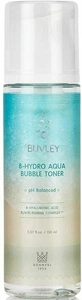
Buvley
Buvley 8-Hydro Aqua Bubble Toner
89/100
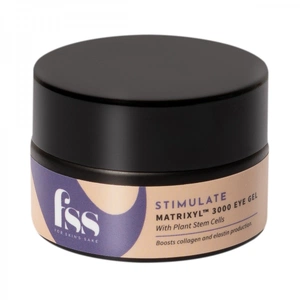
For Skin's Sake
For Skin's Sake Matrixyl 3000 Eye Gel
89/100
Melt Skincare
Melt Skincare Rejuvenating Eye Gel
89/100
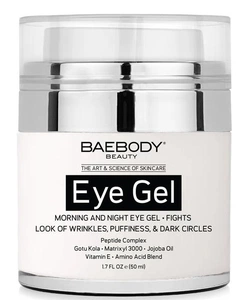
Baebody
Baebody Eye Gel (Discontinued)
89/100
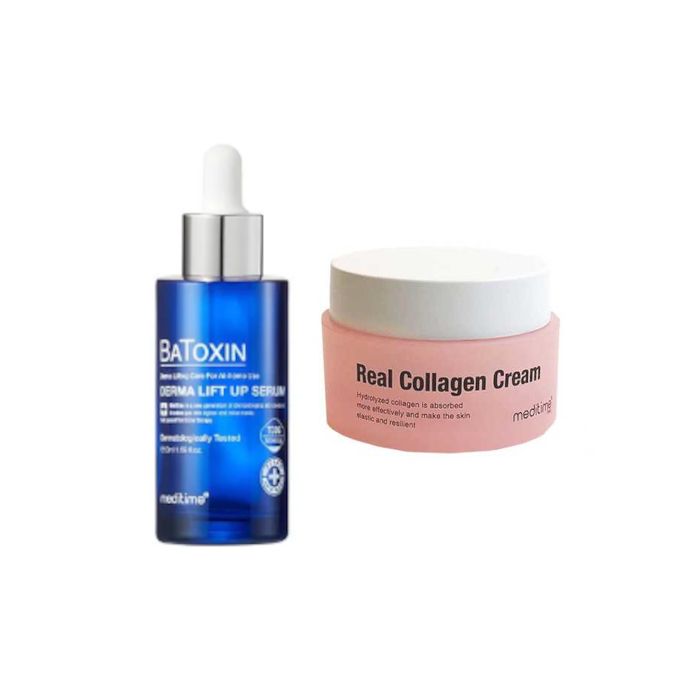
Meditime
Meditime Batoxin Derma Lift-Up Serum - 50ml + Real Collagen Cream - 50ml Set
89/100
Terre mere
Terre mere Intensive Brightening Eye Serum
89/100
Related ingredients
See also
Sources & references
Authoritative references used to score this ingredient.
Frequently asked questions
- Is fucus vesiculosus extract safe during pregnancy?
- No harmonised CLP classification or SCCS/CIR safety assessment indicating reproductive toxicity for Fucus vesiculosus extract; therefore default hazard = 0. Theoretical mechanism concern relates to seaweed-derived iodine (potential endocrine/thyroid effect) reported in the literature, but no demonstrated reproductive mechanism from topical cosmetic use (m=1). Topical cosmetic exposure is expected to be low but potentially measurable (e=1) rather than negligible. Sources: CosIng listing for Fucus vesiculosus extract, PubChem entry, PubMed literature on bladderwrack iodine content and systemic effects; no ECHA Annex VI harmonised classification nor SCCS/CIR repro flags.
- Is fucus vesiculosus extract safe while breastfeeding?
- No data or regulatory classification indicating reproductive or lactation hazards from topical Fucus vesiculosus extract (h=0). Theoretical endocrine concern (iodine content) could affect maternal thyroid function and thereby lactation indirectly, but this is speculative without topical absorption data (m=1). Exposure from topical cosmetic use is expected to be low but measurable (e=1). Sources: CosIng, PubChem, PubMed; no harmonised CLP entries in ECHA Annex VI or SCCS/CIR warnings.
- Is fucus vesiculosus extract safe for baby skin?
- No evidence of developmental or infant-specific reproductive toxicity from Fucus vesiculosus extract (h=0). Theoretical mechanism remains iodine-related endocrine effects (m=1) but infant-specific mechanistic data are lacking. Because infant skin has higher absorption/surface-area-to-weight, assigned exposure is increased to moderate (e=2) when used topically on infants if the ingredient is present and absorption is plausible. Sources: CosIng, PubChem, general PubMed literature on iodine in seaweeds and infant thyroid sensitivity; no harmonised ECHA classification or SCCS/CIR contraindication for infant topical use found.
- How does VeriMom score fucus vesiculosus extract?
- VeriMom scores fucus vesiculosus extract at 87/100 (low risk) based on EU CosIng status, ECHA hazard classifications, and peer-reviewed PubMed studies. Our scoring pipeline is fully transparent.
- What are pregnancy-safe alternatives to fucus vesiculosus extract?
- See our curated list of pregnancy-safe alternatives to fucus vesiculosus extract based on similar function and a no-known-risks safety band.
Check your own skincare
Paste any product's ingredient list into our free checker and see every ingredient scored against EU regulatory data and peer-reviewed research.
Open the pregnancy-safe ingredient checkerCheck every label in 2 seconds
Get VeriMom free — scan any product and see the pregnancy safety score instantly.
Medical Disclaimer
This information is for educational purposes only and does not constitute medical advice. Safety scores are based on publicly available data and may not reflect all risks. Always consult your healthcare provider before using any product during pregnancy or breastfeeding.