 VeriMom
Is sea salt safe during pregnancy?
Reviewed by VeriMom Editorial Team · Last reviewed
Pregnancy-Safe Ingredients Database — 28,000+ Ingredients Rated
sea salt
NO KNOWN RISKS100
/100
0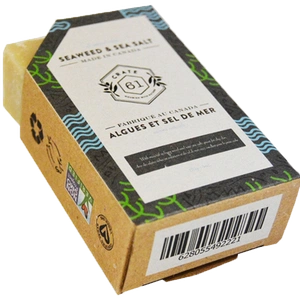
Pregnancy-safe products containing sea salt
Crate 61 Organics
Crate 61 Organics Seaweed And Sea Salt Soap
100/100
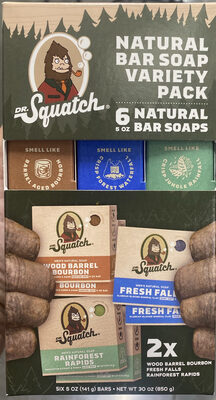
Dr. Squatch
Natural Bar Soap Variety Pack
100/100
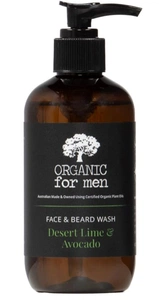
Organic for Men
Organic for Men Face & Beard Wash
100/100
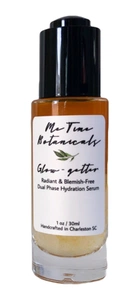
Me Time Botanicals
Me Time Botanicals Glow-Getter Radiant & Blemish Free Serum
100/100
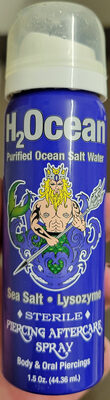
H2Ocean
H2Ocean
100/100
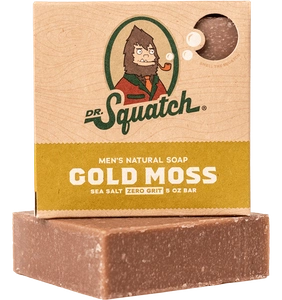
Dr. Squatch
Dr. Squatch Gold Moss
100/100
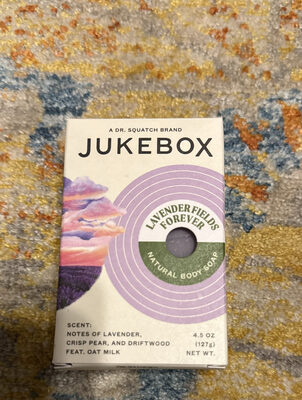
Dr. Squatch
Lavender Fields Forever
100/100
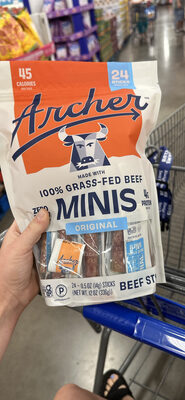
Archer
Minis Original Beef Sticks
100/100
cleansers
Dr. Bronner's
All-One Tea Tree Pure-Castile Bar Soap
100/100
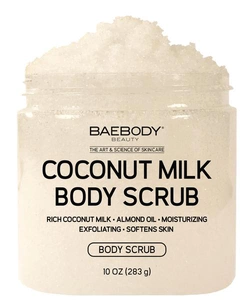
Baebody
Baebody Coconut Milk Body Scrub
100/100
Related ingredients
See also
Sources & references
Authoritative references used to score this ingredient.
Frequently asked questions
- Is sea salt safe during pregnancy?
- Sodium chloride (sea salt, CAS 7647-14-5) has no harmonised CLP reproductive classifications and no CIR/SCCS or peer‑reviewed evidence indicating reproductive or teratogenic effects; regulatory and toxicology sources treat it as an inert inorganic salt rather than a reproductive toxicant. Sources: ECHA brief profile and registration dossier, PubChem. (ECHA indicates no harmonised reproductive classification and typical C&L entries are for irritation only.)
- Is sea salt safe while breastfeeding?
- No evidence that topical sodium chloride causes reproductive or lactation toxicity or transfers into breastmilk after usual cosmetic topical use; systemic exposure from topical application is negligible. Regulatory dossiers and general toxicology summaries list no reproductive/lactation hazards. (See ECHA, PubChem.)
- Is sea salt safe for baby skin?
- Hazard and mechanism: no infant‑specific reproductive/toxic mechanism identified. Exposure: increase of +1 for baby skin because infant skin has an immature barrier and higher surface‑area‑to‑weight; while NaCl is not highly skin‑penetrating, topical contact (esp. in high concentrations or on compromised skin) can cause irritation and greater relative systemic uptake in infants than adults. Sources: ECHA brief profile, PubChem, EWG notes on use/irritation potential.
- How does VeriMom score sea salt?
- VeriMom scores sea salt at 100/100 (no known risks) based on EU CosIng status, ECHA hazard classifications, and peer-reviewed PubMed studies. Our scoring pipeline is fully transparent.
- What are pregnancy-safe alternatives to sea salt?
- See our curated list of pregnancy-safe alternatives to sea salt based on similar function and a no-known-risks safety band.
Check your own skincare
Paste any product's ingredient list into our free checker and see every ingredient scored against EU regulatory data and peer-reviewed research.
Open the pregnancy-safe ingredient checkerCheck every label in 2 seconds
Get VeriMom free — scan any product and see the pregnancy safety score instantly.
Medical Disclaimer
This information is for educational purposes only and does not constitute medical advice. Safety scores are based on publicly available data and may not reflect all risks. Always consult your healthcare provider before using any product during pregnancy or breastfeeding.