 VeriMom
c14-22 alcohols은 임신 중 안전한가요?
Reviewed by VeriMom Editorial Team · Last reviewed
성분
c14-22 alcohols
알려진 위험 없음93
/100
0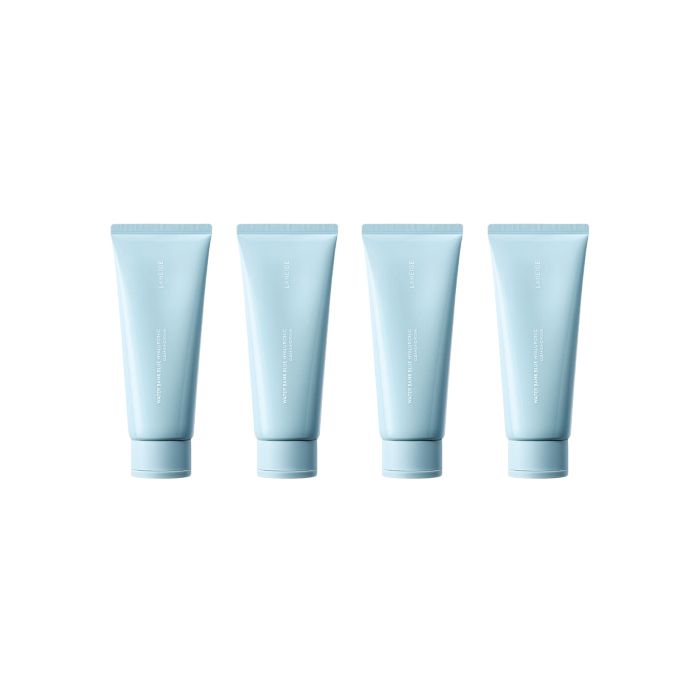
Pregnancy-safe products containing c14-22 alcohols
Laneige
LANEIGE Water Bank Blue Hyaluronic Cleansing Foam - 30g (4ea)
99/100
Laneige
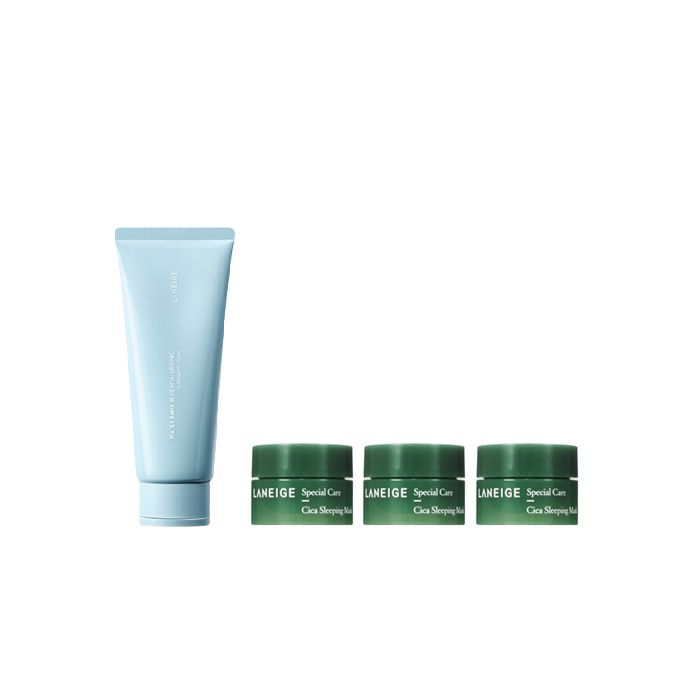
LANEIGE Water Bank Blue Hyaluronic Cleansing Foam - 150g (1ea) + Cica Sleeping Mask 10ml (3ea) Set
99/100
LANEIGE Water Bank Blue Hyaluronic Cream For Combination To Oily Skin - 10ml
99/100
Laneige
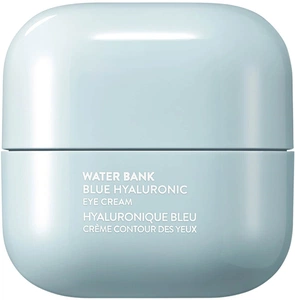
LANEIGE Water Bank Blue Hyaluronic Eye Cream
99/100
Laneige
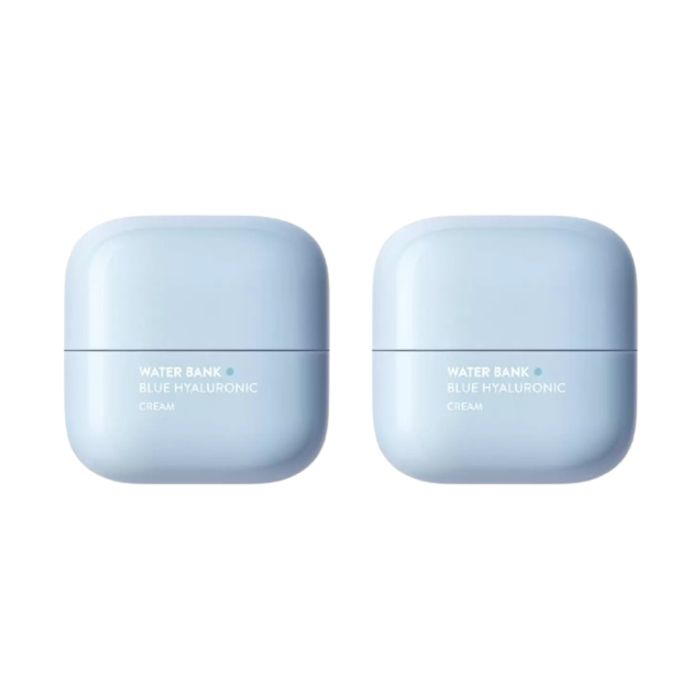
LANEIGE Water Bank Blue Hyaluronic Moisture Cream - 50ml (2ea) Set
99/100
Laneige
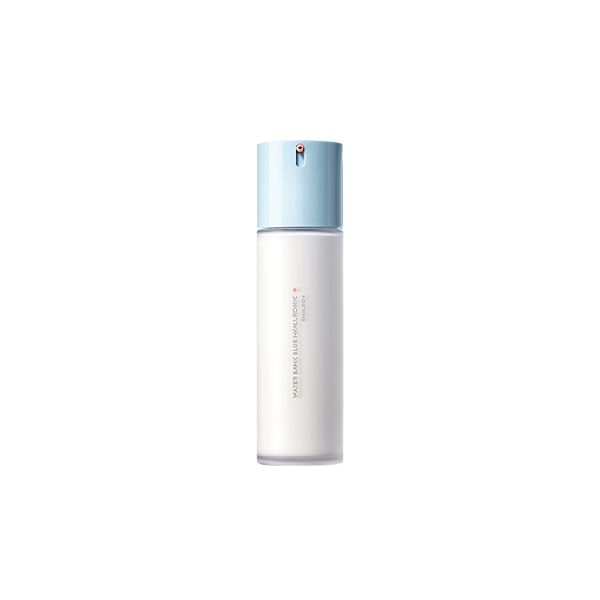
LANEIGE Water Bank Blue Hyaluronic Emulsion For Normal To Dry Skin - 120ml
99/100
BERRISOM
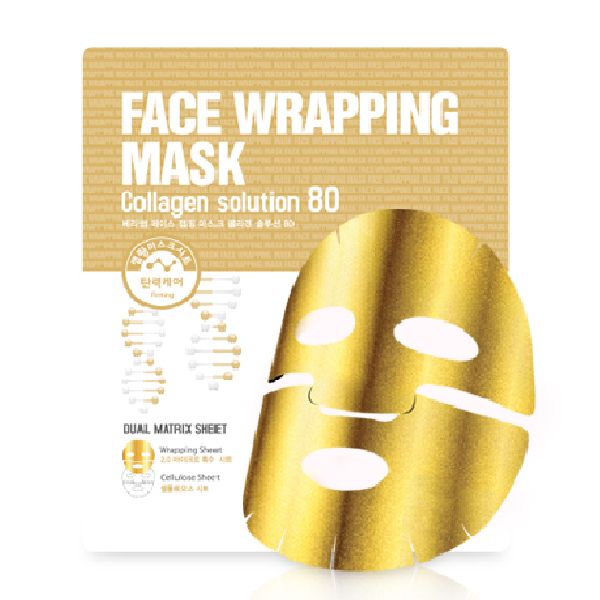
Berrisom Face Wrapping Mask - Collagen Solution 80
99/100
Laneige
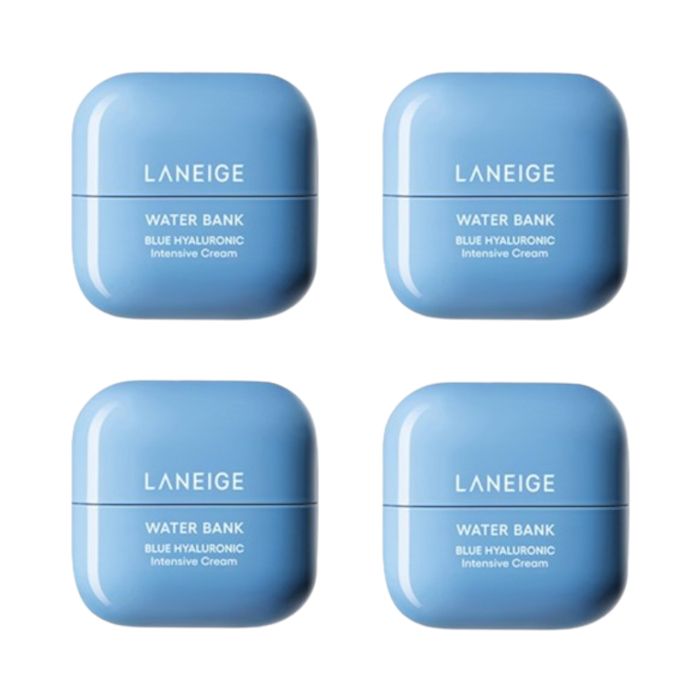
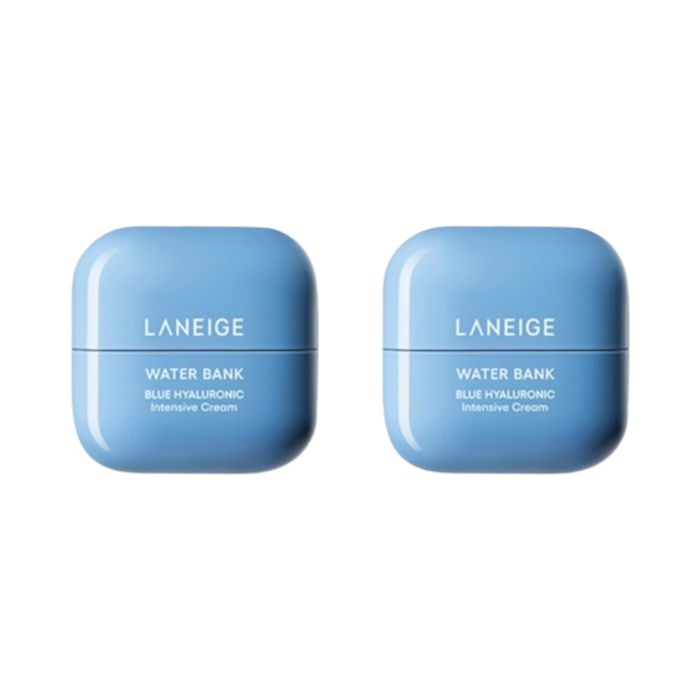
LANEIGE Water Bank Blue Hyaluronic Intensive Cream - 50ml (4ea) Set
99/100
Laneige
LANEIGE Water Bank Blue Hyaluronic Intensive Cream - 50ml (2ea) Set
99/100
LANEIGE Water Bank Blue Hyaluronic Serum - 50ml
99/100
Related ingredients
더 보기
Sources & references
Authoritative references used to score this ingredient.
Frequently asked questions
- c14-22 alcohols은 임신 중 안전한가요?
- C14-22 alcohols are mixtures of long‑chain (fatty) primary alcohols (e.g., myristyl, cetyl, stearyl, behenyl). Cosmetic safety reviews (CIR) for individual long‑chain fatty alcohols (cetyl, stearyl, myristyl, behenyl, cetearyl mixtures) concluded they are safe in current cosmetic use and found no reproductive or teratogenic hazard; no harmonised reproductive classifications (H360/H361) were identified for the C14–C22 fatty alcohol group in ECHA’s public substance pages. Dermal absorption of long‑chain fatty alcohols is low, so systemic exposure from topical cosmetic use is low but measurable. (Sources: CIR ingredient pages; ECHA substance information; PubMed reproductive studies for behenyl/long‑chain alcohols).
- c14-22 alcohols은 모유 수유 중 안전한가요?
- There is no evidence from CIR reviews or peer‑reviewed studies that long‑chain fatty alcohols cause reproductive or lactation toxicity; they are not identified as developmental or lactation hazards in available dossiers. Topical use would give low systemic exposure and therefore low likelihood of transfer into breastmilk under usual cosmetic use conditions. (Sources: CIR, ECHA registration summaries, PubMed).
- c14-22 alcohols은 아기 피부에 안전한가요?
- No infant‑specific reproductive/safety hazards were identified in CIR or the peer‑reviewed literature for C14–C22 fatty alcohols; CIR conclusions for cetyl/stearyl/behenyl/myristyl indicate 'safe as used'. However immature infant skin has higher per‑kg exposure and increased permeability; given low but measurable dermal absorption in adults I increase the exposure score for babies by +1 (adult e=1 → baby e=2). There is no infant‑specific evidence to change hazard (h) or mechanism (m). (Sources: CIR reviews; PubMed studies; ECHA registration/draft assessments; EWG ingredient listing).
- VeriMom은 c14-22 alcohols을 어떻게 평가하나요?
- VeriMom은 EU CosIng, ECHA 분류, PubMed 연구를 기반으로 c14-22 alcohols을 93/100 (알려진 위험 없음)로 평가합니다.
- 임신 중 c14-22 alcohols 대체 안전 성분은?
- 유사한 기능을 가진 알려진 위험이 없는 대체 성분 목록을 확인하세요.
내 화장품을 직접 확인하세요
제품의 전성분 목록을 무료 검사기에 붙여넣으면 EU 규제 데이터와 동료 심사 연구를 바탕으로 각 성분의 점수를 확인할 수 있습니다.
임신 중 안전 성분 검사기 열기모든 성분표를 2초 만에 확인
VeriMom 무료 다운로드 — 어떤 제품이든 스캔해 임신 중 안전 점수를 즉시 확인하세요.
의료 면책 조항
이 정보는 교육 목적으로만 제공되며 의학적 조언을 구성하지 않습니다. 안전 점수는 공개적으로 이용 가능한 데이터를 기반으로 하며 모든 위험을 반영하지 않을 수 있습니다. 임신 중 또는 수유 중 제품을 사용하기 전에 항상 의료 전문가와 상담하십시오.