 VeriMom
Ist hydrogenated styrene/methylstyrene/indene copolymer in der Schwangerschaft sicher?
No harmonised CLP reproductive classification or SCCS/CIR safety assessment found for this specific hydrogenated copolymer (CosIng/PubChem list as cosmetic polymer). The only concern is theoretical/class‑based due to parent monomers (styrene/indene) which have toxicology at sufficient exposures; no animal or human reproductive data for the hydrogenated polymer itself were identified. Expected negligible dermal absorption for a high‑MW hydrogenated polymer used topically, so exposure is minimal (sources: CosIng listing, PubChem; no ECHA Annex VI harmonised classification).
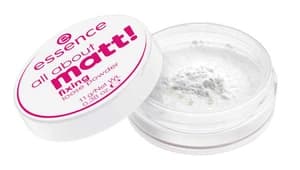
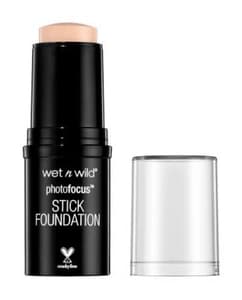
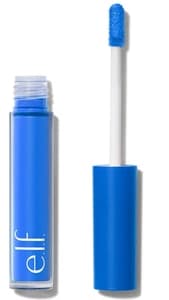
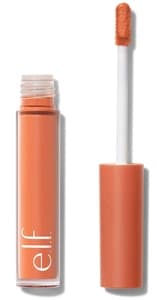
Pregnancy-safe products containing hydrogenated styrene/methylstyrene/indene copolymer





Related ingredients
Frequently asked questions
- Ist hydrogenated styrene/methylstyrene/indene copolymer in der Schwangerschaft sicher?
- No harmonised CLP reproductive classification or SCCS/CIR safety assessment found for this specific hydrogenated copolymer (CosIng/PubChem list as cosmetic polymer). The only concern is theoretical/class‑based due to parent monomers (styrene/indene) which have toxicology at sufficient exposures; no animal or human reproductive data for the hydrogenated polymer itself were identified. Expected negligible dermal absorption for a high‑MW hydrogenated polymer used topically, so exposure is minimal (sources: CosIng listing, PubChem; no ECHA Annex VI harmonised classification).
- Ist hydrogenated styrene/methylstyrene/indene copolymer während des Stillens sicher?
- Same rationale as pregnancy: no specific data showing transfer in milk or reproductive organ toxicity for the polymer. Theoretical concern is from residual low‑molecular monomer content rather than the polymer itself; no evidence of lactation transfer for the intact polymer and dermal absorption is expected to be negligible.
- Ist hydrogenated styrene/methylstyrene/indene copolymer sicher für Babyhaut?
- Hazard/mechanistic scores remain theoretical only (parent monomer concern). Exposure score increased by +1 for infants because baby skin has higher permeability; although the polymer itself is high‑MW and poorly absorbed, immature barrier means low but measurable exposure to any non‑fully bound residual monomers is plausible. No infant‑specific toxicity data were identified.
- Wie bewertet VeriMom hydrogenated styrene/methylstyrene/indene copolymer?
- VeriMom bewertet hydrogenated styrene/methylstyrene/indene copolymer mit 73/100 (geringes Risiko) basierend auf EU CosIng, ECHA-Klassifizierungen und PubMed-Studien.
- Was sind schwangerschaftssichere Alternativen zu hydrogenated styrene/methylstyrene/indene copolymer?
- Siehe unsere kuratierte Liste der schwangerschaftssicheren Alternativen zu hydrogenated styrene/methylstyrene/indene copolymer basierend auf ähnlicher Funktion.
Prüfe jede Zutatenliste in 2 Sekunden
Lade VeriMom kostenlos — scanne jedes Produkt und sieh sofort die Schwangerschafts-Sicherheitsbewertung.
Medizinischer Haftungsausschluss
Diese Informationen dienen ausschließlich Bildungszwecken und stellen keine medizinische Beratung dar. Sicherheitsbewertungen basieren auf öffentlich zugänglichen Daten und spiegeln möglicherweise nicht alle Risiken wider. Konsultieren Sie immer Ihren Arzt, bevor Sie ein Produkt während der Schwangerschaft oder Stillzeit verwenden.