 VeriMom
Ist benzophenone-4 in der Schwangerschaft sicher?
Reviewed by VeriMom Editorial Team · Last reviewed
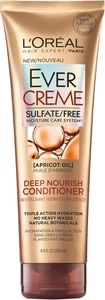
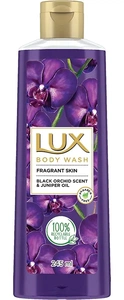
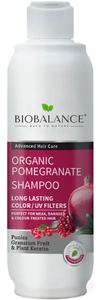
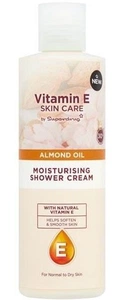
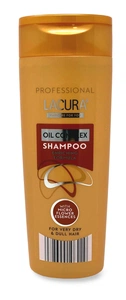
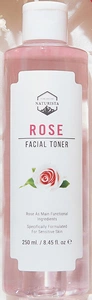
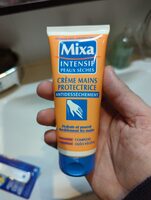
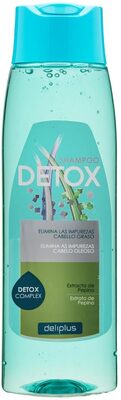
Pregnancy-safe products containing benzophenone-4
Related ingredients
Weiterlesen
Sources & references
Authoritative references used to score this ingredient.
Frequently asked questions
- Ist benzophenone-4 in der Schwangerschaft sicher?
- The SCCS (final opinion adopted 27 Mar 2024) concluded benzophenone‑4 is safe as a cosmetic UV filter up to 5% while noting concerns about potential endocrine‑disrupting properties; there is no harmonised CLP reproductive classification (H361/H360) for BP‑4. CIR’s amended benzophenones review compiles toxicology and biomonitoring data but does not identify BP‑4 as a confirmed reproductive teratogen. These authoritative assessments support hazard = 0, but documented in vitro/alternate endocrine signals reported for benzophenone family members justify a limited mechanistic concern (m=1). Dermal absorption is measurable but relatively low (BP‑4 is water‑soluble with low log Kow ~0.37); SCCS exposure assessment underlies the 5% limit, so exposure = 1 (low but measurable).
- Ist benzophenone-4 während des Stillens sicher?
- No authoritative agency (SCCS/CIR/ECHA) lists BP‑4 as a reproductive or lactation hazard; biomonitoring literature for benzophenones documents maternal exposure and detection in biological matrices for some benzophenones (most data are for BP‑3), but direct evidence of adverse effects in breastfeeding infants from BP‑4 is lacking. Mechanistic signals for endocrine activity in the benzophenone class justify a low theoretical mechanism score (m=1). Expected transfer to breast milk appears low/limited for BP‑4 specifically, so exposure = 1 (low but measurable).
- Ist benzophenone-4 sicher für Babyhaut?
- There is no high‑level evidence (harmonised CLP H361/H360 or human developmental toxicity) implicating BP‑4 as a reproductive/teratogenic hazard; therefore hazard = 0. Mechanistic concern remains theoretical (m=1) based on class signals. Because infant skin has higher permeability and the ingredient has measurable dermal absorption in adults, exposure is increased by +1 for infants (adult e=1 → baby e=2).
- Wie bewertet VeriMom benzophenone-4?
- VeriMom bewertet benzophenone-4 mit 87/100 (geringes Risiko) basierend auf EU CosIng, ECHA-Klassifizierungen und PubMed-Studien.
- Was sind schwangerschaftssichere Alternativen zu benzophenone-4?
- Siehe unsere kuratierte Liste der schwangerschaftssicheren Alternativen zu benzophenone-4 basierend auf ähnlicher Funktion.
Prüfe deine eigene Hautpflege
Füge die Inhaltsstoffliste eines beliebigen Produkts in unseren kostenlosen Checker ein und sieh jeden Inhaltsstoff anhand von EU-Regulierungsdaten und begutachteter Forschung bewertet.
Den Inhaltsstoff-Checker für die Schwangerschaft öffnenPrüfe jede Zutatenliste in 2 Sekunden
Lade VeriMom kostenlos — scanne jedes Produkt und sieh sofort die Schwangerschafts-Sicherheitsbewertung.
Medizinischer Haftungsausschluss
Diese Informationen dienen ausschließlich Bildungszwecken und stellen keine medizinische Beratung dar. Sicherheitsbewertungen basieren auf öffentlich zugänglichen Daten und spiegeln möglicherweise nicht alle Risiken wider. Konsultieren Sie immer Ihren Arzt, bevor Sie ein Produkt während der Schwangerschaft oder Stillzeit verwenden.