 VeriMom
Is tetrapeptide-26 safe during pregnancy?
Reviewed by VeriMom Editorial Team · Last reviewed
Pregnancy-Safe Ingredients Database — 28,000+ Ingredients Rated
tetrapeptide-26
NO KNOWN RISKS100
/100
0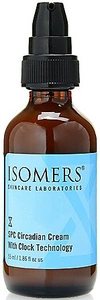
Pregnancy-safe products containing tetrapeptide-26
Isomers
Isomers Spc Circadian Cream With Clock Technology
99/100
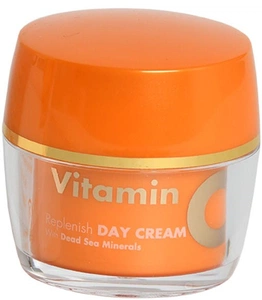
SPA Cosmetics
SPA Cosmetics Vitamin C Replenish Night Cream With Dead Sea Minerals
98/100
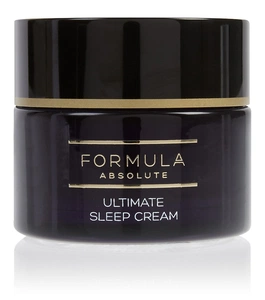
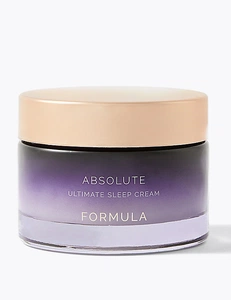
Marks & Spencers Formula
Marks & Spencers Formula Absolute Ultimate Sleep Cream
85/100
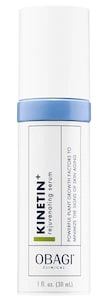
Obagi
Obagi Kinetin+ Rejuvenating Serum
84/100
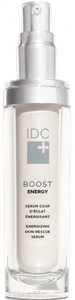
IDC
IDC Boost Energy
82/100
Marks & Spencers Formula
Marks & Spencers Formula Absolute Sleep Cream With CBD Oil
73/100
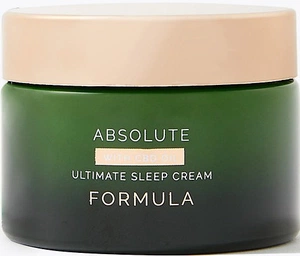
M&S Formula
M&S Formula Ultimate Sleep Cream
73/100
Related ingredients
See also
Sources & references
Authoritative references used to score this ingredient.
Frequently asked questions
- Is tetrapeptide-26 safe during pregnancy?
- No harmonised CLP classification (ECHA Annex VI) or SCCS/CIR safety assessment listing reproductive or developmental hazard for tetrapeptide-26. No peer-reviewed evidence of reproductive toxicity or teratogenicity located in available regulatory/authoritative sources; peptides of this type are generally assessed case-by-case and, in the absence of specific signals, default to no evidence of reproductive hazard. Sources: ECHA Annex VI (no entry), SCCS/CIR (no assessment), PubMed (no reproductive toxicity studies identified), CosIng/EWG (ingredient listings without reproductive flags).
- Is tetrapeptide-26 safe while breastfeeding?
- No data indicating lactation or breast‑milk transfer or effects on nursing infants. No harmonised classification or authoritative safety assessment raising concerns. Given peptide chemical nature and topical cosmetic use, there is no evidence for breastfeeding-specific hazard in the consulted regulatory sources.
- Is tetrapeptide-26 safe for baby skin?
- No hazard or mechanistic reproductive/endocrine concerns identified. Exposure score increased to 1 for baby skin (vs adult 0) because baby/infant skin has an immature barrier and higher surface-area-to-weight ratio; while tetrapeptides are generally of low permeability, measurable percutaneous absorption cannot be excluded for infants, so exposure is considered low but non‑negligible. No infant‑specific toxicity data were identified.
- How does VeriMom score tetrapeptide-26?
- VeriMom scores tetrapeptide-26 at 100/100 (no known risks) based on EU CosIng status, ECHA hazard classifications, and peer-reviewed PubMed studies. Our scoring pipeline is fully transparent.
- What are pregnancy-safe alternatives to tetrapeptide-26?
- See our curated list of pregnancy-safe alternatives to tetrapeptide-26 based on similar function and a no-known-risks safety band.
Check your own skincare
Paste any product's ingredient list into our free checker and see every ingredient scored against EU regulatory data and peer-reviewed research.
Open the pregnancy-safe ingredient checkerCheck every label in 2 seconds
Get VeriMom free — scan any product and see the pregnancy safety score instantly.
Medical Disclaimer
This information is for educational purposes only and does not constitute medical advice. Safety scores are based on publicly available data and may not reflect all risks. Always consult your healthcare provider before using any product during pregnancy or breastfeeding.