 VeriMom
Is salvia officinalis leaf powder safe during pregnancy?
No harmonised reproductive/teratogenic classification in ECHA Annex VI, and no CIR or SCCS safety assessment identifying reproductive hazard for Salvia officinalis leaf powder. Available cosmetic/regulatory sources (CosIng, PubChem) list it as a botanical/food herb but do not carry H360/H361 statements; peer‑reviewed literature does not provide robust in vivo reproductive toxicity data for the powdered leaf in topical cosmetic use, so default ‘no evidence of hazard’ applies.
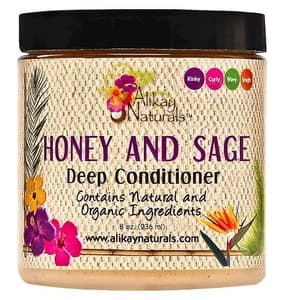
Pregnancy-safe products containing salvia officinalis leaf powder
Related ingredients
Frequently asked questions
- Is salvia officinalis leaf powder safe during pregnancy?
- No harmonised reproductive/teratogenic classification in ECHA Annex VI, and no CIR or SCCS safety assessment identifying reproductive hazard for Salvia officinalis leaf powder. Available cosmetic/regulatory sources (CosIng, PubChem) list it as a botanical/food herb but do not carry H360/H361 statements; peer‑reviewed literature does not provide robust in vivo reproductive toxicity data for the powdered leaf in topical cosmetic use, so default ‘no evidence of hazard’ applies.
- Is salvia officinalis leaf powder safe while breastfeeding?
- No specific data or regulatory classification indicating reproductive or lactation transfer risk for topical use of Salvia officinalis leaf powder. No harmonised ECHA classification or CIR/SCCS restriction was found; systemic exposure from normal topical cosmetic use is expected to be negligible.
- Is salvia officinalis leaf powder safe for baby skin?
- Hazard and mechanism: no direct evidence of reproductive or developmental toxicity from topical cosmetic use of the leaf powder. Exposure: while adult topical absorption is expected to be negligible for a plant powder (adult e=0), infant/0–3 yr skin has higher permeability and surface‑area‑to‑weight ratio, so exposure rating is increased by +1 to reflect measurable but still low potential absorption. Note: volatile constituents of Salvia (e.g., thujone in some sage chemotypes) could theoretically raise concern if present at high concentrations, but standard cosmetic use of the powdered leaf shows no regulatory reproductive flags.
- How does VeriMom score salvia officinalis leaf powder?
- VeriMom scores salvia officinalis leaf powder at 100/100 (no known risks) based on EU CosIng status, ECHA hazard classifications, and peer-reviewed PubMed studies. Our scoring pipeline is fully transparent.
- What are pregnancy-safe alternatives to salvia officinalis leaf powder?
- See our curated list of pregnancy-safe alternatives to salvia officinalis leaf powder based on similar function and a no-known-risks safety band.
Check every label in 2 seconds
Get VeriMom free — scan any product and see the pregnancy safety score instantly.
Medical Disclaimer
This information is for educational purposes only and does not constitute medical advice. Safety scores are based on publicly available data and may not reflect all risks. Always consult your healthcare provider before using any product during pregnancy or breastfeeding.