 VeriMom
Is raspberry ketone safe during pregnancy?
Reviewed by VeriMom Editorial Team · Last reviewed
Pregnancy-Safe Ingredients Database — 28,000+ Ingredients Rated
raspberry ketone
NO KNOWN RISKS93
/100
0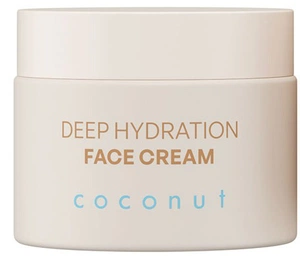
Pregnancy-safe products containing raspberry ketone
Nacomi
Nacomi Face Cream Deep Hydration
99/100
The saem
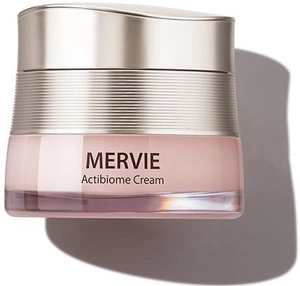
The Saem Mervie Actibiome Cream
99/100
Nacific
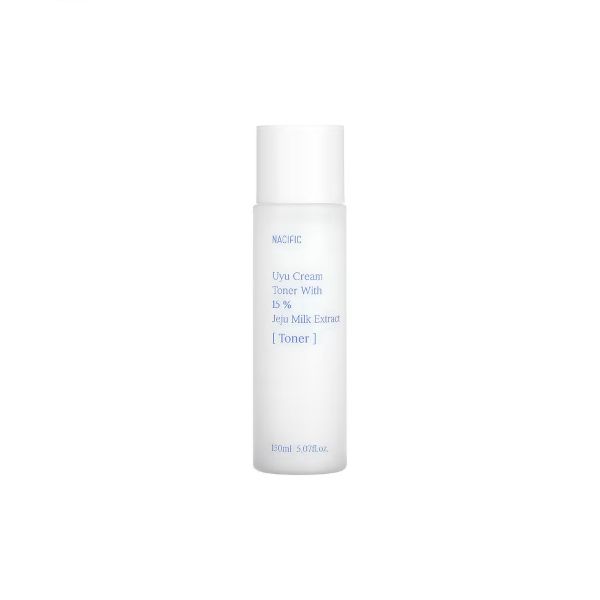
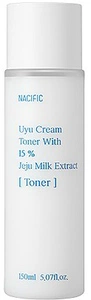
Nacific Uyu Cream Toner - 150ml
98/100
henkel
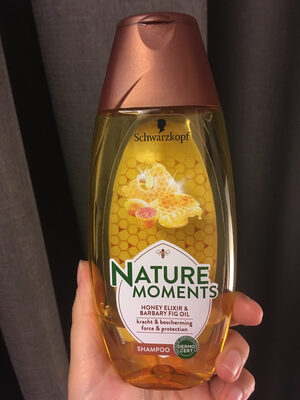
Nature moments
98/100
Milk Touch
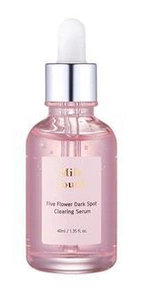
Milk Touch Five Flower Dark Spot Clearing Serum
98/100
MZ Skin
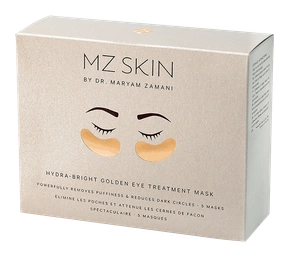
MZ Skin Hydra-bright Golden Eye Mask
98/100
Nacific
Nacific Uyu Cream Toner
98/100
Nacomi
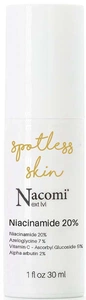
Nacomi Niacynamide 20%
98/100
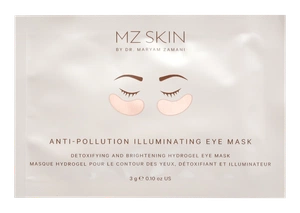
MZ Skin
MZ Skin Anti-pollution Illuminating Eye Mask
98/100
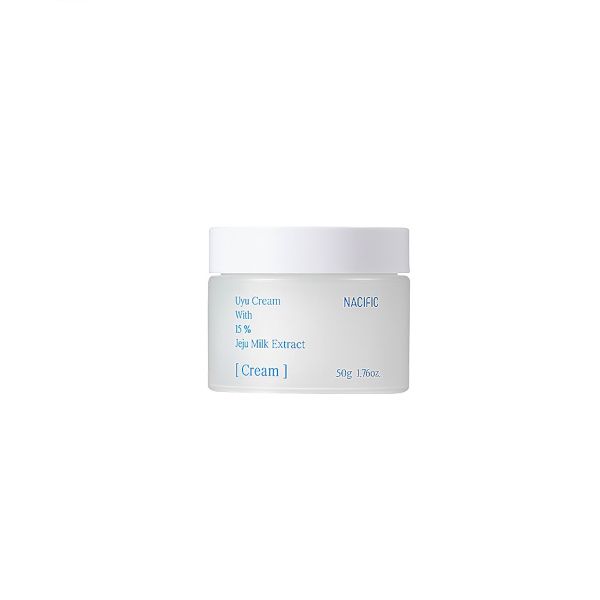
Nacific
Nacific Uyu Cream - 50G
98/100
Related ingredients
See also
Sources & references
Authoritative references used to score this ingredient.
Frequently asked questions
- Is raspberry ketone safe during pregnancy?
- No harmonised classification for reproductive toxicity (ECHA Annex VI) and no CIR or SCCS safety assessment identifying reproductive hazard. PubChem and ECHA registration dossiers list toxicology data but do not indicate confirmed reproductive effects; peer‑reviewed literature shows no clear in vivo developmental/teratogenic signal at relevant cosmetic exposures. Dermal absorption is plausible (low but measurable) based on physicochemical properties (small MW, moderate logP), so exposure is non‑negligible for topical use (sources: ECHA registration dossiers, PubChem, PubMed).
- Is raspberry ketone safe while breastfeeding?
- No evidence of reproductive or lactation-specific toxicity in regulatory dossiers or the literature; no harmonised H361/H360 flags. Given low but measurable dermal absorption and potential for systemic availability, minimal maternal exposure could theoretically lead to transfer into milk, but no data document this for raspberry ketone (sources: ECHA registration dossiers, PubMed, PubChem).
- Is raspberry ketone safe for baby skin?
- No infant‑specific reproductive or developmental toxicity data and no regulatory reproductive classification. Because raspberry ketone is a small, moderately lipophilic molecule with measurable dermal absorption in adults, exposure via application to infant skin is expected to be higher (immature barrier, higher surface area‑to‑weight); therefore exposure score is increased by +1 relative to adults (sources: PubChem, ECHA registration dossiers, CosIng, EWG summaries).
- How does VeriMom score raspberry ketone?
- VeriMom scores raspberry ketone at 93/100 (no known risks) based on EU CosIng status, ECHA hazard classifications, and peer-reviewed PubMed studies. Our scoring pipeline is fully transparent.
- What are pregnancy-safe alternatives to raspberry ketone?
- See our curated list of pregnancy-safe alternatives to raspberry ketone based on similar function and a no-known-risks safety band.
Check your own skincare
Paste any product's ingredient list into our free checker and see every ingredient scored against EU regulatory data and peer-reviewed research.
Open the pregnancy-safe ingredient checkerCheck every label in 2 seconds
Get VeriMom free — scan any product and see the pregnancy safety score instantly.
Medical Disclaimer
This information is for educational purposes only and does not constitute medical advice. Safety scores are based on publicly available data and may not reflect all risks. Always consult your healthcare provider before using any product during pregnancy or breastfeeding.