 VeriMom
Is pyridoxine safe during pregnancy?
Reviewed by VeriMom Editorial Team · Last reviewed
Pregnancy-Safe Ingredients Database — 28,000+ Ingredients Rated
pyridoxine
NO KNOWN RISKS100
/100
0
Pregnancy-safe products containing pyridoxine
By Ecom
By Ecom Spot Eraser Vita Cream
98/100
Tirtir
TIRTIR Collagen Core Glow Essence - 120ml
98/100
E Nature
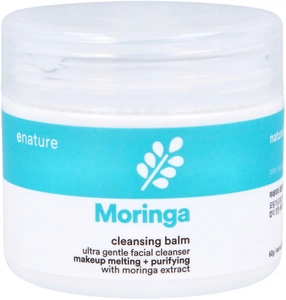
E Nature Moringa Cleansing Oil
98/100
TIRTIR Collagen Core Glow Essence - 120ml
98/100
OGETi
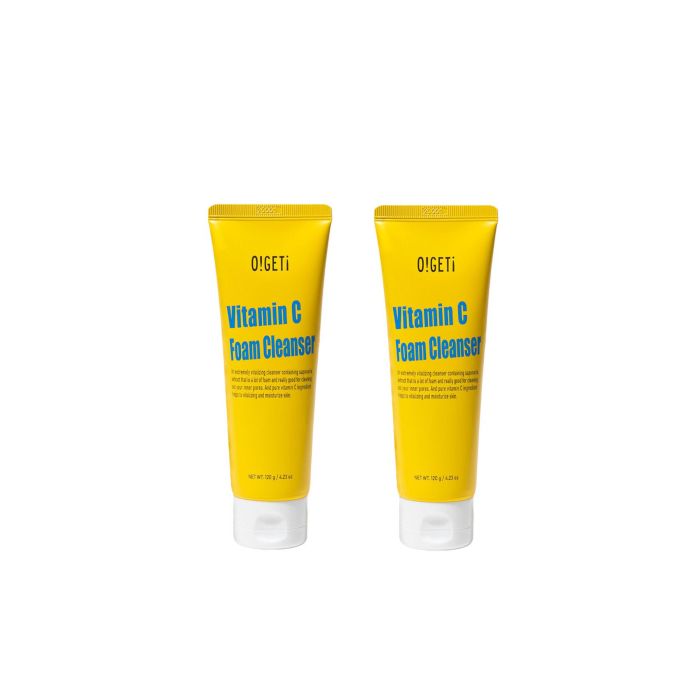
OGETi Vitamin C Foam Cleanser - 120g (2ea) Set
98/100
Tirtir
Tirtir Collagen Core Glow Essence
98/100
E Nature
E Nature Moringa Cleansing Balm
98/100
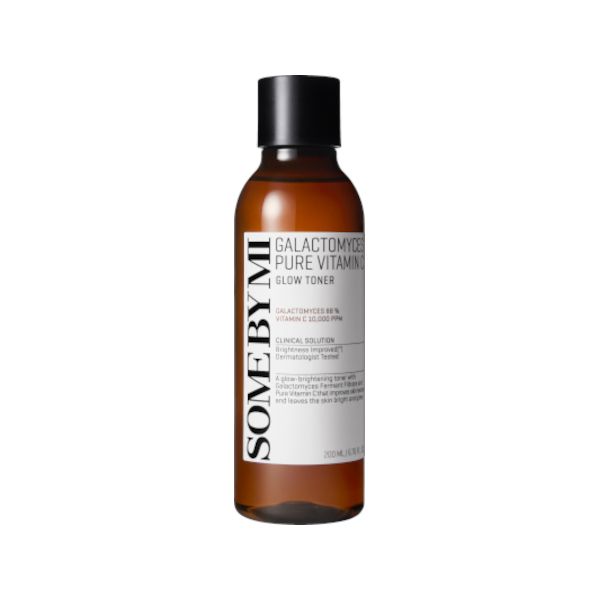
SOME BY MI Galactomyces Pure Vitamin C Glow Toner - 200ml
98/100
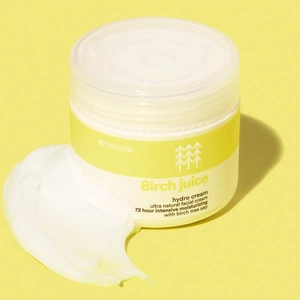
E Nature
E Nature Birch Juice Hydro Cream
98/100
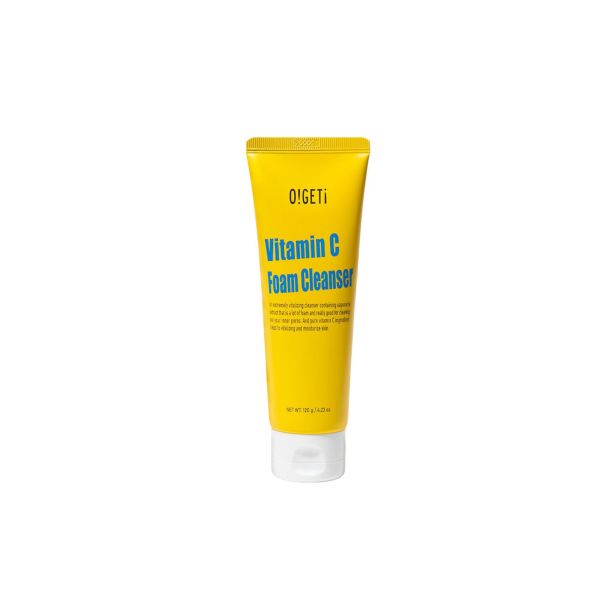
OGETi
OGETi Vitamin C Foam Cleanser - 120g
98/100
Related ingredients
See also
Sources & references
Authoritative references used to score this ingredient.
Frequently asked questions
- Is pyridoxine safe during pregnancy?
- Pyridoxine (vitamin B6, CAS 65-23-6) is an essential nutrient with no harmonised ECHA reproductive hazard classification; regulatory and toxicology dossiers (ECHA/REACH) do not list CLP reproductive classifications and EFSA/feeding-additive opinions consider pyridoxine safe at authorised use levels. Clinical/toxicology literature shows safety at normal nutritional doses; adverse outcomes reported are from high oral supplement doses, not topical cosmetic use. (ECHA registration; EFSA; LactMed).
- Is pyridoxine safe while breastfeeding?
- Pyridoxine is present normally in human milk and LactMed/clinical guidance describe it as a commonly used vitamin in pregnancy/lactation with established dietary reference intakes; reported neonatal adverse events are associated with excessive maternal oral supplementation, not with routine topical cosmetic application. No harmonised CLP reproductive flags or CIR/SCCS unsafe rulings were identified. (LactMed; PubMed case reports; ECHA registration).
- Is pyridoxine safe for baby skin?
- For topical use on infant skin (0–3 yr) there is no evidence of intrinsic reproductive or developmental hazard from pyridoxine and regulatory assessments (EFSA, ECHA dossiers) describe low skin irritation/sensitisation potential; however, immature infant barrier increases per-weight absorption potential so exposure (e) is increased by one level relative to adults even though systemic hazard (h) and mechanism (m) lack evidence. No infant-specific dermal toxicology indicating increased hazard was found. (EFSA; ECHA; PubMed/clinical literature).
- How does VeriMom score pyridoxine?
- VeriMom scores pyridoxine at 100/100 (no known risks) based on EU CosIng status, ECHA hazard classifications, and peer-reviewed PubMed studies. Our scoring pipeline is fully transparent.
- What are pregnancy-safe alternatives to pyridoxine?
- See our curated list of pregnancy-safe alternatives to pyridoxine based on similar function and a no-known-risks safety band.
Check your own skincare
Paste any product's ingredient list into our free checker and see every ingredient scored against EU regulatory data and peer-reviewed research.
Open the pregnancy-safe ingredient checkerCheck every label in 2 seconds
Get VeriMom free — scan any product and see the pregnancy safety score instantly.
Medical Disclaimer
This information is for educational purposes only and does not constitute medical advice. Safety scores are based on publicly available data and may not reflect all risks. Always consult your healthcare provider before using any product during pregnancy or breastfeeding.