 VeriMom
Is protease safe during pregnancy?
Reviewed by VeriMom Editorial Team · Last reviewed
Pregnancy-Safe Ingredients Database — 28,000+ Ingredients Rated
protease
NO KNOWN RISKS100
/100
0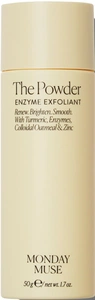
Pregnancy-safe products containing protease
MONDAY MUSE
MONDAY MUSE The Powder
100/100
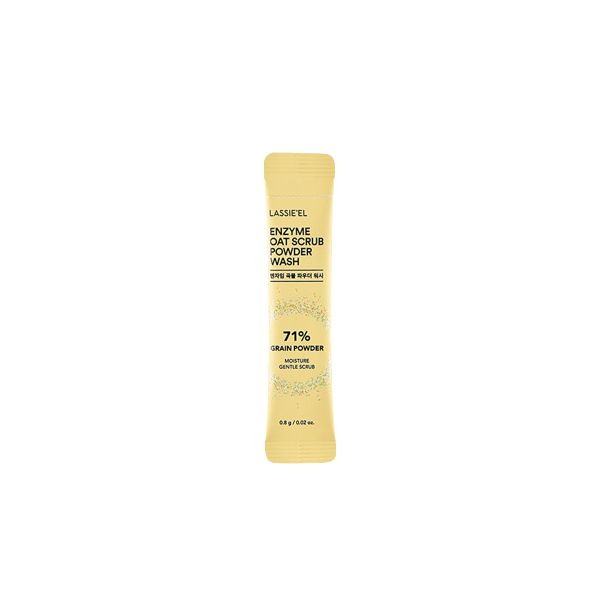
Lassieel
Lassieel Enzyme Oat Scrub Powder Wash - 14pcs
100/100
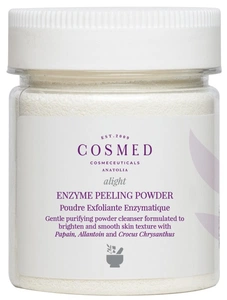
Cosmed
Cosmed Enzyme Peeling Powder
100/100
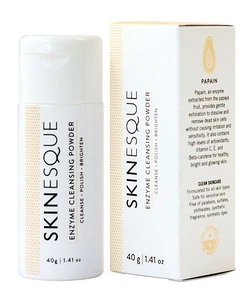
Skinesque
Skinesque ENZYME CLEANSING POWDER
100/100
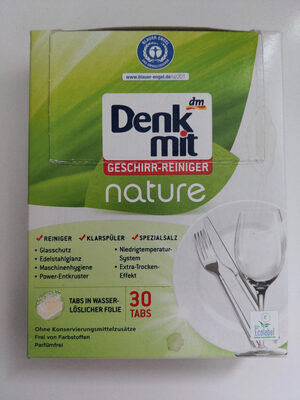
Denkmit
Denkmit Geschirr-Reiniger
100/100
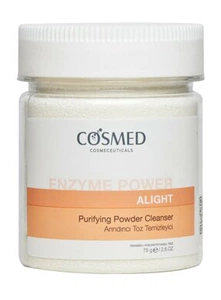
Cosmed
Cosmed Purifying Powder Cleaner
100/100
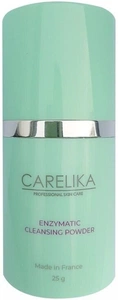
Carelika
Carelika Enzymatic Cleansing Powder
100/100
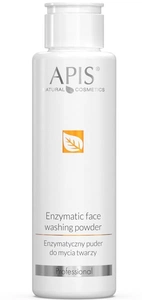
APIS
APIS Professional Enzymatic Face Washing Powder
100/100
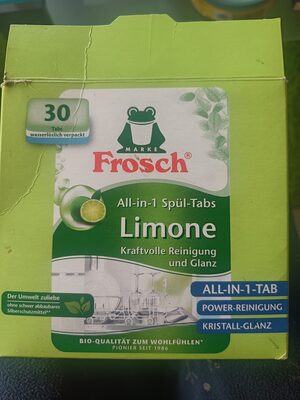
Frosh
Frosh
100/100
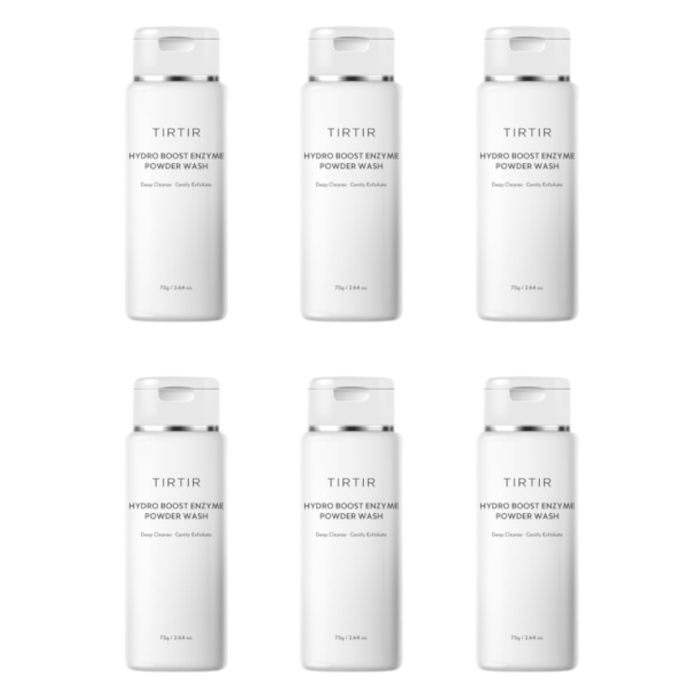
Tirtir
TIRTIR Hydro Boost Enzyme Powder Wash - 75g (6ea) Set
100/100
Related ingredients
See also
Sources & references
Authoritative references used to score this ingredient.
Frequently asked questions
- Is protease safe during pregnancy?
- No harmonised CLP reproductive classification or SCCS/CIR reproductive safety finding was identified for protease (CAS 9001-92-7). Regulatory/ingredient databases list protease as a cosmetic enzyme (CosIng/INCI) and ECHA substance pages group it with proteases but do not show a harmonised H360/H361 or other reproductive hazard. Peer‑reviewed literature and regulatory dossiers instead raise occupational allergy/sensitisation concerns for proteolytic enzymes, not reproductive toxicity; therefore default scoring is 0/0/0. Sources: ECHA substance page, CosIng listing, PubMed sensitisation literature.
- Is protease safe while breastfeeding?
- No data indicating protease causes reproductive or lactation/offspring effects or a mechanism for transfer into breastmilk; regulatory listings and literature do not report developmental or lactation toxicity for cosmetic proteases. Primary safety concerns reported are local irritation and allergic sensitisation (including inhalation exposure in occupational settings), not systemic reproductive/lactation effects.
- Is protease safe for baby skin?
- No infant‑specific reproductive/toxicity data were found. Protease is used as a topical enzyme (INCI Protease) and is primarily associated in the literature with skin irritation and sensitisation risk (including occupational inhalation) rather than systemic reproductive toxicity. Topical dermal absorption of intact protease enzymes is expected to be negligible in healthy adult skin (so adult exposure = 0), but because infant skin has an immature barrier and higher surface‑area‑to‑weight, exposure score is increased by +1 (e=1). No evidence was found that would increase hazard or mechanism scores for infants.
- How does VeriMom score protease?
- VeriMom scores protease at 100/100 (no known risks) based on EU CosIng status, ECHA hazard classifications, and peer-reviewed PubMed studies. Our scoring pipeline is fully transparent.
- What are pregnancy-safe alternatives to protease?
- See our curated list of pregnancy-safe alternatives to protease based on similar function and a no-known-risks safety band.
Check your own skincare
Paste any product's ingredient list into our free checker and see every ingredient scored against EU regulatory data and peer-reviewed research.
Open the pregnancy-safe ingredient checkerCheck every label in 2 seconds
Get VeriMom free — scan any product and see the pregnancy safety score instantly.
Medical Disclaimer
This information is for educational purposes only and does not constitute medical advice. Safety scores are based on publicly available data and may not reflect all risks. Always consult your healthcare provider before using any product during pregnancy or breastfeeding.