 VeriMom
Is polyquaternium-7 safe during pregnancy?
Reviewed by VeriMom Editorial Team · Last reviewed
Pregnancy-Safe Ingredients Database — 28,000+ Ingredients Rated
polyquaternium-7
NO KNOWN RISKS100
/100
0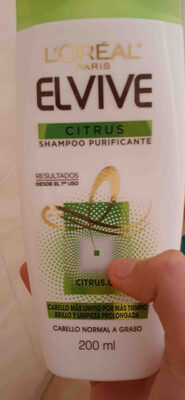
Pregnancy-safe products containing polyquaternium-7
L'Oréal
Elvive citrus champú purificante
100/100
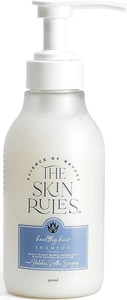
THE SKIN RULES
THE SKIN RULES Healthy Hair Shampoo
100/100
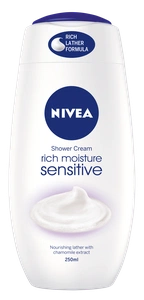
Nivea
Nivea Shower Cream Rich Moisture Sensitive
99/100
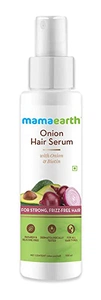
mamaearth
Mamaearth Onion Hair Serum
99/100
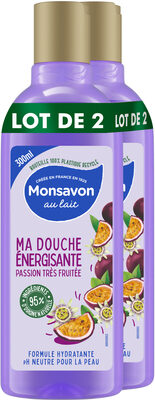
Au Lait
Monsavon Gel Douche Passion Bien Fruitée 300ml Lot de 2
99/100
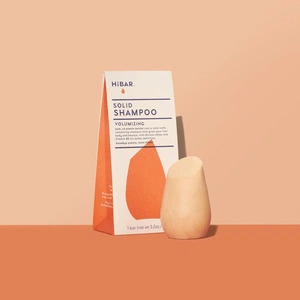
HiBar
HiBar Volumize Shampoo
99/100
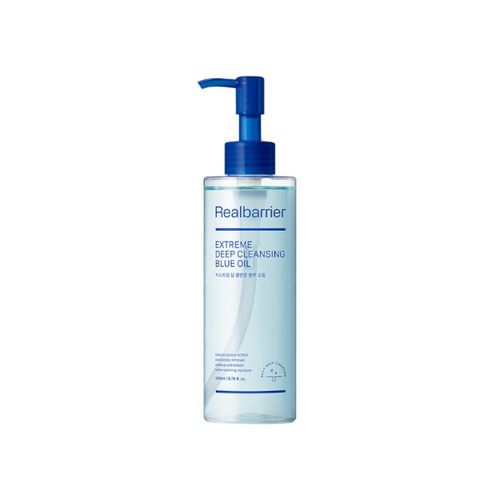
Real Barrier Extreme Deep Cleasing Blue Oil - 200ml
99/100
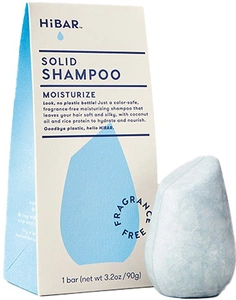
HiBar
HiBar Fragrance-free Moisture Shampoo Bar
99/100
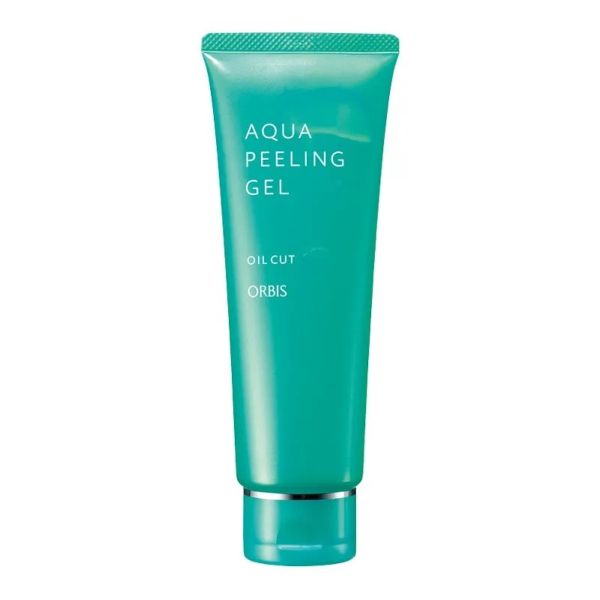
Orbis
ORBIS Aqua Peeling Gel - 120g
99/100
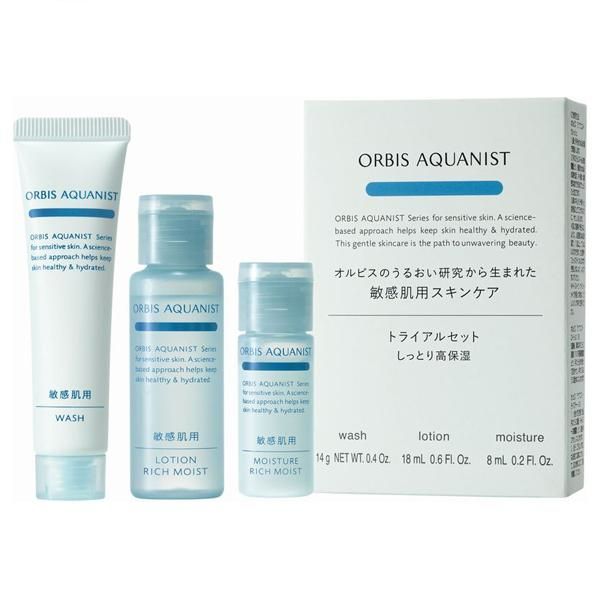
Orbis
ORBIS Aquanist Rich Moist Trial Set - 1 set
99/100
Related ingredients
See also
Sources & references
Authoritative references used to score this ingredient.
Frequently asked questions
- Is polyquaternium-7 safe during pregnancy?
- No harmonised CLP reproductive classifications for polyquaternium‑7 (ECHA Annex VI). CIR and cosmetic safety resources indicate polyquaternium‑7 is used as a high‑molecular‑weight polymeric quaternary ammonium salt and is assessed as safe for cosmetic topical use; no animal or human reproductive/developmental toxicity or endocrine disruption data indicating risk were identified in authoritative assessments (CIR, ECHA, PubChem).
- Is polyquaternium-7 safe while breastfeeding?
- No evidence of reproductive or lactation-specific toxicity or harmonised classification. Given its polymeric/high molecular weight, charged character and lack of reported systemic toxicity, authoritative sources do not flag concerns for breastfeeding; no data showing transfer into breastmilk were identified (CIR, ECHA, PubChem).
- Is polyquaternium-7 safe for baby skin?
- Polyquaternium‑7 is a high‑MW, water‑soluble quaternary polymer with low expected dermal penetration; authoritative cosmetic databases (CIR, CosIng, PubChem) and regulatory dossiers do not indicate developmental or infant‑specific hazards. Although infant skin is more permeable, no data show measurable systemic absorption for this polymer, so exposure is scored negligible.
- How does VeriMom score polyquaternium-7?
- VeriMom scores polyquaternium-7 at 100/100 (no known risks) based on EU CosIng status, ECHA hazard classifications, and peer-reviewed PubMed studies. Our scoring pipeline is fully transparent.
- What are pregnancy-safe alternatives to polyquaternium-7?
- See our curated list of pregnancy-safe alternatives to polyquaternium-7 based on similar function and a no-known-risks safety band.
Check your own skincare
Paste any product's ingredient list into our free checker and see every ingredient scored against EU regulatory data and peer-reviewed research.
Open the pregnancy-safe ingredient checkerCheck every label in 2 seconds
Get VeriMom free — scan any product and see the pregnancy safety score instantly.
Medical Disclaimer
This information is for educational purposes only and does not constitute medical advice. Safety scores are based on publicly available data and may not reflect all risks. Always consult your healthcare provider before using any product during pregnancy or breastfeeding.