 VeriMom
Is polyquaternium-61 safe during pregnancy?
Reviewed by VeriMom Editorial Team · Last reviewed
Pregnancy-Safe Ingredients Database — 28,000+ Ingredients Rated
polyquaternium-61
NO KNOWN RISKS100
/100
0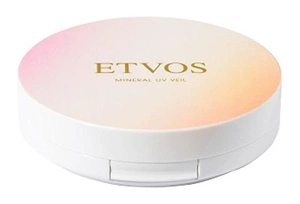
Pregnancy-safe products containing polyquaternium-61
ETVOS
ETVOS Uv Compact Spf45 Pa+++
100/100
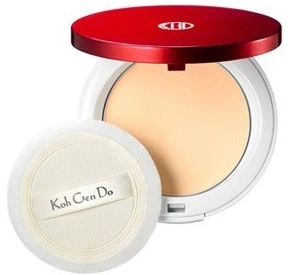
Koh Gen Do
Koh Gen Do My Fancy UV Pressed Powder SPF 50+ Pa ++++ Natural Beige
99/100
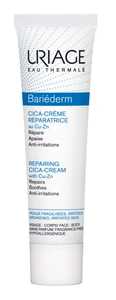
Uriage
Uriage Bariéderm Cica Cream
98/100
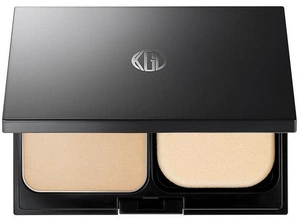
Koh Gen Do
Koh Gen Do Gloss Film Foundation
85/100
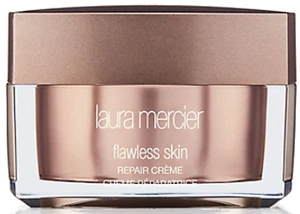
Laura Mercier
Laura Mercier Repair Crème
85/100
Pruv:me
Pruv:me Mec 68 Moisture Recharge Eye Cream
85/100
Minon
Minon Amino Moist Charge Lotion
84/100
Living Proof
Living proof No Frizz Smooth Styling Spray
84/100
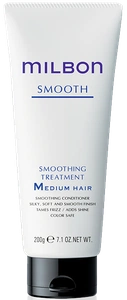
Milbon
Milbon Smoothing Treatment Medium Hair
84/100
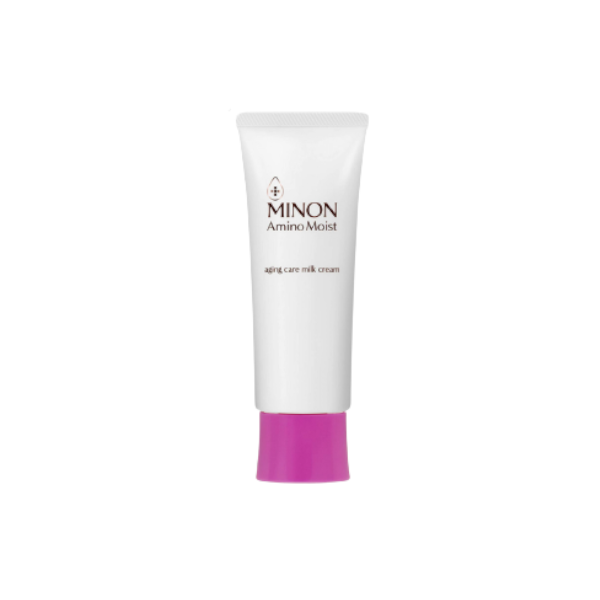
Minon
Minon Amino Moist Aging Care Milk Cream - 100g
84/100
Related ingredients
See also
Sources & references
Authoritative references used to score this ingredient.
Frequently asked questions
- Is polyquaternium-61 safe during pregnancy?
- No harmonised CLP reproductive classifications (ECHA Annex VI) or SCCS/CIR adverse pregnancy findings were identified for polyquaternium-61. Public toxicology databases (PubChem, CosIng) and the literature (PubMed) contain no reproductive or developmental toxicity reports for this polymeric quaternary ammonium; therefore default 'no evidence of reproductive hazard' is applied.
- Is polyquaternium-61 safe while breastfeeding?
- No data found indicating reproductive or lactation toxicity, and no mechanistic evidence of transfer into breast milk; regulatory sources (CosIng, PubChem, ECHA dossiers) do not list breastfeeding-specific hazards.
- Is polyquaternium-61 safe for baby skin?
- No infant-specific reproductive/safety data were identified. As a high-molecular-weight polymeric quaternary ammonium, systemic absorption after topical use is expected to be very low (adult exposure scored 0), but because infant skin has higher permeability as a precaution exposure is increased by +1 (e=1). No evidence supports higher hazard or a reproductive mechanism in infants.
- How does VeriMom score polyquaternium-61?
- VeriMom scores polyquaternium-61 at 100/100 (no known risks) based on EU CosIng status, ECHA hazard classifications, and peer-reviewed PubMed studies. Our scoring pipeline is fully transparent.
- What are pregnancy-safe alternatives to polyquaternium-61?
- See our curated list of pregnancy-safe alternatives to polyquaternium-61 based on similar function and a no-known-risks safety band.
Check your own skincare
Paste any product's ingredient list into our free checker and see every ingredient scored against EU regulatory data and peer-reviewed research.
Open the pregnancy-safe ingredient checkerCheck every label in 2 seconds
Get VeriMom free — scan any product and see the pregnancy safety score instantly.
Medical Disclaimer
This information is for educational purposes only and does not constitute medical advice. Safety scores are based on publicly available data and may not reflect all risks. Always consult your healthcare provider before using any product during pregnancy or breastfeeding.