 VeriMom
Is polyquaternium-4 safe during pregnancy?
Reviewed by VeriMom Editorial Team · Last reviewed
Pregnancy-Safe Ingredients Database — 28,000+ Ingredients Rated
polyquaternium-4
NO KNOWN RISKS100
/100
0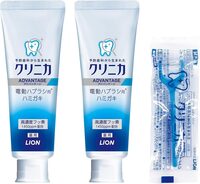
Pregnancy-safe products containing polyquaternium-4
Lion
CLINICA Advantage Gel Toothpaste (for electric toothbrushes) (Pack of 2) + CLINICA ADVANTAGE Dental Floss Y-Type
99/100
Revolution
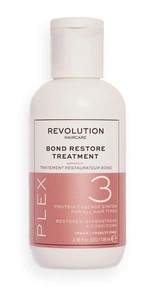
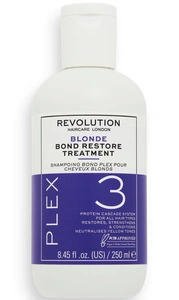
Revolution Haircare Plex 3 Bond Restore Treatment
98/100
Orofluido
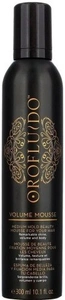
Orofluido Volume Mousse
98/100
Atomy
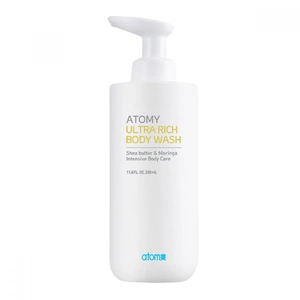
Atomy Ultra Rich Body Wash (Discontinued)
98/100
Revolution
Revolution Haircare | Blonde Plex 3 Bond Restore Treatment
98/100
Schwarzkopf Professional
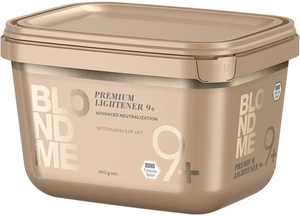
Schwarzkopf Professional Blondme Premium Lightener 9+
98/100
Revolution
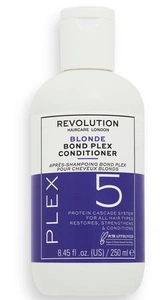
Revolution Haircare Blonde Plex 5 Bond Plex Conditioner
98/100
caprice
espuma moldeadora
97/100
Energie Fruit
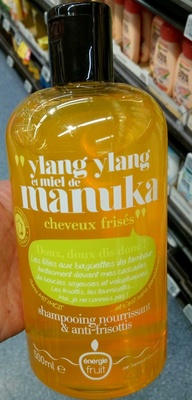
Ylang Ylang et miel de Manuka Cheveux frisés Shampoing nourissant & anti-frisottis
97/100
énergie fruit
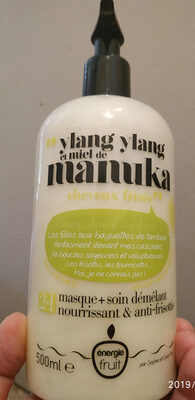
Ylang Ylang et miel de manuka
97/100
Related ingredients
See also
Sources & references
Authoritative references used to score this ingredient.
Frequently asked questions
- Is polyquaternium-4 safe during pregnancy?
- No harmonised CLP classification for reproductive toxicity on ECHA Annex VI and no SCCS/CIR safety opinion indicating reproductive hazard. PubChem and CosIng list product use and identity but provide no reproductive or developmental toxicity data; no peer‑reviewed reports showing teratogenicity or reproductive effects were identified. Given its polymeric quaternary‑ammonium nature and high molecular weight, systemic absorption from topical cosmetic use is expected to be negligible.
- Is polyquaternium-4 safe while breastfeeding?
- No evidence of reproductive or lactation hazards in regulatory databases (no harmonised classification) or in the literature reviewed. No demonstrated mechanisms for transfer into breastmilk; expected negligible dermal absorption from cosmetic use makes infant exposure via breastmilk unlikely.
- Is polyquaternium-4 safe for baby skin?
- No data indicating developmental or reproductive hazard for infants. Mechanistic data lacking. Exposure score increased by +1 for infants (e=1) because although adult dermal absorption is expected to be negligible for a high‑molecular‑weight polymer, infant skin has a less mature barrier and higher surface‑area‑to‑weight ratio leading to low but measurable potential exposure.
- How does VeriMom score polyquaternium-4?
- VeriMom scores polyquaternium-4 at 100/100 (no known risks) based on EU CosIng status, ECHA hazard classifications, and peer-reviewed PubMed studies. Our scoring pipeline is fully transparent.
- What are pregnancy-safe alternatives to polyquaternium-4?
- See our curated list of pregnancy-safe alternatives to polyquaternium-4 based on similar function and a no-known-risks safety band.
Check every label in 2 seconds
Get VeriMom free — scan any product and see the pregnancy safety score instantly.
Medical Disclaimer
This information is for educational purposes only and does not constitute medical advice. Safety scores are based on publicly available data and may not reflect all risks. Always consult your healthcare provider before using any product during pregnancy or breastfeeding.