 VeriMom
Is polyglyceryl-3 ricinoleate safe during pregnancy?
Reviewed by VeriMom Editorial Team · Last reviewed
Pregnancy-Safe Ingredients Database — 28,000+ Ingredients Rated
polyglyceryl-3 ricinoleate
NO KNOWN RISKS100
/100
0
Pregnancy-safe products containing polyglyceryl-3 ricinoleate
THE LAB by blanc doux Oligo Hyaluronic Acid Watery Skin Mask - 25g x 10ea
99/100
Tropic skincare
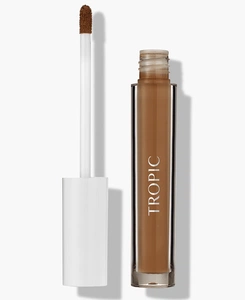
Tropic skincare Illuma Light Diffusing Concealer
99/100
unilever
Timotei Bio Après-Shampooing Femme Éclat Cheveux colorés Grenade & Karité 250ml
99/100
Jouviance
Jouviance Spf 30 Lotion
98/100
Ilia
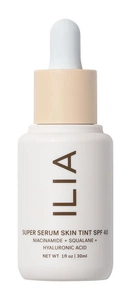
Ilia Super Serum Skin Tint SPF 40
98/100
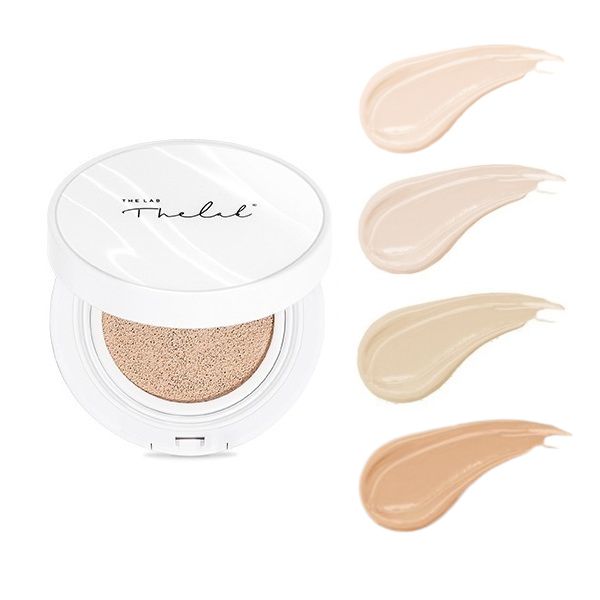
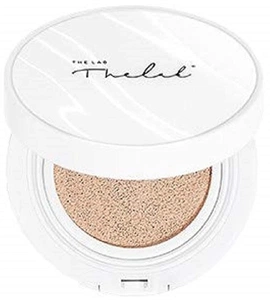
THE LAB by blanc doux Oligo Hyaluronic Acid Healthy Cream Cushion - 12g
98/100
Dr.Greve
Dr. Greve Niacinamid Styrkende Nattkrem
98/100
Junglück
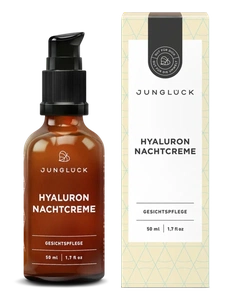
Junglück Hyaluron Night Cream
98/100
Bioderma
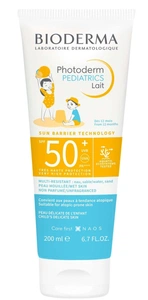
Bioderma Photoderm Pediatrics Mineral SPF50+
98/100
THE LAB by blanc doux
THE LAB by blanc doux Oligo Hyaluronic Acid Healthy Cream Cushion
98/100
Related ingredients
See also
Sources & references
Authoritative references used to score this ingredient.
Frequently asked questions
- Is polyglyceryl-3 ricinoleate safe during pregnancy?
- No harmonised CLP classification (ECHA Annex VI) or SCCS/CIR reproductive warnings found; no peer‑reviewed evidence of reproductive toxicity for polyglyceryl‑3 ricinoleate. As a high‑MW polyglycerol ester used as an emulsifier, dermal systemic exposure from cosmetic use is expected to be negligible. Sources: CosIng, PubChem, ECHA (no harmonised classification), PubMed (no reproductive/toxicology studies identified).
- Is polyglyceryl-3 ricinoleate safe while breastfeeding?
- Same rationale as pregnancy: no evidence of reproductive or developmental toxicity, no harmonised classification, and low expected dermal absorption makes transfer into breastmilk unlikely at cosmetic use levels. Sources: CosIng, PubChem, ECHA (no harmonised classification), PubMed (no studies found).
- Is polyglyceryl-3 ricinoleate safe for baby skin?
- No specific infant toxicity or developmental data found. Hazard and mechanism: no evidence for reproductive or endocrine effects. Exposure: although adult dermal absorption is expected to be negligible, immature infant skin has higher relative absorption—so exposure score increased by +1 per instructions. Sources: CosIng, PubChem, ECHA (no harmonised classification), PubMed (no infant/tiny‑age studies found).
- How does VeriMom score polyglyceryl-3 ricinoleate?
- VeriMom scores polyglyceryl-3 ricinoleate at 100/100 (no known risks) based on EU CosIng status, ECHA hazard classifications, and peer-reviewed PubMed studies. Our scoring pipeline is fully transparent.
- What are pregnancy-safe alternatives to polyglyceryl-3 ricinoleate?
- See our curated list of pregnancy-safe alternatives to polyglyceryl-3 ricinoleate based on similar function and a no-known-risks safety band.
Check every label in 2 seconds
Get VeriMom free — scan any product and see the pregnancy safety score instantly.
Medical Disclaimer
This information is for educational purposes only and does not constitute medical advice. Safety scores are based on publicly available data and may not reflect all risks. Always consult your healthcare provider before using any product during pregnancy or breastfeeding.