 VeriMom
Is phytosterols safe during pregnancy?
Reviewed by VeriMom Editorial Team · Last reviewed
Pregnancy-Safe Ingredients Database — 28,000+ Ingredients Rated
phytosterols
NO KNOWN RISKS100
/100
0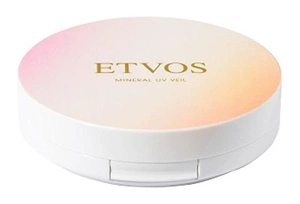
Pregnancy-safe products containing phytosterols
ETVOS
ETVOS Uv Compact Spf45 Pa+++
100/100
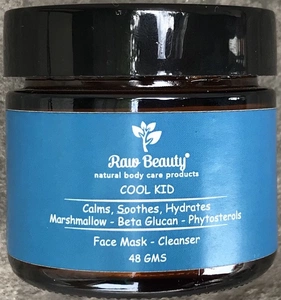
Raw Beauty
Raw Beauty Cool Kid
100/100
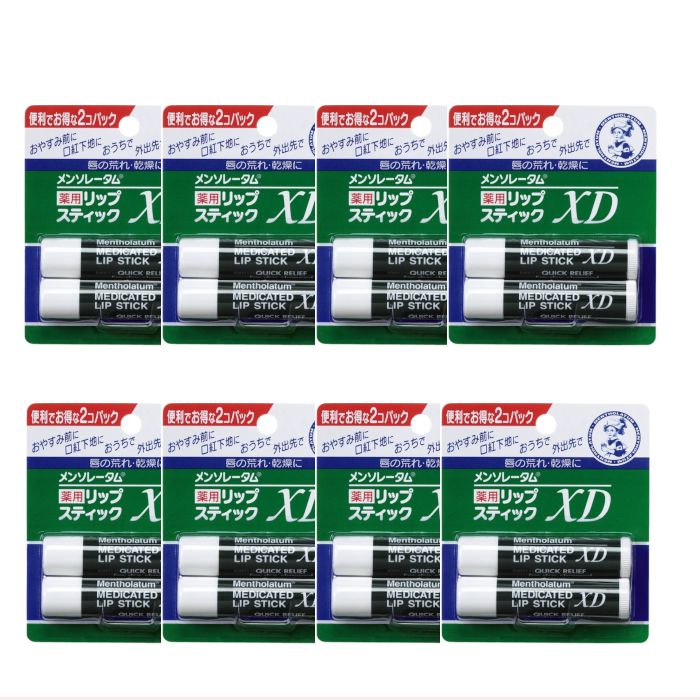
Rohto Mentholatum Medicated Lip Stick XD - 2 pcs (8ea) Set
99/100
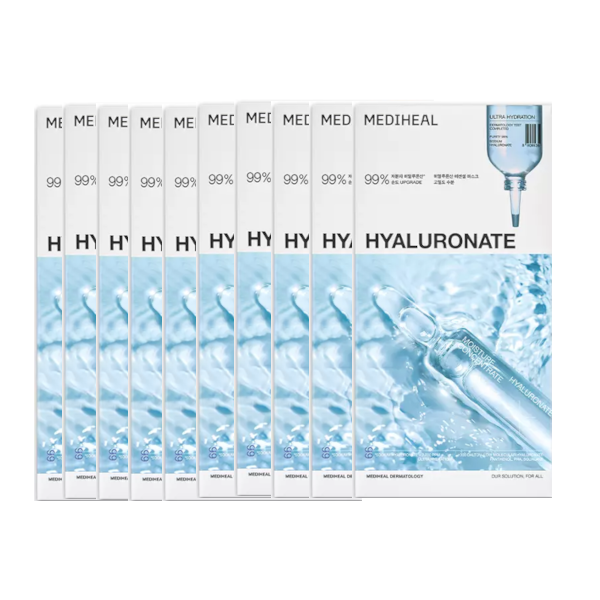
Mediheal
Mediheal Hyaluronate Essential Mask Sheet - 10pcs
99/100
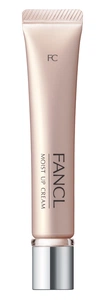
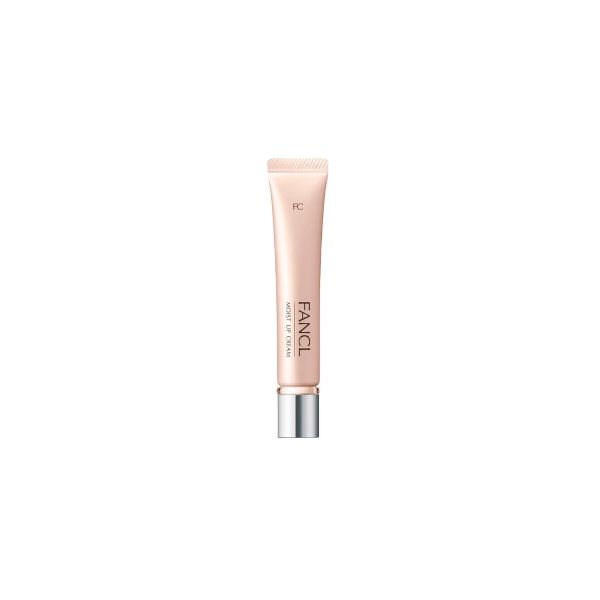
Fancl
Fancl Moist Up Cream
99/100
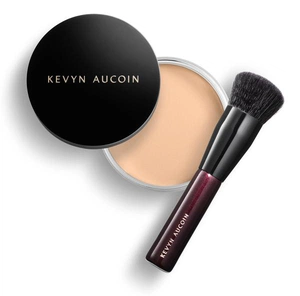
Kevyn Aucoin
Kevyn Aucoin Foundation Balm
99/100
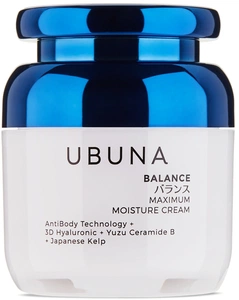
Ubuna
Ubuna Balance Maximum Moisture Cream
99/100
Catrice
Catrice Demi Matt Lipstick
99/100
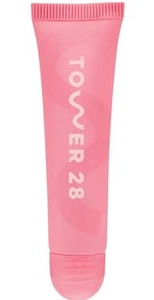
Tower 28 Beauty
Tower 28 Beauty Lipsoftie™ Hydrating Tinted Lip Treatment Balm
99/100
Fancl
Fancl Moist Up Cream - 18g
99/100
Related ingredients
See also
Sources & references
Authoritative references used to score this ingredient.
Frequently asked questions
- Is phytosterols safe during pregnancy?
- Cosmetic-focused safety review (CIR) concluded phytosterols are safe as used in cosmetics and did not identify reproductive/teratogenic hazards; regulatory sources (JECFA/food safety evaluations) set an ADI and cite reproductive data without finding teratogenicity. Peer‑reviewed animal work reports maternal dietary phytosterol effects on offspring lipid profiles but not malformations or fetal loss. No harmonised CLP (Annex VI) reproductive classification (H361/H360) was identified. (CIR; JECFA; PubMed).
- Is phytosterols safe while breastfeeding?
- No evidence in CIR or regulatory evaluations of reproductive or lactation-specific hazards from topical phytosterol use. Dietary/maternal supplementation studies show changes in offspring lipid metabolism in animal models but do not indicate developmental toxicity or clear lactation-specific adverse outcomes; systemic exposure from cosmetic topical use is expected to be low. (CIR; PubMed; JECFA).
- Is phytosterols safe for baby skin?
- No evidence of inherent reproductive or developmental hazard to infants from phytosterols; mechanism data for reproductive endocrine disruption is lacking. However, per infant-exposure rules, topical exposure concern score is increased by +1 because infant skin has higher surface‑area‑to‑weight and an immature barrier and phytosterols are not completely non‑absorbable, so measurable (though low) systemic absorption is plausible. CIR states safe as used in cosmetics and EWG does not list phytosterols as restricted. (CIR; EWG).
- How does VeriMom score phytosterols?
- VeriMom scores phytosterols at 100/100 (no known risks) based on EU CosIng status, ECHA hazard classifications, and peer-reviewed PubMed studies. Our scoring pipeline is fully transparent.
- What are pregnancy-safe alternatives to phytosterols?
- See our curated list of pregnancy-safe alternatives to phytosterols based on similar function and a no-known-risks safety band.
Check your own skincare
Paste any product's ingredient list into our free checker and see every ingredient scored against EU regulatory data and peer-reviewed research.
Open the pregnancy-safe ingredient checkerCheck every label in 2 seconds
Get VeriMom free — scan any product and see the pregnancy safety score instantly.
Medical Disclaimer
This information is for educational purposes only and does not constitute medical advice. Safety scores are based on publicly available data and may not reflect all risks. Always consult your healthcare provider before using any product during pregnancy or breastfeeding.