 VeriMom
pentasodium triphosphate은 임신 중 안전한가요?
Reviewed by VeriMom Editorial Team · Last reviewed
성분
pentasodium triphosphate
알려진 위험 없음100
/100
0
Pregnancy-safe products containing pentasodium triphosphate
Soap and Glory
Soap and Glory Bath Bomb
99/100
cleansers
certex
Hand-wash Antibacterial
99/100
Colgate
Dentifrice Blancheur Max White
99/100
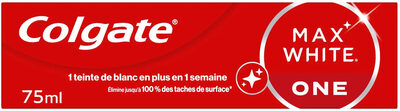
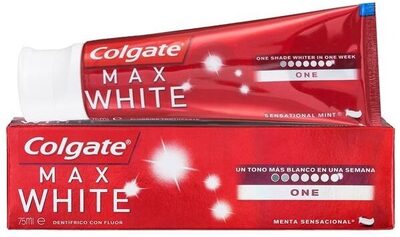
Colgate
Colgate Max White One
99/100
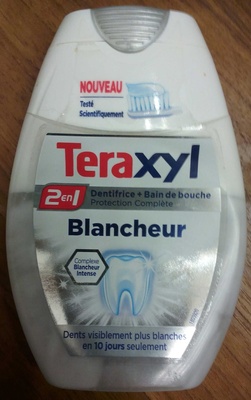
henkel
Teraxyl Blancheur 2 en 1
99/100
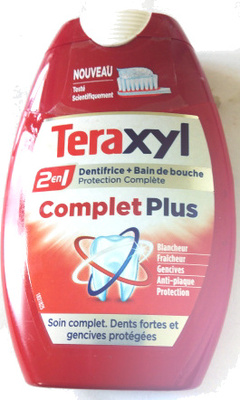
henkel
Teraxyl Complet Plus 2 en 1
99/100
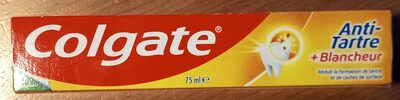
Colgate
Anti-tartre
98/100
open beauty facts
Unknown
cvs max sensitive toothpaste
98/100
Colgate
Max White
98/100
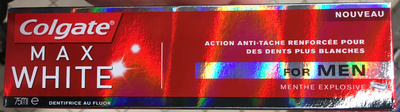
Colgate
Max White for Men menthe explosive
98/100
Related ingredients
더 보기
Sources & references
Authoritative references used to score this ingredient.
Frequently asked questions
- pentasodium triphosphate은 임신 중 안전한가요?
- No harmonised CLP reproductive classification or SCCS/CIR reproductive prohibition was found; the Cosmetic Ingredient Review (CIR) assessment of phosphoric acid and its salts (which includes pentasodium triphosphate) reviewed repeated‑dose and reproductive/ developmental endpoints and reported NOAELs in animal studies without teratogenic findings, and ECHA/registration material and SDSs do not list harmonised reproductive hazard. Based on these higher‑priority sources there is no evidence of a pregnancy-specific reproductive hazard for topical cosmetic use. (CIR; ECHA/SDS).
- pentasodium triphosphate은 모유 수유 중 안전한가요?
- No data were found indicating lactation-specific toxicity or transfer to breastmilk, and regulatory/industry safety assessments (CIR) do not raise breastfeeding contraindications for cosmetic use. ECHA registration/SDS do not list reproductive or lactation hazards. Therefore breastfeeding scores default to 0 given absence of evidence. (CIR; ECHA/SDS).
- pentasodium triphosphate은 아기 피부에 안전한가요?
- No infant‑specific reproductive or developmental hazard evidence was identified. CIR notes pentasodium triphosphate use in rinse‑off/bath products (reported up to ~9% in bath preparations) and animal oral studies indicate systemic effects only at much higher doses; topical dermal systemic absorption from cosmetic use is expected to be negligible. Because infant skin has a less mature barrier, exposure (e) is increased by +1 from adult (negligible) to low/measurable for babies 0–3 yr in line with the scoring rules. (CIR; product SDSs).
- VeriMom은 pentasodium triphosphate을 어떻게 평가하나요?
- VeriMom은 EU CosIng, ECHA 분류, PubMed 연구를 기반으로 pentasodium triphosphate을 100/100 (알려진 위험 없음)로 평가합니다.
- 임신 중 pentasodium triphosphate 대체 안전 성분은?
- 유사한 기능을 가진 알려진 위험이 없는 대체 성분 목록을 확인하세요.
내 화장품을 직접 확인하세요
제품의 전성분 목록을 무료 검사기에 붙여넣으면 EU 규제 데이터와 동료 심사 연구를 바탕으로 각 성분의 점수를 확인할 수 있습니다.
임신 중 안전 성분 검사기 열기모든 성분표를 2초 만에 확인
VeriMom 무료 다운로드 — 어떤 제품이든 스캔해 임신 중 안전 점수를 즉시 확인하세요.
의료 면책 조항
이 정보는 교육 목적으로만 제공되며 의학적 조언을 구성하지 않습니다. 안전 점수는 공개적으로 이용 가능한 데이터를 기반으로 하며 모든 위험을 반영하지 않을 수 있습니다. 임신 중 또는 수유 중 제품을 사용하기 전에 항상 의료 전문가와 상담하십시오.