 VeriMom
Is octadecene safe during pregnancy?
Reviewed by VeriMom Editorial Team · Last reviewed
Pregnancy-Safe Ingredients Database — 28,000+ Ingredients Rated
octadecene
NO KNOWN RISKS93
/100
0




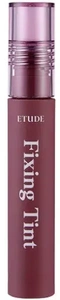
Pregnancy-safe products containing octadecene
Etude House
Etude House Fixing Tint In Shade 07 Cranberry Plum
99/100
Wayne Goss
Wayne Goss The Essential Eye Kohl Pencil
99/100
Etude House
Etude House Fixing Tint In Shade 08 Dusty Beige
99/100
Etude House
Etude House Fixing Tint Midnight Mauve
99/100
Byredo
Byredo Kajal Stick
99/100
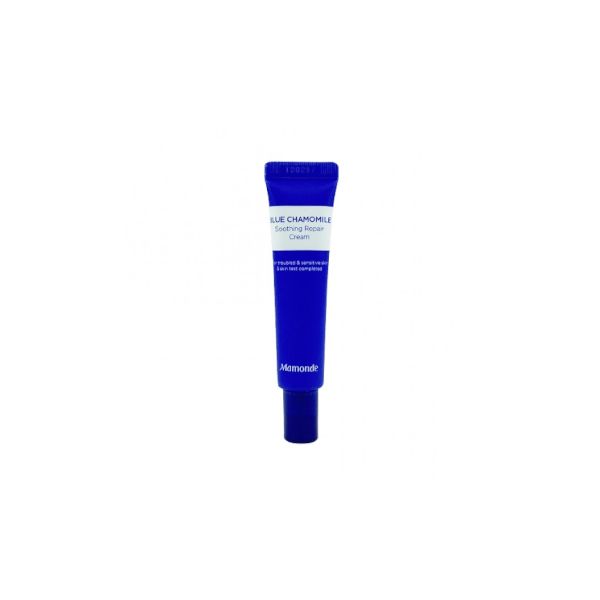
Mamonde
Mamonde Blue Chamomile Soothing Repair Cream - 15ml
98/100
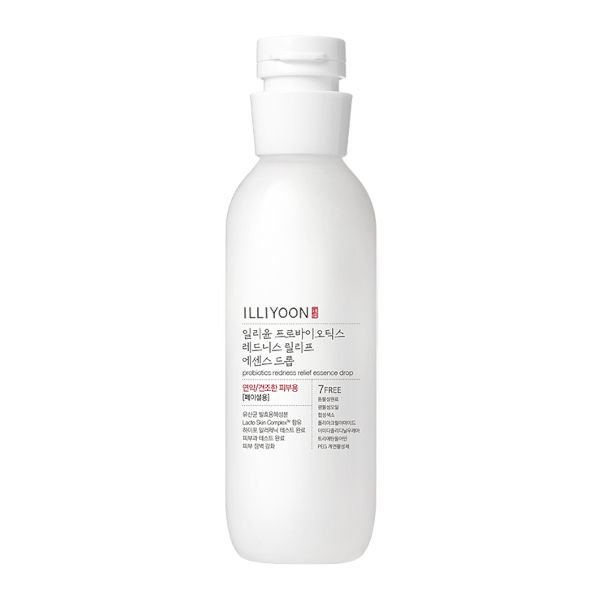
Illiyoon
ILLIYOON Probiotics Redness Relief Essence Drop - 200ml
98/100
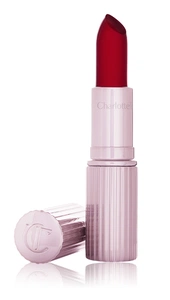
Charlotte Tilbury
Charlotte Tilbury Glowgasm Lips
98/100
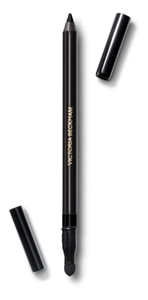
Victoria Beckham Beauty
Victoria Beckham Beauty Satin Kajal Liner
98/100
Etude House
Etude House Fixing Tint #14 Rose Lilac
98/100
Related ingredients
See also
Sources & references
Authoritative references used to score this ingredient.
Frequently asked questions
- Is octadecene safe during pregnancy?
- No harmonised CLP classification for reproductive toxicity and available regulatory studies (OECD 414 / prenatal developmental studies in rats cited in ECHA registration / EPA dossiers) do not report developmental/teratogenic effects at tested doses; therefore no reproductive hazard identified. Dermally, 1‑octadecene is a long‑chain lipophilic hydrocarbon with low but measurable absorption potential from skin, so exposure scoring is low but non‑negligible. (ECHA registration summary; EPA/ChemView/registration study summaries).
- Is octadecene safe while breastfeeding?
- No data indicating reproductive/developmental hazard or mammary transfer; absent hazard evidence, h=0. Breastmilk transfer for a C18 hydrocarbon is theoretically possible but not documented for cosmetic topical use; exposure scored as low but measurable. (ECHA registration dossier summaries; EPA study summaries).
- Is octadecene safe for baby skin?
- No infant‑specific hazard data found; default hazard/mechanism remain 0. Because infant skin has higher absorption and barrier immaturity, exposure is increased by +1 relative to adults (adult e=1 → infant e=2) when ingredient has measurable dermal uptake. No studies show specific harm to 0–3 yr infants from topical exposure. (ECHA/EPA study summaries; EWG ingredient entry).
- How does VeriMom score octadecene?
- VeriMom scores octadecene at 93/100 (no known risks) based on EU CosIng status, ECHA hazard classifications, and peer-reviewed PubMed studies. Our scoring pipeline is fully transparent.
- What are pregnancy-safe alternatives to octadecene?
- See our curated list of pregnancy-safe alternatives to octadecene based on similar function and a no-known-risks safety band.
Check your own skincare
Paste any product's ingredient list into our free checker and see every ingredient scored against EU regulatory data and peer-reviewed research.
Open the pregnancy-safe ingredient checkerCheck every label in 2 seconds
Get VeriMom free — scan any product and see the pregnancy safety score instantly.
Medical Disclaimer
This information is for educational purposes only and does not constitute medical advice. Safety scores are based on publicly available data and may not reflect all risks. Always consult your healthcare provider before using any product during pregnancy or breastfeeding.