 VeriMom
Is lavandula latifolia herb oil safe during pregnancy?
No harmonised CLP reproductive classifications (ECHA Annex VI) or SCCS/CIR determinations identifying Lavandula latifolia herb oil as a reproductive or teratogenic hazard. CIR/SCCS assessments of lavender oils generally concluded 'safe as used' in cosmetics when formulated appropriately; no peer‑reviewed evidence shows human teratogenicity for this oil. Topical cosmetic use gives low but measurable systemic exposure for adults. (Sources: ECHA Annex VI (no harmonised classification), CIR, PubChem, PubMed literature searches.)
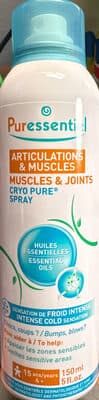
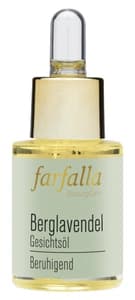
Pregnancy-safe products containing lavandula latifolia herb oil
Related ingredients
Frequently asked questions
- Is lavandula latifolia herb oil safe during pregnancy?
- No harmonised CLP reproductive classifications (ECHA Annex VI) or SCCS/CIR determinations identifying Lavandula latifolia herb oil as a reproductive or teratogenic hazard. CIR/SCCS assessments of lavender oils generally concluded 'safe as used' in cosmetics when formulated appropriately; no peer‑reviewed evidence shows human teratogenicity for this oil. Topical cosmetic use gives low but measurable systemic exposure for adults. (Sources: ECHA Annex VI (no harmonised classification), CIR, PubChem, PubMed literature searches.)
- Is lavandula latifolia herb oil safe while breastfeeding?
- No evidence of reproductive or developmental toxicity specific to Lavandula latifolia herb oil in humans or harmonised classifications. Systemic transfer into breastmilk is theoretical but expected to be low from cosmetic topical use; therefore exposure is low but measurable. Components like camphor can be systemically absorbed at high doses but typical cosmetic use levels are low. (Sources: ECHA Annex VI, CIR, PubMed, PubChem.)
- Is lavandula latifolia herb oil safe for baby skin?
- No infant‑specific data showing reproductive/developmental toxicity or mechanistic endocrine effects for this oil. However, due to immature barrier and higher surface‑area‑to‑weight, topical exposure in infants (0–3 yr) gives increased systemic exposure relative to adults (adult exposure scored as low but measurable → infant exposure elevated by +1). Also essential oils can be skin irritants/sensitizers and some components (camphor, 1,8‑cineole) warrant caution in young children. (Sources: CIR, PubMed, CosIng, ECHA summaries.)
- How does VeriMom score lavandula latifolia herb oil?
- VeriMom scores lavandula latifolia herb oil at 93/100 (no known risks) based on EU CosIng status, ECHA hazard classifications, and peer-reviewed PubMed studies. Our scoring pipeline is fully transparent.
- What are pregnancy-safe alternatives to lavandula latifolia herb oil?
- See our curated list of pregnancy-safe alternatives to lavandula latifolia herb oil based on similar function and a no-known-risks safety band.
Check every label in 2 seconds
Get VeriMom free — scan any product and see the pregnancy safety score instantly.
Medical Disclaimer
This information is for educational purposes only and does not constitute medical advice. Safety scores are based on publicly available data and may not reflect all risks. Always consult your healthcare provider before using any product during pregnancy or breastfeeding.