 VeriMom
Безопасен ли lavandula angustifolia flower/leaf/stem extract при беременности?
Reviewed by VeriMom Editorial Team · Last reviewed
Ингредиенты
lavandula angustifolia flower/leaf/stem extract
НИЗКИЙ РИСК87
/100
0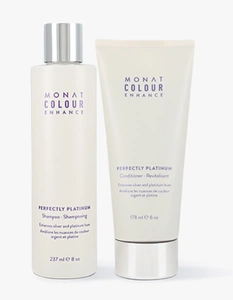
Pregnancy-safe products containing lavandula angustifolia flower/leaf/stem extract
Monat
Monat Perfectly Platinum Shampoo
89/100
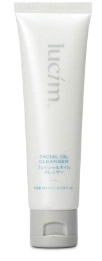
ariix
Ariix Lucim Facial Oil Cleanser
89/100
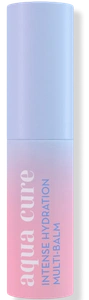
The Creme Shop
The Creme Shop Aqua Cure 24h Multi-balm
89/100
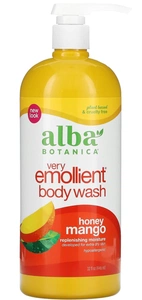
Alba Botanica
Alba Botanica Very Emollient Body Wash, Honey Mango
89/100
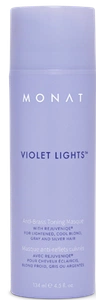
Monat
Monat Violet Lights™ Anti-brass Toning Masque
89/100
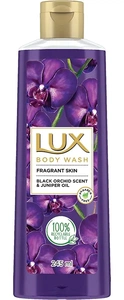
Lux
Lux Fragrant Skin Black Orchid Scent and Juniper Oil Shower Gel
89/100
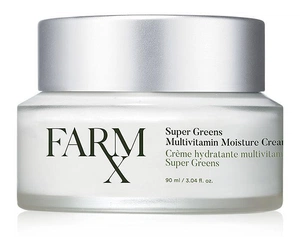
Avon
Avon Farm Rx Super Greens Miltivitamin Moisture Cream
89/100
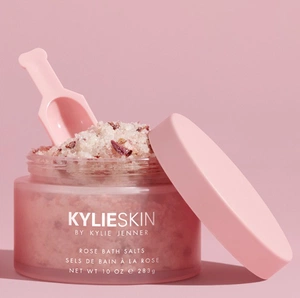
Kylie Skin
Kylie Skin Rose Bath Salts
89/100
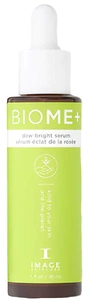
Image Skincare
Image Skincare BIOME+ Dew Bright Serum
89/100
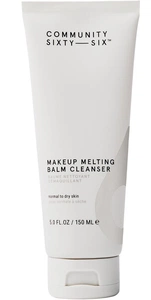
Community Sixty Six
Community Sixty Six Makeup Melting Balm Cleanser
89/100
Related ingredients
См. также
Sources & references
Authoritative references used to score this ingredient.
Frequently asked questions
- Безопасен ли lavandula angustifolia flower/leaf/stem extract при беременности?
- No EU Annex II/III restriction or harmonised CLP reproductive classification was found for Lavandula angustifolia extract; ECHA lists the substance but shows no harmonised reproductive hazard. The only reproductive-related signals are in vitro estrogenic/anti-androgenic activity reported for lavender essential oil (not necessarily for cosmetic aqueous/standard extracts) and case reports linking topical EO exposure to hormonal effects in children—these are mechanistic/theoretical rather than confirmed human teratogenicity. ([echa.europa.eu](https://echa.europa.eu/substance-information/-/substanceinfo/100.081.783?utm_source=openai))
- Безопасен ли lavandula angustifolia flower/leaf/stem extract при грудном вскармливании?
- Authoritative lactation guidance notes limited/no data on lavender use in nursing mothers (no confirmed milk transfer or infant harm), so no regulatory reproductive/breastfeeding ban or harmonised classification applies; mechanistic in vitro findings for lavender EO justify theoretical concern but not confirmed risk. Recommend caution and clinical advice for nursing mothers if using concentrated EO products. ([ncbi.nlm.nih.gov](https://www.ncbi.nlm.nih.gov/books/NBK501865/?utm_source=openai))
- Безопасен ли lavandula angustifolia flower/leaf/stem extract для кожи малыша?
- No regulatory ban/restriction or harmonised CLP reproductive classification for the extract was identified; however lavender contains fragrance constituents (linalool, linalyl acetate) that oxidise to contact allergens (SCCS identifies oxidised linalool as a frequent contact allergen) and rare case reports/in vitro hormone‑activity data exist for essential oil—mechanism is therefore theoretical. Because infant skin has higher absorption/sensitivity, exposure score is increased (+1). For baby skin, main concern is irritation/sensitisation rather than proven developmental toxicity. ([echa.europa.eu](https://echa.europa.eu/substance-information/-/substanceinfo/100.081.783?utm_source=openai))
- Как VeriMom оценивает lavandula angustifolia flower/leaf/stem extract?
- VeriMom оценивает lavandula angustifolia flower/leaf/stem extract в 87/100 (низкий риск) на основе EU CosIng, классификаций ECHA и исследований PubMed.
- Какие безопасные альтернативы lavandula angustifolia flower/leaf/stem extract при беременности?
- См. наш список безопасных альтернатив lavandula angustifolia flower/leaf/stem extract с аналогичной функцией и классификацией без известных рисков.
Проверьте свою косметику
Вставьте список ингредиентов любого продукта в наш бесплатный анализатор и посмотрите оценку каждого ингредиента по регуляторным данным ЕС и рецензируемым исследованиям.
Открыть проверку ингредиентов для беременныхПроверь любой состав за 2 секунды
Скачай VeriMom бесплатно — отсканируй любой продукт и мгновенно получи оценку безопасности при беременности.
Медицинская оговорка
Данная информация предоставлена исключительно в образовательных целях и не является медицинской рекомендацией. Оценки безопасности основаны на общедоступных данных и могут не отражать все риски. Всегда консультируйтесь с вашим врачом перед использованием любых средств во время беременности или грудного вскармливания.