 VeriMom
Is lanolin safe during pregnancy?
Reviewed by VeriMom Editorial Team · Last reviewed
Pregnancy-Safe Ingredients Database — 28,000+ Ingredients Rated
lanolin
NO KNOWN RISKS100
/100
0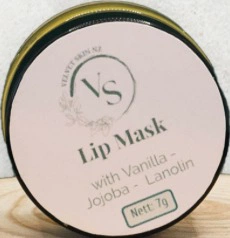
Pregnancy-safe products containing lanolin
Velvet Skin
Velvet Skin Lip Mask
100/100
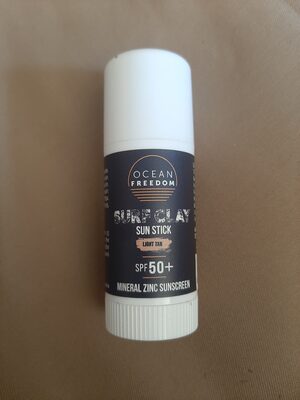
Ocean Freedom
Surf clay sun stick
100/100
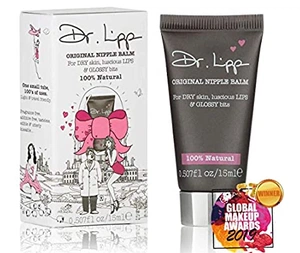
Dr Lipp
Dr Lipp Original Nipple Balm
100/100
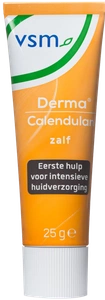
Vsm
Vsm Derma Calendulan
100/100
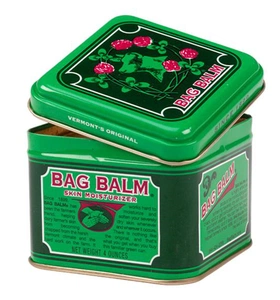
Bag Balm
Bag Balm Original Skin Moisturiser
100/100
uncategorized
DESIGN ESSENTIALS
Le Site Officiel Des Nouvelles Coiffures
100/100
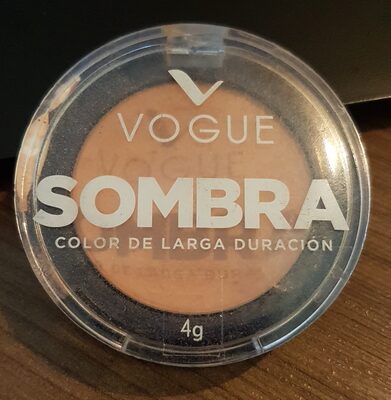
Vogue
Sombra color de larga duración
100/100
Unknown
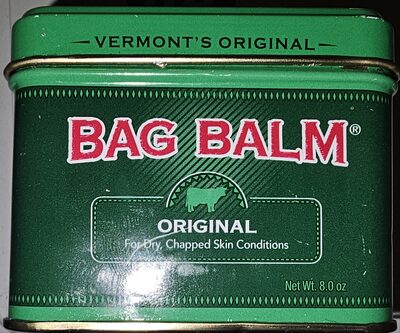
Bag Balm
100/100
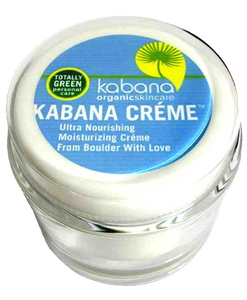
Kabana Organic Skincare
Kabana Organic Skincare Kabana Crème Ultra Nourishing Moisturizer
100/100
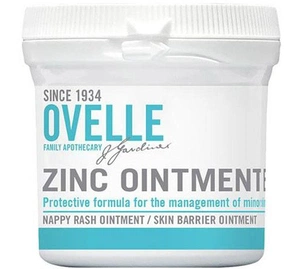
Ovelle
Ovelle Zinc Ointment
100/100
Related ingredients
See also
Sources & references
Authoritative references used to score this ingredient.
Frequently asked questions
- Is lanolin safe during pregnancy?
- Lanolin (CAS 8006-54-0) has no harmonised reproductive classification at ECHA and the Cosmetic Ingredient Review (CIR) panel concluded lanolin and lanolin-derived ingredients are safe for cosmetic use as formulated; there is no credible evidence for teratogenic or reproductive hazard in humans or animals in the reviewed assessments. Topical cosmetic use leads to negligible systemic exposure for adults due to the large, complex ester composition and established topical use. (See CIR safety assessment; ECHA substance page; clinical literature on topical lanolin use in pregnancy/breastfeeding contexts.)
- Is lanolin safe while breastfeeding?
- No reproductive or lactation hazard is reported in regulatory reviews (CIR; ECHA). Clinical trials and reviews support topical lanolin use on nipples for breastfeeding mothers (used as nipple ointment) without evidence of harm to infants, but topical application to the nipple can lead to low but measurable infant exposure via contact/ingestion during feeding, so exposure is scored as low/measurable. (See RCTs and systematic reviews of lanolin for nipple pain and nipple-care trials; CIR assessment.)
- Is lanolin safe for baby skin?
- No evidence of reproductive or developmental toxicity specific to infants and no harmonised hazard flags. Because infant skin (0–3 years) has an immature barrier and higher surface-area-to-weight ratio, potential dermal absorption is higher than adults; therefore exposure is increased by +1 (from adult 0 to 1). Clinical neonatal/preterm trials including creams containing lanolin (e.g., olive oil/lanolin blends, Aquaphor formulations with lanolin alcohol) have been used in infants without signals of systemic toxicity. CIR and published trials support topical use but note potential for contact allergy in sensitized individuals.
- How does VeriMom score lanolin?
- VeriMom scores lanolin at 100/100 (no known risks) based on EU CosIng status, ECHA hazard classifications, and peer-reviewed PubMed studies. Our scoring pipeline is fully transparent.
- What are pregnancy-safe alternatives to lanolin?
- See our curated list of pregnancy-safe alternatives to lanolin based on similar function and a no-known-risks safety band.
Check your own skincare
Paste any product's ingredient list into our free checker and see every ingredient scored against EU regulatory data and peer-reviewed research.
Open the pregnancy-safe ingredient checkerCheck every label in 2 seconds
Get VeriMom free — scan any product and see the pregnancy safety score instantly.
Medical Disclaimer
This information is for educational purposes only and does not constitute medical advice. Safety scores are based on publicly available data and may not reflect all risks. Always consult your healthcare provider before using any product during pregnancy or breastfeeding.