 VeriMom
Is lactobacillus safe during pregnancy?
Reviewed by VeriMom Editorial Team · Last reviewed
Pregnancy-Safe Ingredients Database — 28,000+ Ingredients Rated
lactobacillus
NO KNOWN RISKS100
/100
0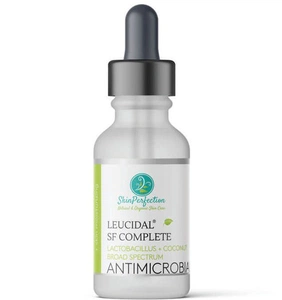
Pregnancy-safe products containing lactobacillus
sunscreen
Holika Holika
Prime Youth Intensive Toner
100/100
Skin Perfection
Skin Perfection Leucidal SF Complete With Lactobacillus And Coconut
100/100
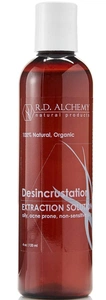
rd alchemy
rd alchemy Desincrustation Solution
100/100
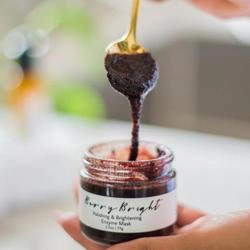
Me Time Botanicals
Me Time Botanicals Berry Bright Polishing & Brightening Enzyme Mask
100/100
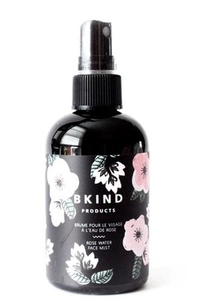
BKIND
BKIND Rose Water Face Mist
100/100
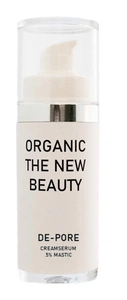
ORGANIC THE NEW BEAUTY
ORGANIC THE NEW BEAUTY de pore cremeserum .5% mastic
100/100
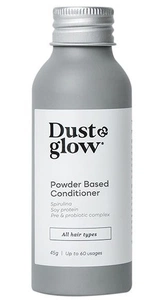
DUST & GLOW
DUST & GLOW Powder Based Conditioner
100/100
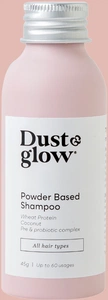
DUST & GLOW
DUST & GLOW Powder Based Shampoo
100/100
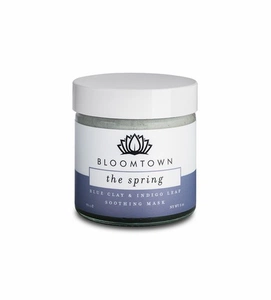
Bloomtown
Bloomtown Blue Clay Mask Soothing Bentonite & Indigo Leaf
100/100
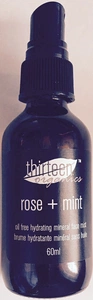
thirteen organics
thirteen organics Rose + Mint Oil Free Hydrating Mineral Mist
100/100
Related ingredients
See also
Sources & references
Authoritative references used to score this ingredient.
Frequently asked questions
- Is lactobacillus safe during pregnancy?
- No harmonised CLP reproductive classifications for Lactobacillus (ECHA Annex VI) and no CIR or SCCS safety findings indicating reproductive toxicity. Clinical/peer-reviewed literature on probiotic Lactobacillus use in pregnancy (oral administration) generally reports no teratogenic or reproductive hazards, and topical cosmetic use gives negligible systemic exposure (PubMed, CosIng; see sources).
- Is lactobacillus safe while breastfeeding?
- No evidence of reproductive or lactation-specific hazard from Lactobacillus in regulatory databases. Maternal probiotic use may alter milk microbiota in some studies but has not been shown to cause harm to breastfed infants; topical cosmetic application has negligible systemic exposure (PubMed, CosIng, EWG).
- Is lactobacillus safe for baby skin?
- No evidence of reproductive or developmental toxicity specific to topical Lactobacillus. Mechanistic reproductive concerns are not identified. Exposure rating increased to 1 for infants (0–3 yr) because infant skin has a less mature barrier and higher surface-area-to-weight ratio, so any ingredient with potential for measurable percutaneous uptake is assigned higher exposure even though topical bacteria themselves are not typically systemically absorbed (PubMed, CosIng, EWG). Note: rare risk of infection from live microorganisms in severely immunocompromised infants is described in clinical literature but not a reproductive/toxicological classification.
- How does VeriMom score lactobacillus?
- VeriMom scores lactobacillus at 100/100 (no known risks) based on EU CosIng status, ECHA hazard classifications, and peer-reviewed PubMed studies. Our scoring pipeline is fully transparent.
- What are pregnancy-safe alternatives to lactobacillus?
- See our curated list of pregnancy-safe alternatives to lactobacillus based on similar function and a no-known-risks safety band.
Check your own skincare
Paste any product's ingredient list into our free checker and see every ingredient scored against EU regulatory data and peer-reviewed research.
Open the pregnancy-safe ingredient checkerCheck every label in 2 seconds
Get VeriMom free — scan any product and see the pregnancy safety score instantly.
Medical Disclaimer
This information is for educational purposes only and does not constitute medical advice. Safety scores are based on publicly available data and may not reflect all risks. Always consult your healthcare provider before using any product during pregnancy or breastfeeding.