 VeriMom
Is hydroxystearic/linolenic/oleic polyglycerides safe during pregnancy?
Reviewed by VeriMom Editorial Team · Last reviewed
Pregnancy-Safe Ingredients Database — 28,000+ Ingredients Rated
hydroxystearic/linolenic/oleic polyglycerides
NO KNOWN RISKS100
/100
0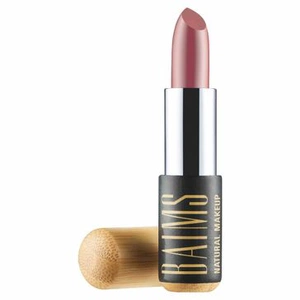
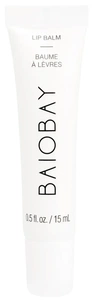
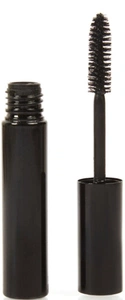
Pregnancy-safe products containing hydroxystearic/linolenic/oleic polyglycerides
Baims
Baims Batom Lipstick
99/100
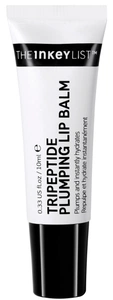
The Inkey List
The Inkey List Tripeptide Plumping Lip Balm
99/100
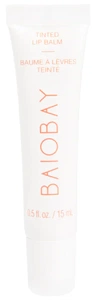
Baiobay
Baiobay Tinted lip balm
99/100
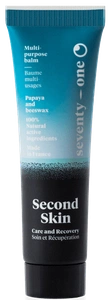
Seventyone Percent
Seventyone Percent Second Skin
98/100
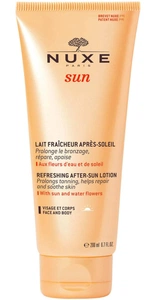
Nuxe
Nuxe Refreshing After-sun Milk
98/100
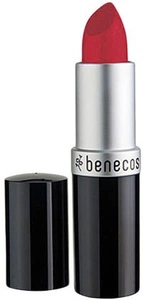
Benecos
Benecos Natural Matte Lipstick
98/100
Biossance
BIOSSANCE Squalane + Rose Vegan Lip Balm
98/100
W3LL People
W3LL People Bio Brightener Priming Serum
98/100
Baiobay
Baiobay Lip balm
98/100
Ruby's Organics
Ruby's Organics Hybrid Mascara
98/100
Related ingredients
See also
Sources & references
Authoritative references used to score this ingredient.
Frequently asked questions
- Is hydroxystearic/linolenic/oleic polyglycerides safe during pregnancy?
- No harmonised CLP reproductive classification (ECHA Annex VI) and no CIR or SCCS safety findings indicating reproductive toxicity for polyglycerol esters of fatty acids. Components (oleic/linolenic/hydroxystearic acids) are common fatty acids without H360/H361 listings; available regulatory sources do not flag reproductive hazard (ECHA C&L, CosIng, PubChem).
- Is hydroxystearic/linolenic/oleic polyglycerides safe while breastfeeding?
- Topical polyglycerol fatty acid esters are large, relatively nonvolatile emollients with low dermal systemic availability; no data indicating transfer into breast milk or breastfeeding hazard. No regulatory/safety assessments (CIR/SCCS/ECHA Annex VI) identify breastfeeding risk.
- Is hydroxystearic/linolenic/oleic polyglycerides safe for baby skin?
- No evidence of reproductive or developmental hazard in authoritative sources. Dermal absorption from topical use is expected to be low for polyglycerol esters, but infant skin barrier immaturity increases potential systemic exposure, so exposure score is increased by +1 versus adult (adult e=0 → infant e=1). No infant‑specific toxicology indicating higher hazard.
- How does VeriMom score hydroxystearic/linolenic/oleic polyglycerides?
- VeriMom scores hydroxystearic/linolenic/oleic polyglycerides at 100/100 (no known risks) based on EU CosIng status, ECHA hazard classifications, and peer-reviewed PubMed studies. Our scoring pipeline is fully transparent.
- What are pregnancy-safe alternatives to hydroxystearic/linolenic/oleic polyglycerides?
- See our curated list of pregnancy-safe alternatives to hydroxystearic/linolenic/oleic polyglycerides based on similar function and a no-known-risks safety band.
Check every label in 2 seconds
Get VeriMom free — scan any product and see the pregnancy safety score instantly.
Medical Disclaimer
This information is for educational purposes only and does not constitute medical advice. Safety scores are based on publicly available data and may not reflect all risks. Always consult your healthcare provider before using any product during pregnancy or breastfeeding.