 VeriMom
Is hydroxyethylcellulose safe during pregnancy?
Reviewed by VeriMom Editorial Team · Last reviewed
Pregnancy-Safe Ingredients Database — 28,000+ Ingredients Rated
hydroxyethylcellulose
NO KNOWN RISKS100
/100
0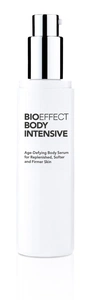
Pregnancy-safe products containing hydroxyethylcellulose
Bioeffect
Bioeffect Body Intensive
100/100
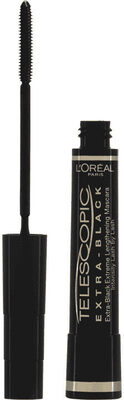
L'OREAL NORGE AS
Mascara Telescopic Carbon Black
100/100
cleansers
certex
Hand-wash Antibacterial
99/100
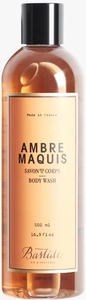
Bastide
Bastide Ambre Marquis Body Wash
99/100
Elmex
Sensitive Toothpaste with Aminfluoride
99/100
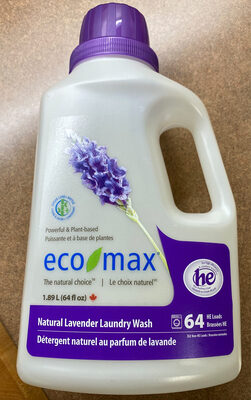
eco max • Prism
Natural Lavender Laundry Wash
99/100
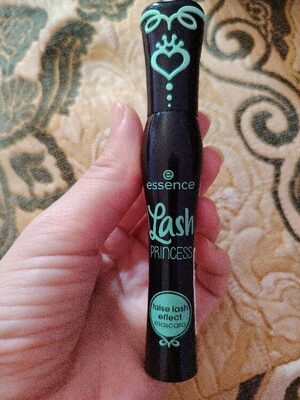
Essence
Lash princess
99/100
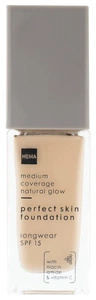
Hema
Hema Perfect Skin Foundation
99/100
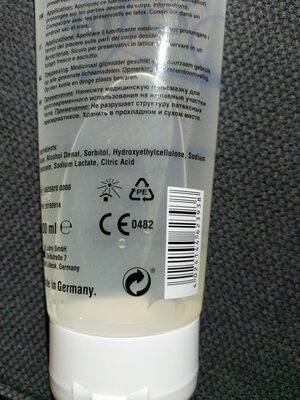
Just Glide
Just Glide
99/100
L'Oréal
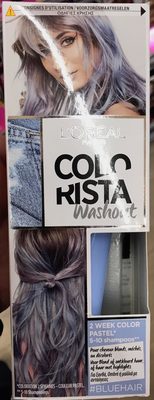
Colorista washout #bluehair
99/100
Related ingredients
See also
Sources & references
Authoritative references used to score this ingredient.
Frequently asked questions
- Is hydroxyethylcellulose safe during pregnancy?
- No harmonised CLP reproductive classification exists for hydroxyethylcellulose (ECHA Annex VI). CIR and other cosmetic safety sources treat cellulose ethers as safe for use in topical products; there are no reliable animal or human reproductive toxicity data indicating teratogenicity or reproductive hazard (PubChem/COSING summaries). As a high‑MW polymer it shows negligible dermal absorption, so exposure to systemic reproductive organs from topical use is effectively negligible.
- Is hydroxyethylcellulose safe while breastfeeding?
- No evidence of reproductive or lactation-specific toxicity, no harmonised classification, and negligible systemic absorption expected from topical cosmetic use (same rationale as pregnancy). There are no data indicating transfer into breast milk.
- Is hydroxyethylcellulose safe for baby skin?
- Hazard and mechanism: no data indicating infant‑specific reproductive or endocrine effects. Exposure: adult dermal absorption is negligible for this high‑MW polymer; however, immature infant skin can allow greater per‑body‑weight exposure, so exposure score is increased by +1 for 0–3 yr skin (measurable but still low).
- How does VeriMom score hydroxyethylcellulose?
- VeriMom scores hydroxyethylcellulose at 100/100 (no known risks) based on EU CosIng status, ECHA hazard classifications, and peer-reviewed PubMed studies. Our scoring pipeline is fully transparent.
- What are pregnancy-safe alternatives to hydroxyethylcellulose?
- See our curated list of pregnancy-safe alternatives to hydroxyethylcellulose based on similar function and a no-known-risks safety band.
Check your own skincare
Paste any product's ingredient list into our free checker and see every ingredient scored against EU regulatory data and peer-reviewed research.
Open the pregnancy-safe ingredient checkerCheck every label in 2 seconds
Get VeriMom free — scan any product and see the pregnancy safety score instantly.
Medical Disclaimer
This information is for educational purposes only and does not constitute medical advice. Safety scores are based on publicly available data and may not reflect all risks. Always consult your healthcare provider before using any product during pregnancy or breastfeeding.