 VeriMom
Is honey safe during pregnancy?
Reviewed by VeriMom Editorial Team · Last reviewed
Pregnancy-Safe Ingredients Database — 28,000+ Ingredients Rated
honey
NO KNOWN RISKS100
/100
0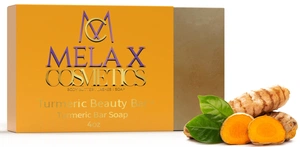
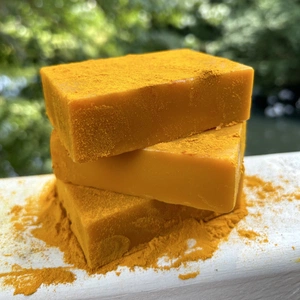
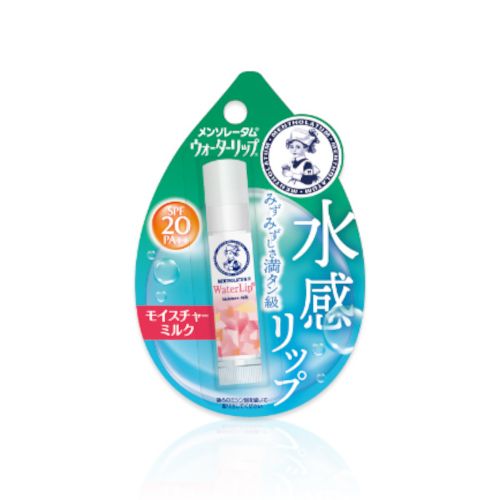
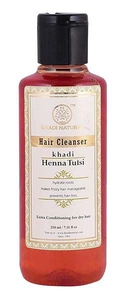
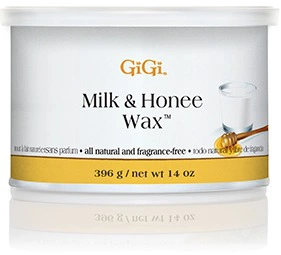
Pregnancy-safe products containing honey
Mela X Cosmetics
Mela X Cosmetics Turmeric Beauty Bar™
100/100
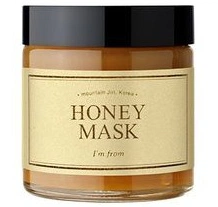
I'm From
I'm From Honey Mask
100/100
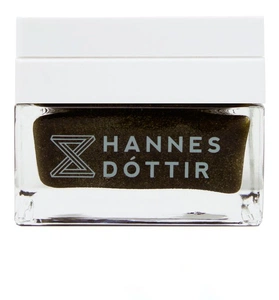
Hannes Dóttir
Hannes Dóttir Seamasque
100/100
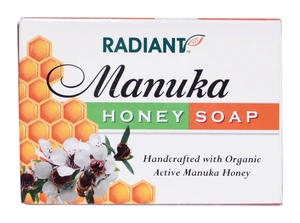
Radiant
Radiant Manuka Honey Soap
100/100
Glo Melanin
Glo Melanin Turmeric Brightening Soap (with Vitamin C, Alpha Arbutin, Oat)
100/100
Rohto Mentholatum Water Lip Balm SPF20 PA++ - 4.5g - Moisture Milk
100/100
Khadi Natural
Khadi Natural Herbal Henna Tulsi Cleanser
100/100
GiGi
Gigi Milk & Honee Wax
100/100
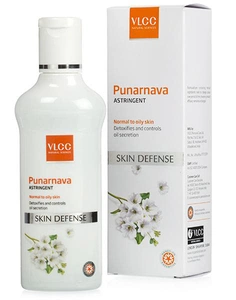
Vlcc
VLCC Astringent
100/100
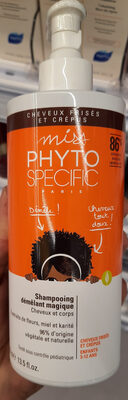
Phyto
Shampoing démêlant magique
100/100
Related ingredients
See also
Sources & references
Authoritative references used to score this ingredient.
Frequently asked questions
- Is honey safe during pregnancy?
- Honey (INCI: Mel, CAS 8028-66-8) is reviewed by the Cosmetic Ingredient Review (CIR) panel and CIR’s safety assessment of honey-derived ingredients does not identify reproductive or developmental hazards for topical cosmetic use; ECHA’s substance page for honey shows no harmonised CLP reproductive classifications. No SCCS harmonised or H360/H361 flags were found in ECHA records or CIR assessment. Referenced sources: CIR safety assessment and ECHA substance entry. ([cir-safety.org](https://www.cir-safety.org/supplementaldoc/safety-assessment-honey-ingredients-used-cosmetics?utm_source=openai))
- Is honey safe while breastfeeding?
- No evidence from CIR, ECHA, or the peer-reviewed literature indicates honey used topically in cosmetics poses reproductive or lactation hazards or systemic effects that would contraindicate use during breastfeeding. Honey’s use in cosmetics is primarily topical and CIR concluded honey-derived ingredients are safe as used; no mechanistic or clinical data indicate transfer via breastmilk from topical cosmetic use. ([cir-safety.org](https://www.cir-safety.org/supplementaldoc/safety-assessment-honey-ingredients-used-cosmetics?utm_source=openai))
- Is honey safe for baby skin?
- No evidence of infant-specific reproductive or developmental toxicity in the reviewed sources. However, because infant skin (0–3 y) has a higher absorption potential, exposure score is increased by +1 relative to adults: honey itself is not classified as systemically hazardous but topical use on infant skin can increase measurable exposure; additionally the CIR assessment and EWG note possible allergic/contact reactions in some individuals (rare). No infant-specific systemic hazard studies were identified. ([cir-safety.org](https://www.cir-safety.org/supplementaldoc/safety-assessment-honey-ingredients-used-cosmetics?utm_source=openai))
- How does VeriMom score honey?
- VeriMom scores honey at 100/100 (no known risks) based on EU CosIng status, ECHA hazard classifications, and peer-reviewed PubMed studies. Our scoring pipeline is fully transparent.
- What are pregnancy-safe alternatives to honey?
- See our curated list of pregnancy-safe alternatives to honey based on similar function and a no-known-risks safety band.
Check your own skincare
Paste any product's ingredient list into our free checker and see every ingredient scored against EU regulatory data and peer-reviewed research.
Open the pregnancy-safe ingredient checkerCheck every label in 2 seconds
Get VeriMom free — scan any product and see the pregnancy safety score instantly.
Medical Disclaimer
This information is for educational purposes only and does not constitute medical advice. Safety scores are based on publicly available data and may not reflect all risks. Always consult your healthcare provider before using any product during pregnancy or breastfeeding.