 VeriMom
Is glycogen safe during pregnancy?
Reviewed by VeriMom Editorial Team · Last reviewed
Pregnancy-Safe Ingredients Database — 28,000+ Ingredients Rated
glycogen
NO KNOWN RISKS100
/100
0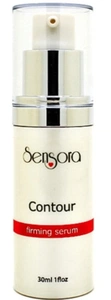
Pregnancy-safe products containing glycogen
Sensora
Sensora Contour Serum – Jawline Remodelling
99/100
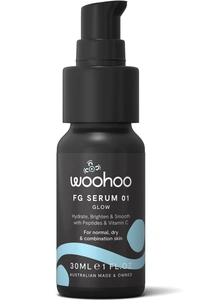
Woohoo
Woohoo FG Serum 01 - Glow
99/100
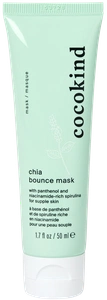
cocokind
Cocokind Chia Bounce Mask
99/100
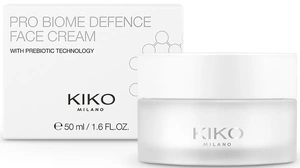
Kiko Milano
KIKO Milano Pro Biome Defence Face Cream
98/100
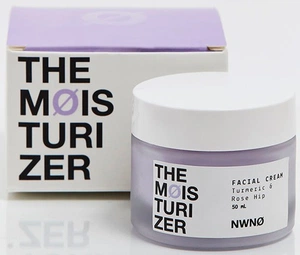
Nwno
Nwno The Møisturizer
98/100
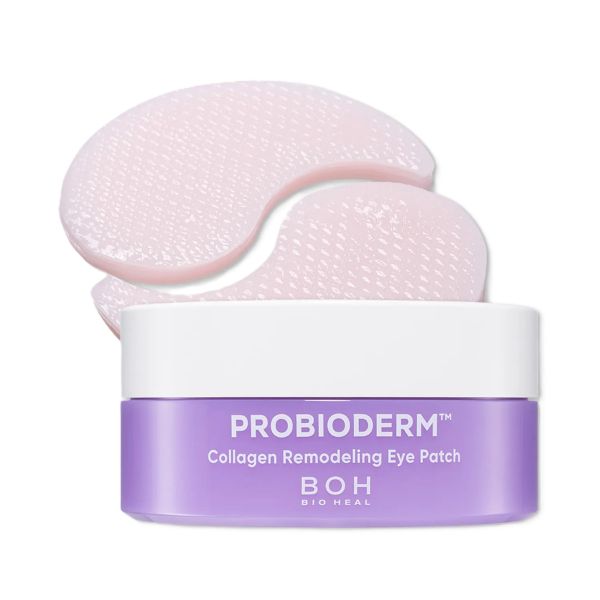
BIOHEAL BOH Probioderm Collagen Remodeling Eye Patch - 60ea
98/100
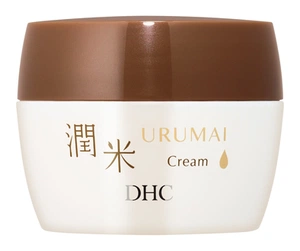
DHC
DHC Urumai Cream
98/100
Kiko Milano
KIKO Milano Pro Biome Defence Drops
98/100
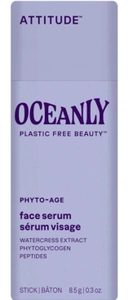
ATTITUDE
Attitude Oceanly Phyto-age Face Serum Stick
98/100
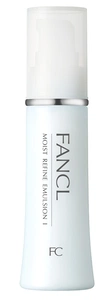
Fancl
Fancl Moist Refine Emulsion I
98/100
Related ingredients
See also
Sources & references
Authoritative references used to score this ingredient.
Frequently asked questions
- Is glycogen safe during pregnancy?
- Glycogen (CAS 9005-79-2) is a large endogenous branched glucose polymer; there is no harmonised CLP reproductive classification, no SCCS/CIR safety assessment specific to glycogen found, and no peer‑reviewed evidence that topically applied glycogen causes reproductive toxicity. ECHA lists the substance (no harmonised classification). PubMed literature on glycogen relates to its physiological role (e.g., placental/ tissue glycogen) rather than topical toxicity. ([echa.europa.eu](https://echa.europa.eu/substance-information/-/substanceinfo/100.029.700?utm_source=openai))
- Is glycogen safe while breastfeeding?
- No evidence that topical glycogen poses hazards to lactation or nursing infants. Glycogen is an endogenous, high‑molecular‑weight polysaccharide; there are no reports of systemic reproductive or lactational toxicity from topical use in the sources searched (no SCCS/CIR opinion, no harmonised CLP). ([echa.europa.eu](https://echa.europa.eu/substance-information/-/substanceinfo/100.029.700?utm_source=openai))
- Is glycogen safe for baby skin?
- Hazard and mechanism: no evidence of intrinsic developmental/teratogenic hazard or endocrine activity. Exposure: because glycogen is a very large, highly hydrophilic polymer it is expected to have negligible dermal penetration in adults; for infants (0–3 yr) immature barrier and higher surface‑area‑to‑weight justify a conservative small increase in exposure score (+1) though still low absolute absorption. No infant‑specific adverse data were found. ([pubchem.ncbi.nlm.nih.gov](https://pubchem.ncbi.nlm.nih.gov/compound/Glycogen))
- How does VeriMom score glycogen?
- VeriMom scores glycogen at 100/100 (no known risks) based on EU CosIng status, ECHA hazard classifications, and peer-reviewed PubMed studies. Our scoring pipeline is fully transparent.
- What are pregnancy-safe alternatives to glycogen?
- See our curated list of pregnancy-safe alternatives to glycogen based on similar function and a no-known-risks safety band.
Check your own skincare
Paste any product's ingredient list into our free checker and see every ingredient scored against EU regulatory data and peer-reviewed research.
Open the pregnancy-safe ingredient checkerCheck every label in 2 seconds
Get VeriMom free — scan any product and see the pregnancy safety score instantly.
Medical Disclaimer
This information is for educational purposes only and does not constitute medical advice. Safety scores are based on publicly available data and may not reflect all risks. Always consult your healthcare provider before using any product during pregnancy or breastfeeding.