 VeriMom
Is decarboxy carnosine hcl safe during pregnancy?
Reviewed by VeriMom Editorial Team · Last reviewed
Pregnancy-Safe Ingredients Database — 28,000+ Ingredients Rated
decarboxy carnosine hcl
NO KNOWN RISKS100
/100
0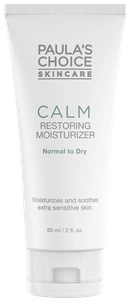
Pregnancy-safe products containing decarboxy carnosine hcl
Paula's Choice
Paula's Choice Calm Redness Moisturizer
99/100
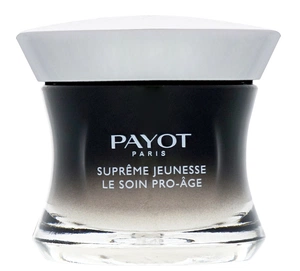
payot
Payot Supreme Jeunesse Le Soin Pro Age
97/100
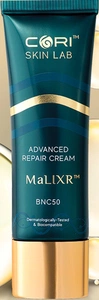
Cori Skin Lab
Cori Skin Lab MaLIXR Advanced Repair Cream
97/100
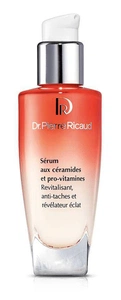
Dr Pierre Ricaud
Dr. Pierre Ricaud Serum Mit Ceramiden Und Provitaminen
97/100
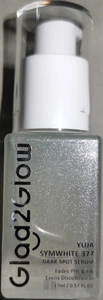
Glad2Glow
Glad2Glow Yuja Symwhite 377 Serum
97/100
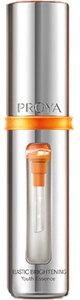
Proya
Proya Elastic Brightening Youth Essence
87/100
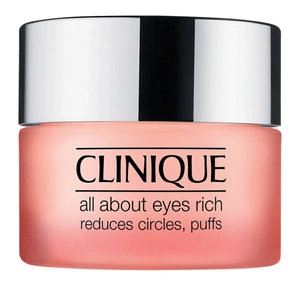
Clinique
Clinique All About Eyes Eye Cream Rich
87/100
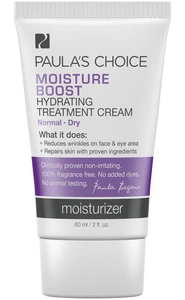
Paula's Choice
Paula's Choice Moisture Boost Hydrating Treatment Cream
87/100
Clinique
Anti Age Eye Cream
87/100
Clinique
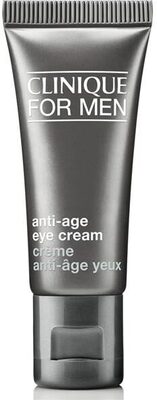
Clinique For Men™ Anti-Age Eye Cream
87/100
Related ingredients
See also
Sources & references
Authoritative references used to score this ingredient.
Frequently asked questions
- Is decarboxy carnosine hcl safe during pregnancy?
- No harmonised reproductive or developmental classification found (no ECHA Annex VI H360/H361). PubChem GHS listing shows skin/eye/respiratory hazard notifications (H315, H318, H335) but these are aggregated non‑harmonised notifications and do not indicate reproductive hazard. No peer‑reviewed reproductive or developmental studies located in available sources (PubMed/CIR/SCCS). Therefore default hazard and mechanism scores are 0 and expected topical exposure is negligible for pregnancy.
- Is decarboxy carnosine hcl safe while breastfeeding?
- No evidence of reproductive or lactation toxicity in authoritative lists. No data indicating mammary transfer or systemic reproductive toxicity. Predicted dermal systemic exposure from topical cosmetic use is low, so breastfeeding exposure is expected to be negligible.
- Is decarboxy carnosine hcl safe for baby skin?
- No infant‑specific reproductive/toxicology data found. Peptide‑like, hydrophilic substances generally have low dermal penetration, so hazard and mechanism remain 0. However, infant skin has higher permeability; in absence of definitive dermal absorption data, exposure score increased by +1 for 0–3 yr to reflect potentially higher per‑kg uptake.
- How does VeriMom score decarboxy carnosine hcl?
- VeriMom scores decarboxy carnosine hcl at 100/100 (no known risks) based on EU CosIng status, ECHA hazard classifications, and peer-reviewed PubMed studies. Our scoring pipeline is fully transparent.
- What are pregnancy-safe alternatives to decarboxy carnosine hcl?
- See our curated list of pregnancy-safe alternatives to decarboxy carnosine hcl based on similar function and a no-known-risks safety band.
Check every label in 2 seconds
Get VeriMom free — scan any product and see the pregnancy safety score instantly.
Medical Disclaimer
This information is for educational purposes only and does not constitute medical advice. Safety scores are based on publicly available data and may not reflect all risks. Always consult your healthcare provider before using any product during pregnancy or breastfeeding.