 VeriMom
Is cocamidopropyl betaine safe during pregnancy?
Reviewed by VeriMom Editorial Team · Last reviewed
Pregnancy-Safe Ingredients Database — 28,000+ Ingredients Rated
cocamidopropyl betaine
NO KNOWN RISKS93
/100
0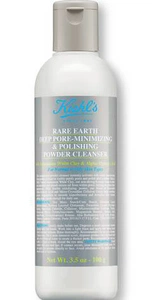
Pregnancy-safe products containing cocamidopropyl betaine
Kiehl's
Kiehl’s Rare Earth Deep Pore-minimizing Polishing Powder Cleanser
100/100
Irish Spring
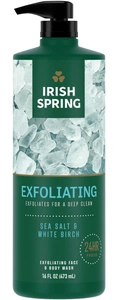
Irish Spring Exfoliating Face & Body Wash
100/100
Ziaja
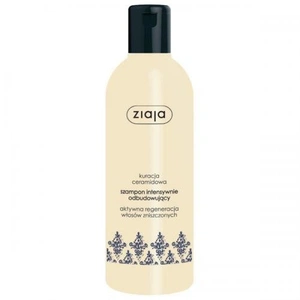
Ziaja Hair Shampoo Intensive Ceramides
99/100
henkel
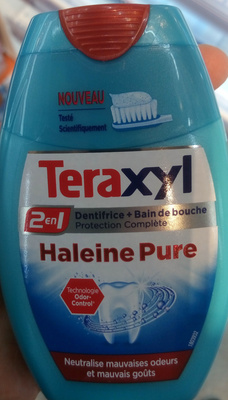
Haleine pure
99/100
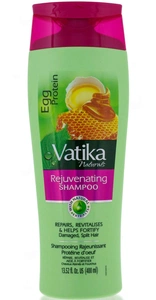
Dabur Vatika
Dabur Vatika Shampoo
99/100
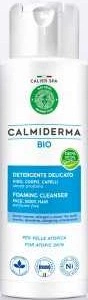
CALIER SPA
CALIER SPA Calmiderma Bio Foaming Cleanser Body And Face
99/100
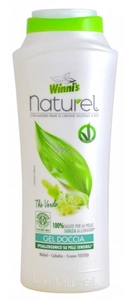
Winni's
Winni's Gel Doccia Thè Verde
99/100
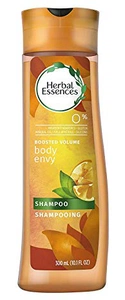
Herbal Essences
Herbal Essences Body Envy Volumizing Shampoo
99/100
Unknown
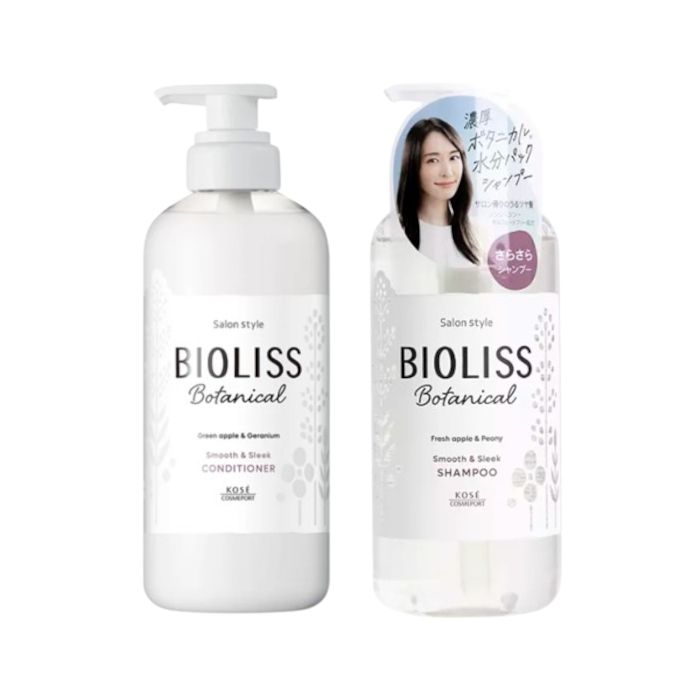
Unknown Bioliss Botanical Smooth & Sleek Shampoo + Conditioner
99/100
unilever
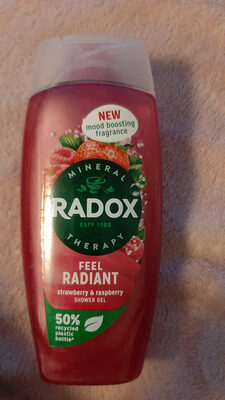
Radox strawberry and rasberry shower gel
99/100
Related ingredients
See also
Sources & references
Authoritative references used to score this ingredient.
Frequently asked questions
- Is cocamidopropyl betaine safe during pregnancy?
- No harmonised reproductive classification (ECHA Annex VI) and CIR concluded CAPB is safe as used in cosmetics; peer-reviewed data do not indicate developmental or reproductive toxicity. Dermal cosmetics use has low but measurable systemic exposure potential, so exposure is low (CIR/ECHA registration data).
- Is cocamidopropyl betaine safe while breastfeeding?
- No evidence of reproductive or lactation-specific toxicity; low systemic absorption from topical use makes transfer into breastmilk unlikely but measurable exposure cannot be fully excluded (CIR, ECHA registration dossiers).
- Is cocamidopropyl betaine safe for baby skin?
- Hazard and mechanism evidence for reproductive or developmental toxicity are lacking. Because infant skin has higher permeability and higher surface-area-to-weight ratio, exposure score is increased by +1 relative to adults (CIR guidance and general dermal absorption principles); CAPB itself is not strongly systemically bioavailable following typical topical use.
- How does VeriMom score cocamidopropyl betaine?
- VeriMom scores cocamidopropyl betaine at 93/100 (no known risks) based on EU CosIng status, ECHA hazard classifications, and peer-reviewed PubMed studies. Our scoring pipeline is fully transparent.
- What are pregnancy-safe alternatives to cocamidopropyl betaine?
- See our curated list of pregnancy-safe alternatives to cocamidopropyl betaine based on similar function and a no-known-risks safety band.
Check your own skincare
Paste any product's ingredient list into our free checker and see every ingredient scored against EU regulatory data and peer-reviewed research.
Open the pregnancy-safe ingredient checkerCheck every label in 2 seconds
Get VeriMom free — scan any product and see the pregnancy safety score instantly.
Medical Disclaimer
This information is for educational purposes only and does not constitute medical advice. Safety scores are based on publicly available data and may not reflect all risks. Always consult your healthcare provider before using any product during pregnancy or breastfeeding.