 VeriMom
Is cetearyl glucoside safe during pregnancy?
Reviewed by VeriMom Editorial Team · Last reviewed
Pregnancy-Safe Ingredients Database — 28,000+ Ingredients Rated
cetearyl glucoside
NO KNOWN RISKS100
/100
0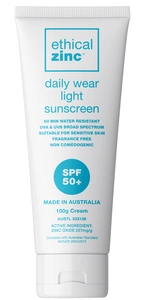
Pregnancy-safe products containing cetearyl glucoside
Ethical Zinc
Ethical Zinc Daily Wear Light Sunscreen Spf 50
100/100
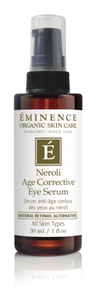
Eminence
Eminence Organics Neroli Age Corrective Eye Serum
100/100
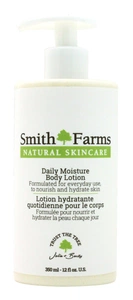
Smith Farms Natural Skincare
Smith Farms Natural Skincare Daily Moisture Body Lotion
100/100
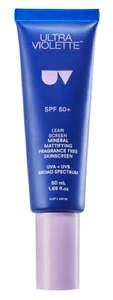
Ultra Violette
Ultra Violette Lean Screen SPF 50+
100/100
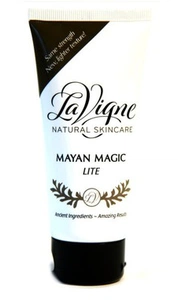
LaVigne Natural Skincare
LaVigne Natural Skincare Mayan Magic Lite – Tepezco 20%
100/100
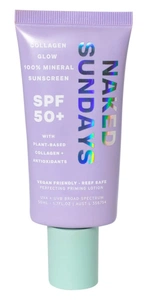
Naked Sundays
Naked Sundays SPF50+ Collagen Glow 100% Mineral Perfecting Priming Lotion
100/100
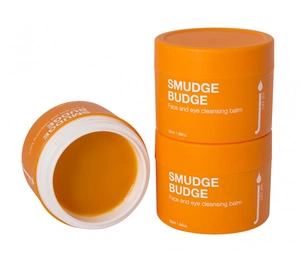
Skin Juice
Skin Juice Smudge Budge Face & Eye
100/100
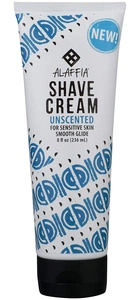
Alaffia
Alaffia Shave Cream Unscented For Sensitive Skin
100/100
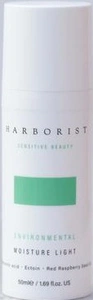
Harborist
Harborist Environmental Moisture Light
99/100
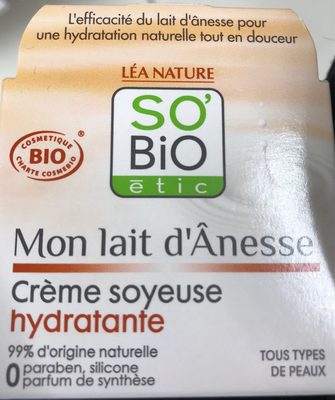
So Bio
Beauté & Hygiène / Soins Du Visage / Soins Hydratants Visage
99/100
Related ingredients
See also
Sources & references
Authoritative references used to score this ingredient.
Frequently asked questions
- Is cetearyl glucoside safe during pregnancy?
- No harmonised reproductive or developmental classification listed in ECHA Annex VI for cetearyl glucoside, and no SCCS or CIR reproductive safety warnings found in available regulatory sources. PubChem / ECHA dossiers do not report reproductive toxicity studies indicating hazard. Cosmetic databases (CosIng) list it as a commonly used non‑ionic surfactant/emulsifier with no pregnancy contraindication.
- Is cetearyl glucoside safe while breastfeeding?
- No data indicating reproductive or lactation-related hazards, no harmonised CLP classifications or SCCS/CIR opinions flagging lactation transfer or toxicity. As a high‑molecular‑weight, hydrophilic nonionic surfactant it is not expected to have significant systemic availability from normal topical use.
- Is cetearyl glucoside safe for baby skin?
- No evidence of developmental or reproductive toxicity for infants. Given its surfactant nature and moderate molecular size, dermal absorption in adults is expected to be negligible (adult e=0), but infant skin has higher absorption potential—so exposure score increased by +1 for 0–3 yr (e=1). No infant‑specific toxicity data found.
- How does VeriMom score cetearyl glucoside?
- VeriMom scores cetearyl glucoside at 100/100 (no known risks) based on EU CosIng status, ECHA hazard classifications, and peer-reviewed PubMed studies. Our scoring pipeline is fully transparent.
- What are pregnancy-safe alternatives to cetearyl glucoside?
- See our curated list of pregnancy-safe alternatives to cetearyl glucoside based on similar function and a no-known-risks safety band.
Check your own skincare
Paste any product's ingredient list into our free checker and see every ingredient scored against EU regulatory data and peer-reviewed research.
Open the pregnancy-safe ingredient checkerCheck every label in 2 seconds
Get VeriMom free — scan any product and see the pregnancy safety score instantly.
Medical Disclaimer
This information is for educational purposes only and does not constitute medical advice. Safety scores are based on publicly available data and may not reflect all risks. Always consult your healthcare provider before using any product during pregnancy or breastfeeding.