 VeriMom
biotin hamilelikte güvenli mi?
Reviewed by VeriMom Editorial Team · Last reviewed
İçerikler
biotin
BILINEN RISK YOK100
/100
0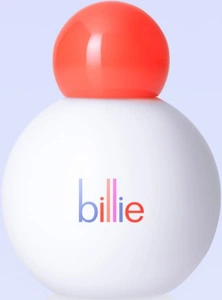
Pregnancy-safe products containing biotin
Billie
Billie Floof Dry Shampoo (dark)
100/100
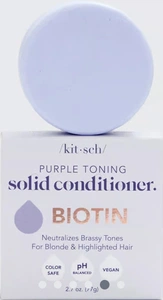
Kitsch
Kitsch Biotin Purple Toning Solid Conditioner Bar
100/100
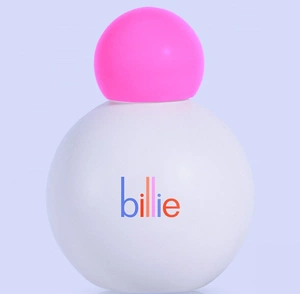
Billie
Billie Floof Dry Shampoo (light)
100/100
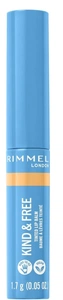
Rimmel London
Rimmel London Kind & Free Tinted Lip Balm
100/100
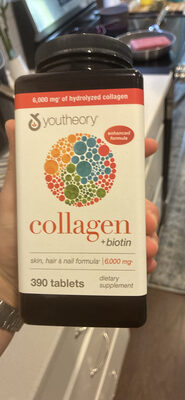
Youtheory
Collagen + Biotin
100/100
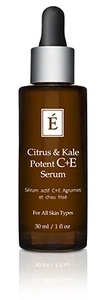
Eminence
Eminence Citrus & Kale Potent C+E Serum
100/100
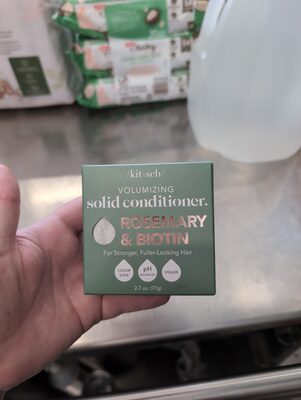
Kitsch
Rosemary and Biotin volumizing solid conditioner
100/100
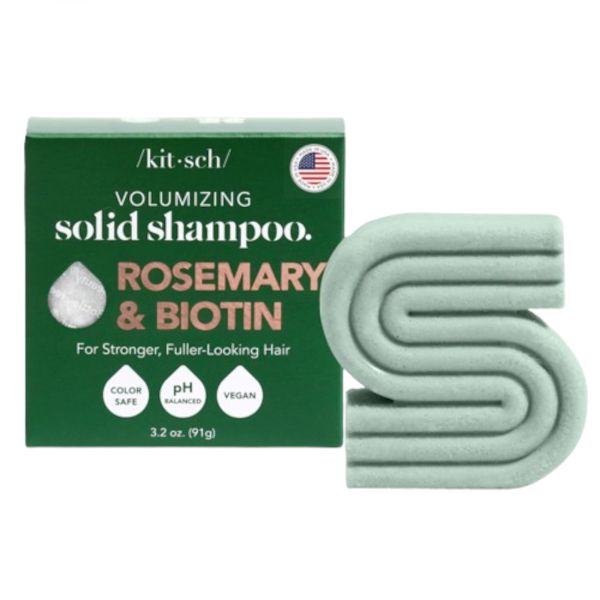
Kitsch
KITSCH Rosemary & Biotin Volumizing Shampoo Bar - 91g
100/100
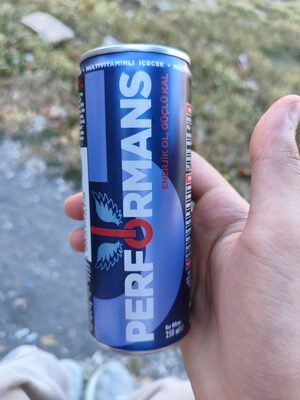
Performans Enerji İçeceği
Performans Enerji İçeceği
100/100
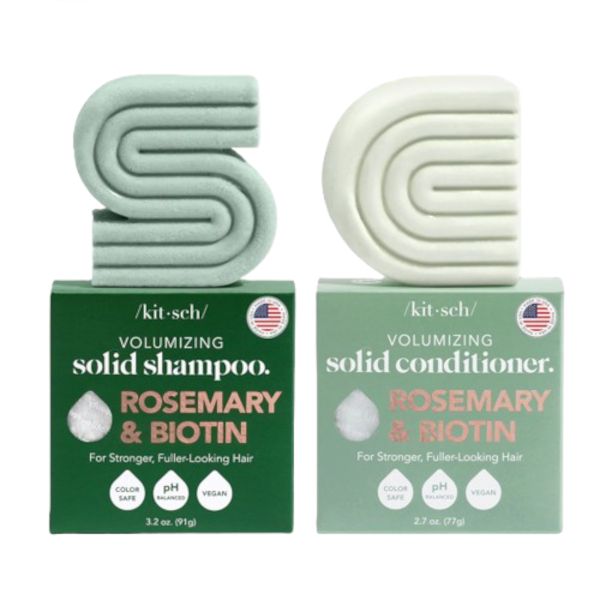
Kitsch
KITSCH Rosemary & Biotin Volumizing Shampoo & Conditioner Combo - 91g+77g
100/100
Related ingredients
Ayrıca bakın
Sources & references
Authoritative references used to score this ingredient.
Frequently asked questions
- biotin hamilelikte güvenli mi?
- Biotin (vitamin B7, CAS 58-85-5) is not listed with a harmonised reproductive hazard (no H360/H361) in ECHA Annex VI and there is no authoritative safety assessment indicating reproductive toxicity from topical cosmetic use. Human clinical literature deals with oral supplementation and deficiency correction, not teratogenicity; no evidence of biotin as a reproductive toxicant was identified (ECHA Annex VI; PubMed; PubChem).
- biotin emzirirken güvenli mi?
- No harmonised classification or authoritative reports indicate biotin causes reproductive or lactation-related harm. Biotin is a normal constituent of human nutrition and is present in breast milk when supplemented orally; there is no evidence that cosmetic topical use poses a hazard to breastfeeding infants (PubMed; PubChem; ECHA registration information).
- biotin bebek cildi için güvenli mi?
- No evidence of developmental or reproductive hazard specific to infants. Mechanistic data do not indicate reproductive endocrine disruption. Dermal absorption of biotin (a small, water-soluble vitamin) from cosmetics is expected to be low/negligible in adults (therefore adult e = 0), but infant skin has higher surface-area-to-weight and a less mature barrier; accordingly exposure score is increased by +1 for babies (e = 1). No infant-specific studies showing harm from topical biotin were identified (PubChem; PubMed; ECHA).
- VeriMom biotin nasıl puanlıyor?
- VeriMom biotin'yi EU CosIng, ECHA sınıflandırmaları ve PubMed çalışmalarına göre 100/100 (bilinen risk yok) olarak puanlar.
- Hamilelikte biotin yerine neler kullanılabilir?
- Benzer işlevli ve bilinen riski olmayan alternatifleri içeren listemize bakın.
Kendi cilt bakım ürünlerini kontrol et
Herhangi bir ürünün içindekiler listesini ücretsiz kontrol aracımıza yapıştır ve her bileşeni AB düzenleyici verileri ve hakemli araştırmalara göre puanlanmış olarak gör.
Gebelikte güvenli içerik denetleyicisini açHer etiketi 2 saniyede kontrol et
VeriMom'u ücretsiz indirin — herhangi bir ürünü tarayın ve hamilelik güvenlik puanını anında görün.
Tıbbi Sorumluluk Reddi
Bu bilgiler yalnızca eğitim amaçlıdır ve tıbbi tavsiye niteliği taşımaz. Güvenlik puanları kamuya açık verilere dayanmaktadır ve tüm riskleri yansıtmayabilir. Hamilelik veya emzirme döneminde herhangi bir ürünü kullanmadan önce her zaman sağlık uzmanınıza danışın.