 VeriMom
Is beta-sitosterol safe during pregnancy?
Reviewed by VeriMom Editorial Team · Last reviewed
Pregnancy-Safe Ingredients Database — 28,000+ Ingredients Rated
beta-sitosterol
NO KNOWN RISKS100
/100
0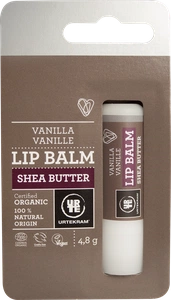
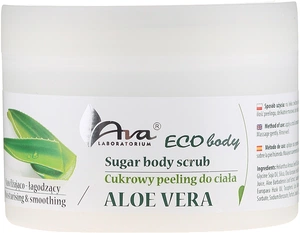
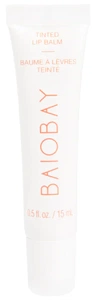
Pregnancy-safe products containing beta-sitosterol
Urtekram
Urtekram Vanilla Shea Butter Lip Balm
99/100
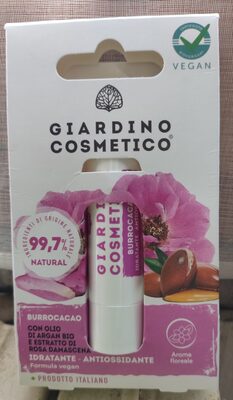
Giardino Cosmetico
Burrocacao
99/100
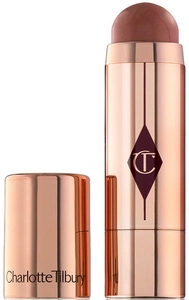
Charlotte Tilbury
Charlotte Tilbury Beach Stick
99/100
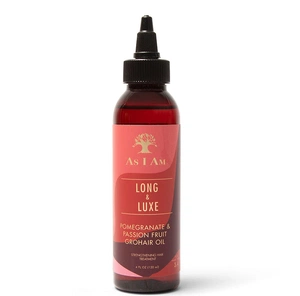
As i am
As I Am Long And Luxe Grohair Oil
99/100
Freshly Cosmetics
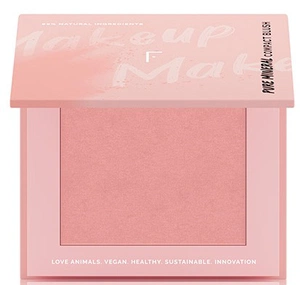
Freshly Cosmetics Pure Mineral Compact Blush
99/100
Baiobay
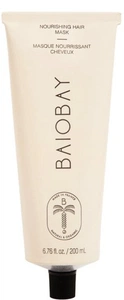
Baiobay Nourishing Hair Mask
99/100
Freshly Cosmetics
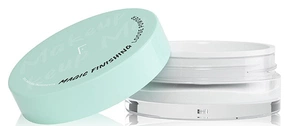
Freshly Cosmetics Magic Finishing Loose Powder
99/100
Hey Honey
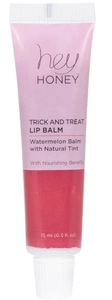
Hey Honey Trick And Treat Lip Balm With Natural Tint
99/100
Ava Laboratorium
Ava Laboratorium Eco Body Sugar Body Scrub Aloe Vera
99/100
Baiobay
Baiobay Tinted lip balm
99/100
Related ingredients
See also
Sources & references
Authoritative references used to score this ingredient.
Frequently asked questions
- Is beta-sitosterol safe during pregnancy?
- CIR reviews of phytosterols note general cosmetic safety but some animal data show reproductive/embryotoxic effects at high or non-oral exposures; recent peer‑reviewed animal studies (mink, rodents, and a 2024 mouse study) report effects on reproductive endpoints, and beta‑sitosterol has demonstrated phytoestrogen/sex‑hormone‑modulating activity—so reproductive hazard is suspected (h=2) with a demonstrated mechanism (m=2). Topical cosmetic use gives low but measurable systemic exposure (e=1), much lower than doses in the animal studies; no harmonised CLP (ECHA Annex VI) classification was found. Sources: CIR phytosterol assessment; mink and rodent reproductive studies; recent 2024 mouse study; ECHA registration absence of harmonised classification.
- Is beta-sitosterol safe while breastfeeding?
- Same rationale as pregnancy: animal evidence of reproductive effects and demonstrated hormone/immune modulation suggest suspected hazard (h=2) with a demonstrated mechanism (m=2). Systemic transfer to milk after topical cosmetic use is expected to be low but measurable (e=1)—clinical human lactation transfer data are lacking.
- Is beta-sitosterol safe for baby skin?
- No infant‑specific data showing reproductive or developmental toxicity from topical exposure; per instructions we do not increase hazard/mechanistic scores without infant‑specific evidence (h=0,m=0). Beta‑sitosterol is lipophilic with measurable but limited dermal absorption in adults (adult e≈1), and immature infant skin increases exposure — therefore exposure for baby skin is raised by +1 to e=2 (low→moderate). CIR and CosIng list beta‑sitosterol for topical use with no specific concentration restrictions in cosmetics.
- How does VeriMom score beta-sitosterol?
- VeriMom scores beta-sitosterol at 100/100 (no known risks) based on EU CosIng status, ECHA hazard classifications, and peer-reviewed PubMed studies. Our scoring pipeline is fully transparent.
- What are pregnancy-safe alternatives to beta-sitosterol?
- See our curated list of pregnancy-safe alternatives to beta-sitosterol based on similar function and a no-known-risks safety band.
Check your own skincare
Paste any product's ingredient list into our free checker and see every ingredient scored against EU regulatory data and peer-reviewed research.
Open the pregnancy-safe ingredient checkerCheck every label in 2 seconds
Get VeriMom free — scan any product and see the pregnancy safety score instantly.
Medical Disclaimer
This information is for educational purposes only and does not constitute medical advice. Safety scores are based on publicly available data and may not reflect all risks. Always consult your healthcare provider before using any product during pregnancy or breastfeeding.