 VeriMom
ascorbic acid hamilelikte güvenli mi?
Reviewed by VeriMom Editorial Team · Last reviewed
İçerikler
ascorbic acid
BILINEN RISK YOK93
/100
0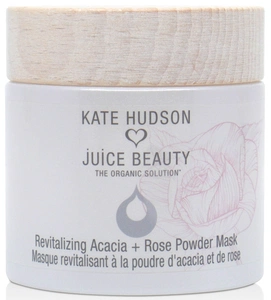
Pregnancy-safe products containing ascorbic acid
Juice Beauty
Juice Beauty Revitalizing Acacia + Rose Powder Mask
100/100
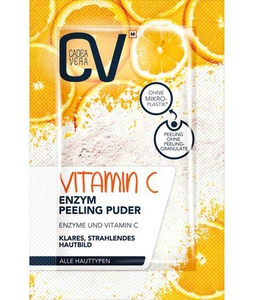
CadeaVera
CadeaVera CV Vitamin C Enzym Peeling Puder
99/100
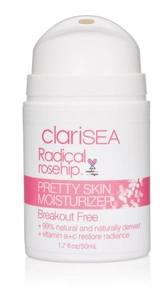
ClariSea
ClariSea Pretty Skin Moisturizer
99/100
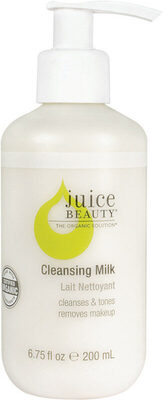
Juice Beauty
Cleansing Milk
99/100
cleansers
certex
Hand-wash Antibacterial
99/100
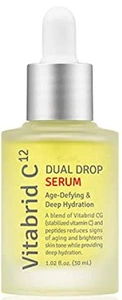
Vitabrid C12
Vitabrid C12 Vitamin C Dual Drop Serum
99/100
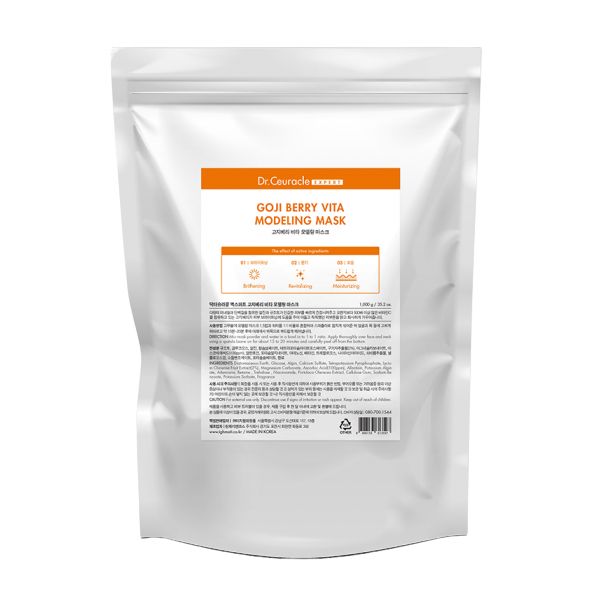
Dr.Ceuracle Goji Berry Vita Modeling Mask - 1000g
99/100
Edible Beauty
Edible Beauty Tumeric Beauty Latte
99/100
Amara Beauty
Amara Beauty Aloe Vera Gel
99/100
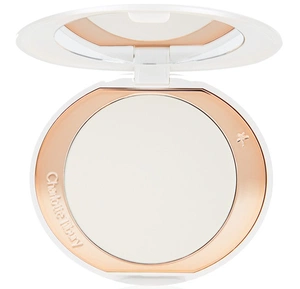
Charlotte Tilbury
Charlotte Tilbury Airbrush Brightening Flawless Finish Powder
99/100
Related ingredients
Ayrıca bakın
Sources & references
Authoritative references used to score this ingredient.
Frequently asked questions
- ascorbic acid hamilelikte güvenli mi?
- Ascorbic acid (vitamin C, CAS 50-81-7) is not assigned a harmonised reproductive hazard (no H360/H361 in ECHA Annex VI) and has been assessed as safe for cosmetic topical use by expert panels (CIR). Mechanistically it is an antioxidant/vitamin with no established reproductive endocrine mode of action. Topical exposure can result in low but measurable systemic absorption for a small, water‑soluble molecule, so exposure is scored low (e=1). Sources: CIR safety assessment, ECHA Annex VI (no harmonised repro classification), PubChem, PubMed literature on topical vitamin C.
- ascorbic acid emzirirken güvenli mi?
- No evidence of reproductive or lactation-specific hazard; no harmonised classification. Ascorbic acid is transferred into plasma when systemically present and can be present in milk if maternal systemic levels are elevated, but topical cosmetic use results in low measurable systemic exposure, so exposure is scored low (e=1). Sources: CIR, PubMed, PubChem.
- ascorbic acid bebek cildi için güvenli mi?
- No infant-specific evidence of reproductive or developmental toxicity from topical ascorbic acid; mechanism remains non‑endocrine. Because infant skin has higher surface-area-to-weight and an immature barrier, topical measurable absorption leads to an increased exposure score (+1 vs adult), giving e=2. No data justify increasing hazard or mechanism scores for infants. Sources: CIR, PubMed, CosIng, general dermal absorption principles.
- VeriMom ascorbic acid nasıl puanlıyor?
- VeriMom ascorbic acid'yi EU CosIng, ECHA sınıflandırmaları ve PubMed çalışmalarına göre 93/100 (bilinen risk yok) olarak puanlar.
- Hamilelikte ascorbic acid yerine neler kullanılabilir?
- Benzer işlevli ve bilinen riski olmayan alternatifleri içeren listemize bakın.
Kendi cilt bakım ürünlerini kontrol et
Herhangi bir ürünün içindekiler listesini ücretsiz kontrol aracımıza yapıştır ve her bileşeni AB düzenleyici verileri ve hakemli araştırmalara göre puanlanmış olarak gör.
Gebelikte güvenli içerik denetleyicisini açHer etiketi 2 saniyede kontrol et
VeriMom'u ücretsiz indirin — herhangi bir ürünü tarayın ve hamilelik güvenlik puanını anında görün.
Tıbbi Sorumluluk Reddi
Bu bilgiler yalnızca eğitim amaçlıdır ve tıbbi tavsiye niteliği taşımaz. Güvenlik puanları kamuya açık verilere dayanmaktadır ve tüm riskleri yansıtmayabilir. Hamilelik veya emzirme döneminde herhangi bir ürünü kullanmadan önce her zaman sağlık uzmanınıza danışın.