 VeriMom
Безопасен ли anthemis nobilis flower extract при беременности?
Reviewed by VeriMom Editorial Team · Last reviewed
Ингредиенты
anthemis nobilis flower extract
БЕЗ ИЗВЕСТНЫХ РИСКОВ93
/100
0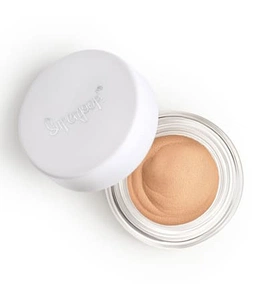
Pregnancy-safe products containing anthemis nobilis flower extract
Supergoop!
Supergoop! Shimmershade Illuminating Cream Eyeshadow Spf 30
100/100
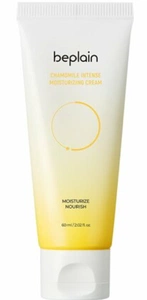
Be Plain
Be Plain Chamomile Intense Moisturizing Cream
99/100
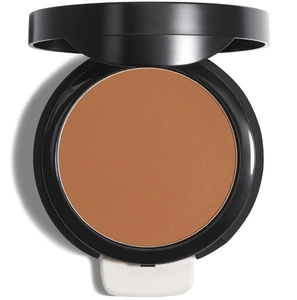
Younique
Younique Touch Complexion+ Pressed Powder Foundation
99/100
Lacer
Bebé bálsamo gingival
99/100
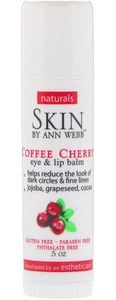
Skin By Ann Webb
Skin By Ann Webb Eye & Lip Balm, Coffee Cherry
99/100
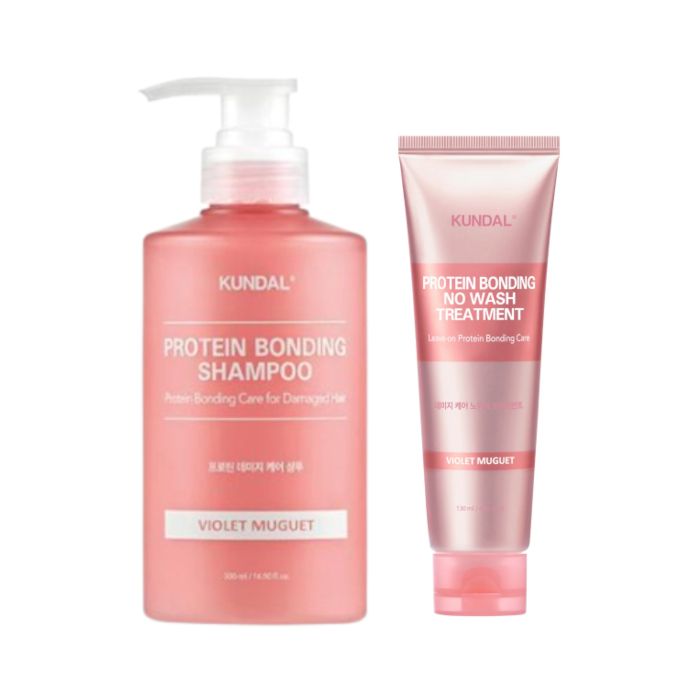
Kundal
KUNDAL Protein Bonding Shampoo 500ml + No Wash Treatment 130ml Set - Violet Muguet
98/100
L’BRI
L’BRI Deep Pore Freshener
98/100
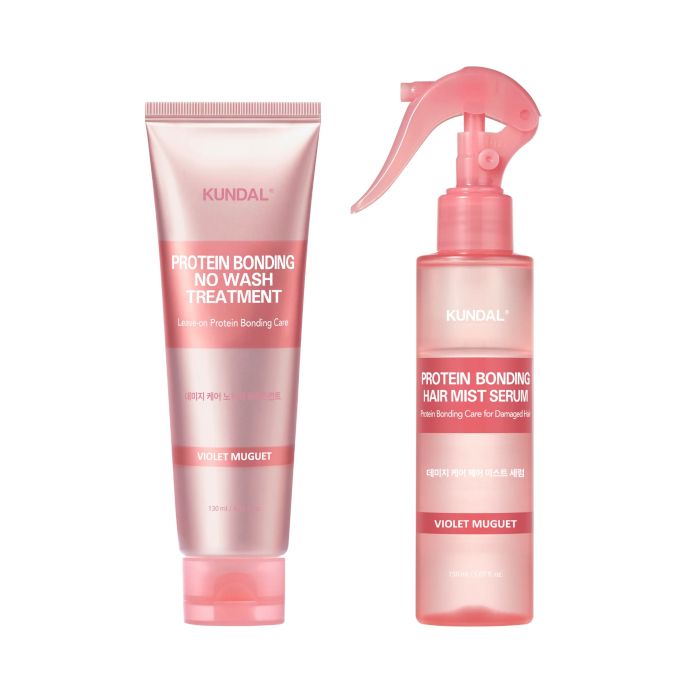
Kundal
KUNDAL Protein Bonding Care No Wash Treatment 130ml + Hair Mist 130ml Set - Violet Muguet
98/100
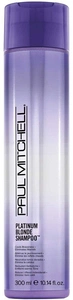
Paul Mitchell
Paul Mitchell Platinum Blonde Shampoo
98/100
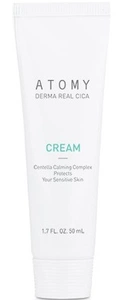
Atomy
Atomy Derma Real Cica Cream
98/100
Related ingredients
См. также
Sources & references
Authoritative references used to score this ingredient.
Frequently asked questions
- Безопасен ли anthemis nobilis flower extract при беременности?
- No harmonised CLP reproductive classification for Anthemis nobilis flower extract (ECHA Annex VI has no H360/H361 entry). Regulatory/industry safety assessments and databases (CIR/SCCS absence of adverse flags; EWG lists chamomile as low concern) and lack of published in vivo reproductive toxicity for the extract support no identified reproductive hazard. Topical dermal exposure can result in low but measurable absorption for herbal extracts, so exposure scored as low (adult). Sources: ECHA Annex VI (no harmonised classification), CIR (no reproductive safety restriction), PubChem/ECHA dossiers, EWG.
- Безопасен ли anthemis nobilis flower extract при грудном вскармливании?
- No evidence of maternal reproductive or lactation toxicity or harmonised classification. No specific data showing transfer into breast milk for the extract; topical use implies low but measurable systemic exposure, so low exposure during breastfeeding is plausible. Sources: absence of reproductive/lactation hazard in ECHA/CIR listings and general safety literature (PubChem, EWG).
- Безопасен ли anthemis nobilis flower extract для кожи малыша?
- No infant-specific reproductive or developmental toxicity data identified for the extract; no harmonised classification. Because infant skin has higher permeability and surface-area-to-weight ratio, exposure rating is increased by one step versus adult (adult e=1 → infant e=2). Clinical concerns for chamomile are primarily topical allergy in sensitive individuals, not developmental toxicity. Sources: ECHA Annex VI (no classification), PubMed/CIR absence of developmental signals, EWG.
- Как VeriMom оценивает anthemis nobilis flower extract?
- VeriMom оценивает anthemis nobilis flower extract в 93/100 (без известных рисков) на основе EU CosIng, классификаций ECHA и исследований PubMed.
- Какие безопасные альтернативы anthemis nobilis flower extract при беременности?
- См. наш список безопасных альтернатив anthemis nobilis flower extract с аналогичной функцией и классификацией без известных рисков.
Проверьте свою косметику
Вставьте список ингредиентов любого продукта в наш бесплатный анализатор и посмотрите оценку каждого ингредиента по регуляторным данным ЕС и рецензируемым исследованиям.
Открыть проверку ингредиентов для беременныхПроверь любой состав за 2 секунды
Скачай VeriMom бесплатно — отсканируй любой продукт и мгновенно получи оценку безопасности при беременности.
Медицинская оговорка
Данная информация предоставлена исключительно в образовательных целях и не является медицинской рекомендацией. Оценки безопасности основаны на общедоступных данных и могут не отражать все риски. Всегда консультируйтесь с вашим врачом перед использованием любых средств во время беременности или грудного вскармливания.