 VeriMom
Is algae oligosaccharides safe during pregnancy?
Reviewed by VeriMom Editorial Team · Last reviewed
Pregnancy-Safe Ingredients Database — 28,000+ Ingredients Rated
algae oligosaccharides
NO KNOWN RISKS100
/100
0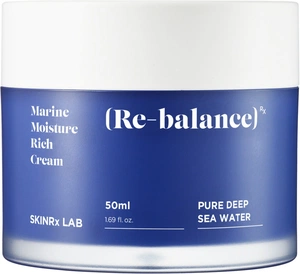
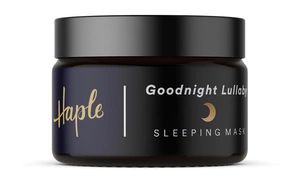
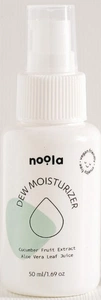
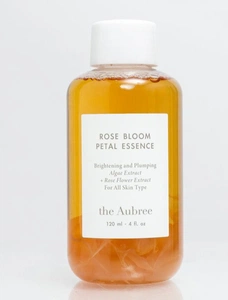
Pregnancy-safe products containing algae oligosaccharides
SKINRx LAB
SKINRx LAB Marine Moisture Rich Cream
99/100
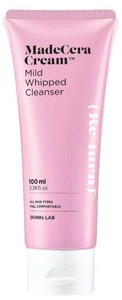
SKINRx LAB
SKINRx LAB Madecera Cream Mild Whipped Cleanser
98/100
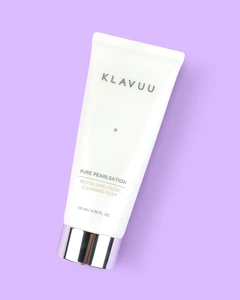
KLAVUU
KLAVUU Pure Pearlsation Revitalizing Facial Cleansing Foam
89/100
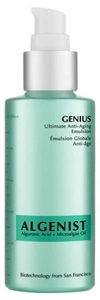
Algenist
Algenist Genius Ultimate Anti-Aging Emulsion
84/100
haple
haple Goodnight Lullaby Sleeping Mask
83/100
Noola
Noola Dew Moisturizer
78/100
the Aubree
the Aubree Rose Bloom Petal Essence
73/100
Related ingredients
See also
Sources & references
Authoritative references used to score this ingredient.
Frequently asked questions
- Is algae oligosaccharides safe during pregnancy?
- No harmonised CLP reproductive classifications (ECHA Annex VI) or SCCS/CIR safety assessments flagging reproductive hazard for generic 'algae oligosaccharides'. These are oligosaccharide carbohydrates (hydrophilic, high molecular weight compared with small molecule teratogens) with no human teratogen data in authoritative cosmetic safety sources; therefore default hazard/mechanism scores are 0. (Sources: ECHA Annex VI, SCCS/CIR absence; CosIng/PubChem entries for algal oligosaccharides show carbohydrate class and no GHS reproductive classifications.)
- Is algae oligosaccharides safe while breastfeeding?
- No evidence of reproductive or lactation-specific toxicity or classifications in primary regulatory sources. As hydrophilic oligosaccharides, systemic maternal absorption after topical cosmetic use is expected to be negligible, so transfer into breast milk is unlikely based on available authoritative databases. (Sources: CIR/SCCS absence, ECHA/CosIng/PubChem information)
- Is algae oligosaccharides safe for baby skin?
- No data indicating reproductive or developmental hazard. Dermal absorption of oligosaccharides in adults is expected to be negligible; for infants (0–3 yr) immature barrier and higher surface-area-to-weight justify increasing exposure score by +1 to reflect measurable but low absorption potential. No infant-specific toxicity data identified in regulatory sources. (Sources: CosIng/CIR absence; general toxicokinetic rationale from PubChem/CosIng class info)
- How does VeriMom score algae oligosaccharides?
- VeriMom scores algae oligosaccharides at 100/100 (no known risks) based on EU CosIng status, ECHA hazard classifications, and peer-reviewed PubMed studies. Our scoring pipeline is fully transparent.
- What are pregnancy-safe alternatives to algae oligosaccharides?
- See our curated list of pregnancy-safe alternatives to algae oligosaccharides based on similar function and a no-known-risks safety band.
Check your own skincare
Paste any product's ingredient list into our free checker and see every ingredient scored against EU regulatory data and peer-reviewed research.
Open the pregnancy-safe ingredient checkerCheck every label in 2 seconds
Get VeriMom free — scan any product and see the pregnancy safety score instantly.
Medical Disclaimer
This information is for educational purposes only and does not constitute medical advice. Safety scores are based on publicly available data and may not reflect all risks. Always consult your healthcare provider before using any product during pregnancy or breastfeeding.