 VeriMom
Безопасен ли 10-hydroxydecenoic acid при беременности?
10‑Hydroxydecenoic acid (10‑HDA; major fatty acid in royal jelly, CAS 765-01-5) has no harmonised CLP reproductive classification (ECHA Annex VI) and no SCCS or CIR safety finding indicating reproductive hazard. Peer‑reviewed literature shows bioactivity but no clear animal or human evidence of teratogenicity or fertility effects; mechanistic endocrine activity relevant to reproduction is not established. Topical cosmetic use would give low but measurable systemic exposure for adults (low molecular weight acid, some dermal penetration reported for royal jelly components). Sources: ECHA Annex VI (no harmonised classification), PubChem, PubMed (royal jelly/10‑HDA literature), CosIng.
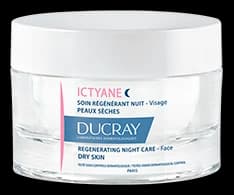
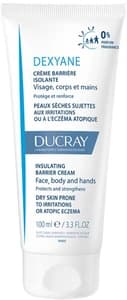
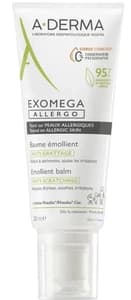
Pregnancy-safe products containing 10-hydroxydecenoic acid





Related ingredients
Frequently asked questions
- Безопасен ли 10-hydroxydecenoic acid при беременности?
- 10‑Hydroxydecenoic acid (10‑HDA; major fatty acid in royal jelly, CAS 765-01-5) has no harmonised CLP reproductive classification (ECHA Annex VI) and no SCCS or CIR safety finding indicating reproductive hazard. Peer‑reviewed literature shows bioactivity but no clear animal or human evidence of teratogenicity or fertility effects; mechanistic endocrine activity relevant to reproduction is not established. Topical cosmetic use would give low but measurable systemic exposure for adults (low molecular weight acid, some dermal penetration reported for royal jelly components). Sources: ECHA Annex VI (no harmonised classification), PubChem, PubMed (royal jelly/10‑HDA literature), CosIng.
- Безопасен ли 10-hydroxydecenoic acid при грудном вскармливании?
- No evidence of reproductive or lactation-specific hazard; no harmonised classification or authoritative contraindication. Systemic exposure from topical use is expected to be low but measurable; therefore small amounts could theoretically reach milk, but no data indicate risk. Sources: ECHA Annex VI (no harmonised classification), PubChem, PubMed.
- Безопасен ли 10-hydroxydecenoic acid для кожи малыша?
- There is no evidence that 10‑HDA is a reproductive toxicant or has a defined mechanism affecting infant development. However, because infant skin has a higher surface‑area‑to‑bodyweight ratio and a less mature barrier, exposure score is increased by +1 versus adults (adult e=1 → infant e=2). No infant‑specific toxicity or sensitization data were identified in authoritative safety assessments. Sources: ECHA Annex VI (no harmonised classification), PubChem, PubMed, CosIng.
- Как VeriMom оценивает 10-hydroxydecenoic acid?
- VeriMom оценивает 10-hydroxydecenoic acid в 93/100 (без известных рисков) на основе EU CosIng, классификаций ECHA и исследований PubMed.
- Какие безопасные альтернативы 10-hydroxydecenoic acid при беременности?
- См. наш список безопасных альтернатив 10-hydroxydecenoic acid с аналогичной функцией и классификацией без известных рисков.
Проверь любой состав за 2 секунды
Скачай VeriMom бесплатно — отсканируй любой продукт и мгновенно получи оценку безопасности при беременности.
Медицинская оговорка
Данная информация предоставлена исключительно в образовательных целях и не является медицинской рекомендацией. Оценки безопасности основаны на общедоступных данных и могут не отражать все риски. Всегда консультируйтесь с вашим врачом перед использованием любых средств во время беременности или грудного вскармливания.