 VeriMom
Стоит ли избегать propylene glycol ricinoleate при беременности? | VeriMom
Reviewed by VeriMom Editorial Team · Last reviewed
ECHA regulatory hazard statements
- •H361
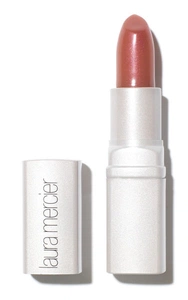
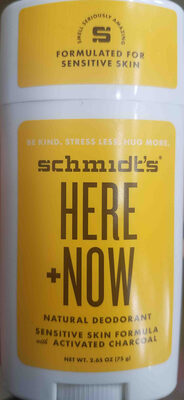
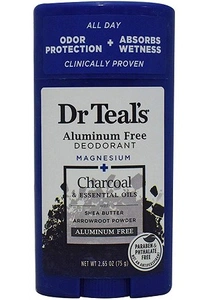
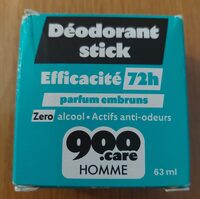
Products containing propylene glycol ricinoleate — check your shelf
These products list propylene glycol ricinoleate on their INCI. If one is in your routine, consider swapping it during pregnancy.
What to use instead
Pregnancy-safe ingredients that serve a similar function:
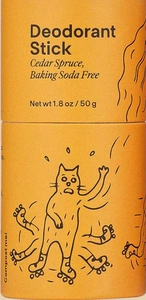
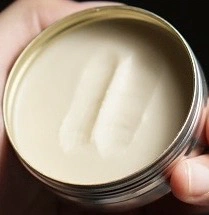
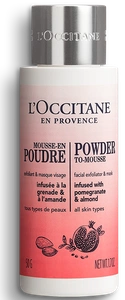
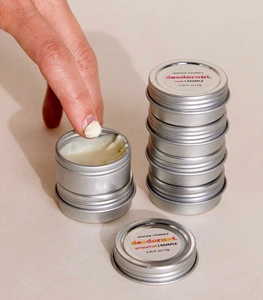
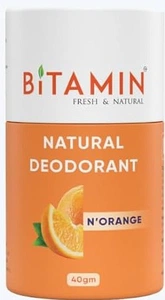
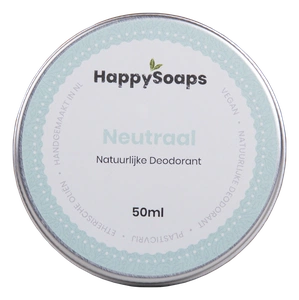
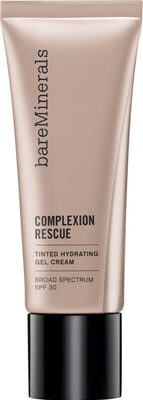
Pregnancy-safe products to use instead
Products built around the safer ingredients above, scored "no known risks" or "low risk".
Sources & references
Authoritative references used to score this ingredient.
Безопасные альтернативы propylene glycol ricinoleate при беременности | VeriMom
Ингредиенты — Ингредиенты
См. также
FAQ
- Безопасен ли propylene glycol ricinoleate при беременности?
- No harmonised EU reproductive classification (no Annex II/III listing found) and no SCCS/CIR opinion flagging reproductive hazard for propylene-glycol esters; available cosmetic-safety summaries treat propylene glycol esters as low-risk. Topical absorption of mono‑esters is possible but expected to be low for typical cosmetic use levels, so exposure is low but measurable. Sources: CIR propylene glycol esters safety summary; ECHA substance listing; EWG ingredient page.
- Безопасен ли propylene glycol ricinoleate при грудном вскармливании?
- There is no specific evidence of reproductive/developmental or lactation toxicity for propylene glycol ricinoleate and no harmonised H‑codes; topical cosmetic exposure is expected to give low systemic exposure similar to other propylene glycol mono‑esters. No data supporting transfer into breastmilk were found.
- Безопасен ли propylene glycol ricinoleate для кожи малыша?
- No infant-specific reproductive/toxicity data were identified. Because infant skin has higher permeability, exposure scoring is increased by +1 relative to adults (adult e=1 → infant e=2) though no data show infant‑specific hazards at cosmetic use levels; consider avoiding on damaged or premature infant skin.
- Как VeriMom оценивает propylene glycol ricinoleate?
- VeriMom оценивает propylene glycol ricinoleate в 33/100 (высокий риск) на основе EU CosIng, классификаций ECHA и исследований PubMed.
- Какие безопасные альтернативы propylene glycol ricinoleate при беременности?
- См. наш список безопасных альтернатив propylene glycol ricinoleate с аналогичной функцией и классификацией без известных рисков.
Проверь любой состав за 2 секунды
Скачай VeriMom бесплатно — отсканируй любой продукт и мгновенно получи оценку безопасности при беременности.
Медицинская оговорка
Данная информация предоставлена исключительно в образовательных целях и не является медицинской рекомендацией. Оценки безопасности основаны на общедоступных данных и могут не отражать все риски. Всегда консультируйтесь с вашим врачом перед использованием любых средств во время беременности или грудного вскармливания.