 VeriMom
Стоит ли избегать lithium hydroxide при беременности? | VeriMom
Reviewed by VeriMom Editorial Team · Last reviewed
ECHA regulatory hazard statements
- •H360
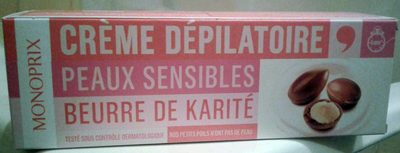
Products containing lithium hydroxide — check your shelf
These products list lithium hydroxide on their INCI. If one is in your routine, consider swapping it during pregnancy.
What to use instead
Pregnancy-safe ingredients that serve a similar function:
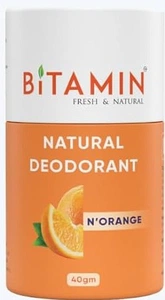
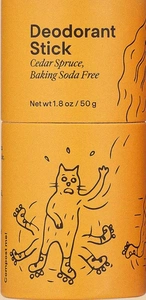
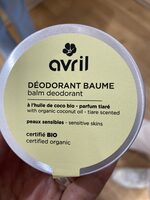
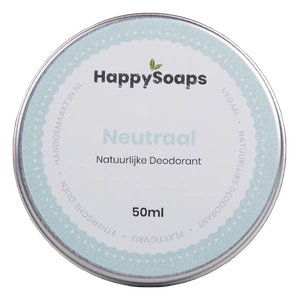
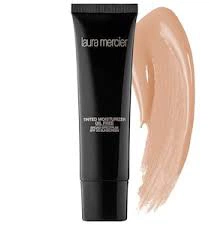
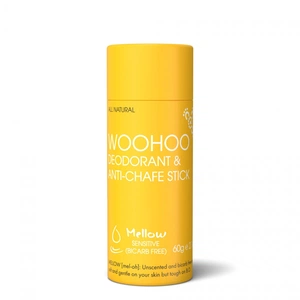
Pregnancy-safe products to use instead
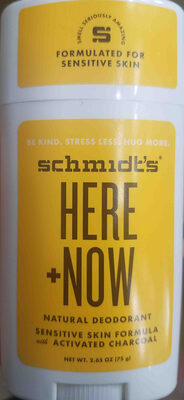
Products built around the safer ingredients above, scored "no known risks" or "low risk".
Sources & references
Authoritative references used to score this ingredient.
Безопасные альтернативы lithium hydroxide при беременности | VeriMom
Ингредиенты — Ингредиенты
См. также
FAQ
- Безопасен ли lithium hydroxide при беременности?
- ECHA/RAC has proposed harmonised classification for lithium hydroxide as reproductive toxicant (Repr. 1A, H360—may damage fertility/unborn child) and lactation (H362); regulatory bodies and risk assessments driving that proposal cite mammalian data and human lithium drug literature showing placental transfer and developmental effects. This supports a confirmed hazard (H360 → h=3) and a demonstrated mechanism (placental transfer / developmental signalling effects from lithium). Topical cosmetic exposure would give low but measurable systemic exposure in normal use (hence e=1). (Sources: ECHA registry and RAC/ANSES material; PubMed reviews on lithium exposure in pregnancy).
- Безопасен ли lithium hydroxide при грудном вскармливании?
- RAC/ANSES proposals include a lactation hazard (H362) for lithium salts; clinical/literature on therapeutic lithium shows transfer into breastmilk and effects on breastfed infants, supporting a confirmed hazard (h=3) and demonstrated mechanism (maternal→milk transfer). Topical cosmetic use is expected to give low but measurable maternal systemic exposure (e=1) unless formulations/uses provide negligible absorption. (Sources: ECHA/ANSES/RAC documentation; PubMed clinical reviews on lithium and breastfeeding).
- Безопасен ли lithium hydroxide для кожи малыша?
- Hazard and mechanism remain driven by the same lithium salt evidence (RAC proposal Repr.1A/H360 and lactation H362; systemic lithium crosses placenta and is secreted in milk). Because infant skin (0–3 yr) has higher surface-area-to-weight and a less mature barrier, exposure score is increased by +1 (adult e=1 → infant e=2). There is no infant-specific evidence changing hazard or mechanism, but increased dermal exposure potential supports higher exposure concern for babies. (Sources: ECHA/ANSES/RAC; PubMed literature on lithium transfer and infant effects; CosIng listing and restriction notes).
- Как VeriMom оценивает lithium hydroxide?
- VeriMom оценивает lithium hydroxide в 20/100 (высокий риск) на основе EU CosIng, классификаций ECHA и исследований PubMed.
- Какие безопасные альтернативы lithium hydroxide при беременности?
- См. наш список безопасных альтернатив lithium hydroxide с аналогичной функцией и классификацией без известных рисков.
Проверьте свою косметику
Вставьте список ингредиентов любого продукта в наш бесплатный анализатор и посмотрите оценку каждого ингредиента по регуляторным данным ЕС и рецензируемым исследованиям.
Открыть проверку ингредиентов для беременныхПроверь любой состав за 2 секунды
Скачай VeriMom бесплатно — отсканируй любой продукт и мгновенно получи оценку безопасности при беременности.
Медицинская оговорка
Данная информация предоставлена исключительно в образовательных целях и не является медицинской рекомендацией. Оценки безопасности основаны на общедоступных данных и могут не отражать все риски. Всегда консультируйтесь с вашим врачом перед использованием любых средств во время беременности или грудного вскармливания.