 VeriMom
¿Es pyridoxine seguro durante el embarazo?
Reviewed by VeriMom Editorial Team · Last reviewed
Ingredientes
pyridoxine
SIN RIESGOS CONOCIDOS100
/100
0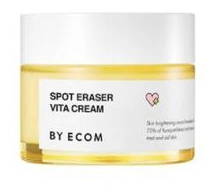
Pregnancy-safe products containing pyridoxine
By Ecom
By Ecom Spot Eraser Vita Cream
98/100
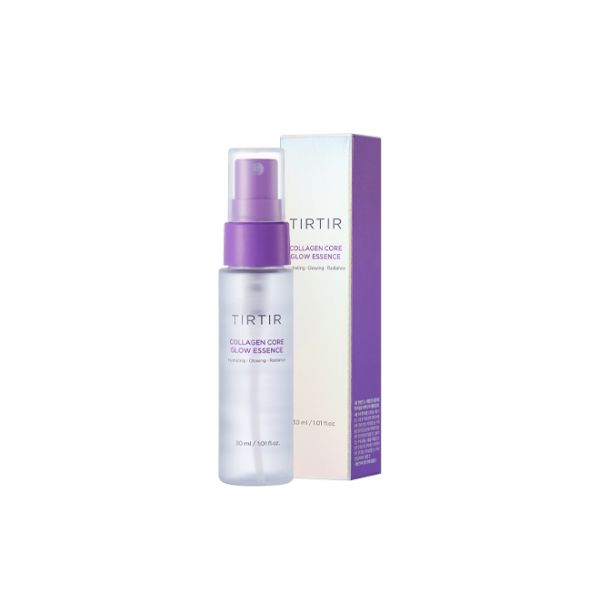
Tirtir
TIRTIR Collagen Core Glow Essence - 120ml
98/100
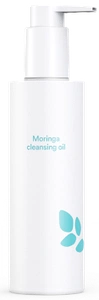
E Nature
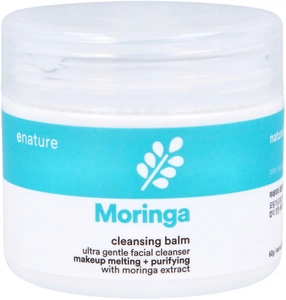
E Nature Moringa Cleansing Oil
98/100
TIRTIR Collagen Core Glow Essence - 120ml
98/100
OGETi
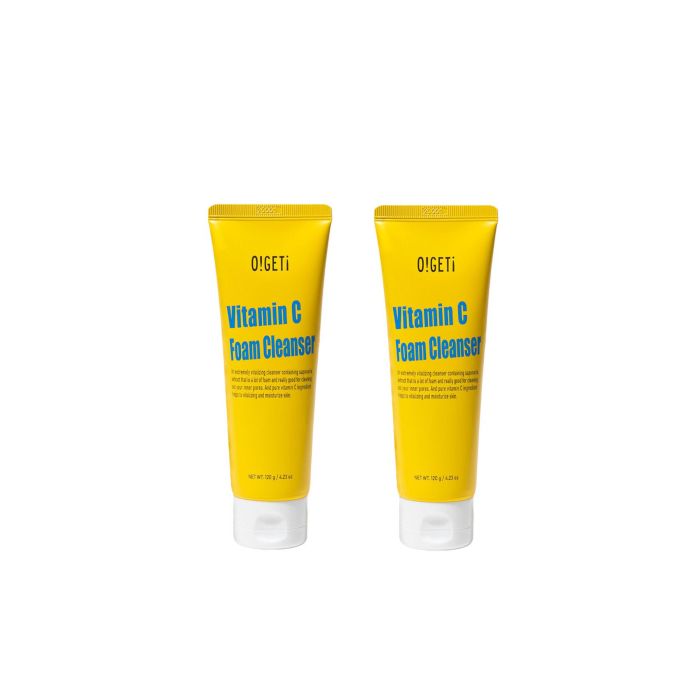
OGETi Vitamin C Foam Cleanser - 120g (2ea) Set
98/100
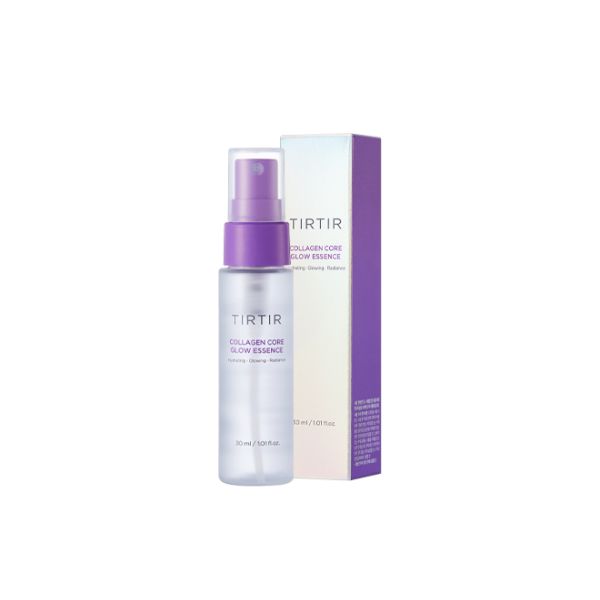
Tirtir
Tirtir Collagen Core Glow Essence
98/100
E Nature
E Nature Moringa Cleansing Balm
98/100
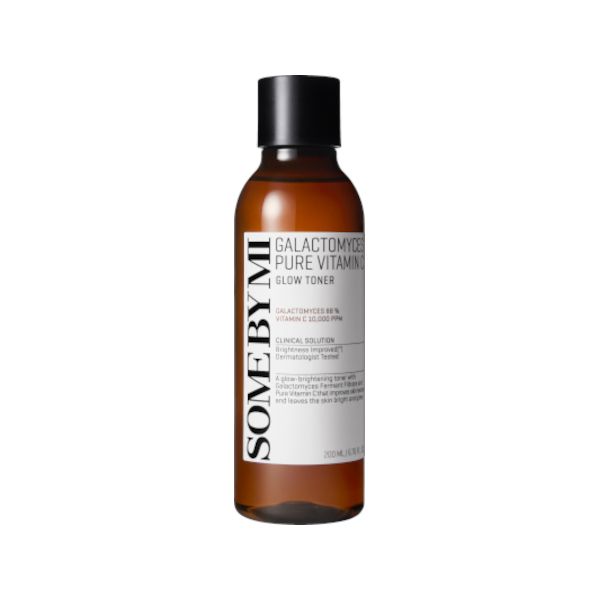
SOME BY MI Galactomyces Pure Vitamin C Glow Toner - 200ml
98/100
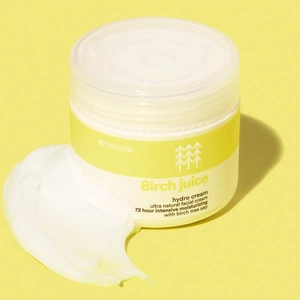
E Nature
E Nature Birch Juice Hydro Cream
98/100
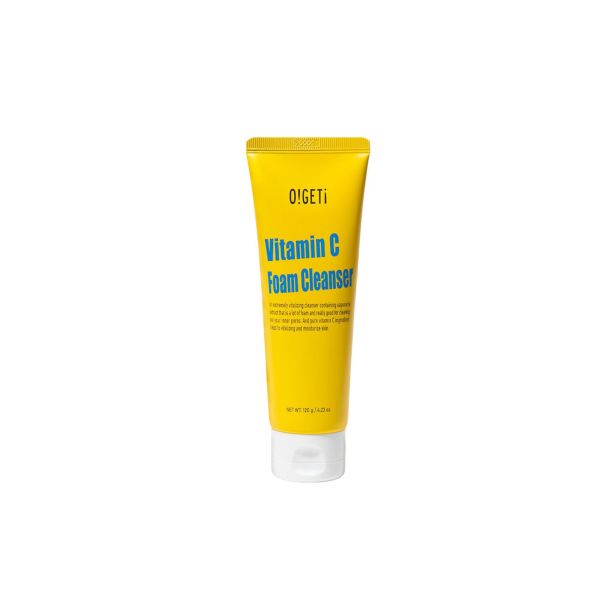
OGETi
OGETi Vitamin C Foam Cleanser - 120g
98/100
Related ingredients
Ver también
Sources & references
Authoritative references used to score this ingredient.
Frequently asked questions
- ¿Es pyridoxine seguro durante el embarazo?
- Pyridoxine (vitamin B6, CAS 65-23-6) is an essential nutrient with no harmonised ECHA reproductive hazard classification; regulatory and toxicology dossiers (ECHA/REACH) do not list CLP reproductive classifications and EFSA/feeding-additive opinions consider pyridoxine safe at authorised use levels. Clinical/toxicology literature shows safety at normal nutritional doses; adverse outcomes reported are from high oral supplement doses, not topical cosmetic use. (ECHA registration; EFSA; LactMed).
- ¿Es pyridoxine seguro durante la lactancia?
- Pyridoxine is present normally in human milk and LactMed/clinical guidance describe it as a commonly used vitamin in pregnancy/lactation with established dietary reference intakes; reported neonatal adverse events are associated with excessive maternal oral supplementation, not with routine topical cosmetic application. No harmonised CLP reproductive flags or CIR/SCCS unsafe rulings were identified. (LactMed; PubMed case reports; ECHA registration).
- ¿Es pyridoxine seguro para la piel del bebé?
- For topical use on infant skin (0–3 yr) there is no evidence of intrinsic reproductive or developmental hazard from pyridoxine and regulatory assessments (EFSA, ECHA dossiers) describe low skin irritation/sensitisation potential; however, immature infant barrier increases per-weight absorption potential so exposure (e) is increased by one level relative to adults even though systemic hazard (h) and mechanism (m) lack evidence. No infant-specific dermal toxicology indicating increased hazard was found. (EFSA; ECHA; PubMed/clinical literature).
- ¿Cómo puntúa VeriMom a pyridoxine?
- VeriMom puntúa pyridoxine en 100/100 (sin riesgos conocidos) según el estado EU CosIng, clasificaciones ECHA y estudios PubMed.
- ¿Cuáles son las alternativas seguras a pyridoxine en el embarazo?
- Consulta nuestra lista de alternativas seguras a pyridoxine según función similar y clasificación sin riesgos conocidos.
Revisa tus propios cosméticos
Pega la lista de ingredientes de cualquier producto en nuestro verificador gratuito y mira cada ingrediente evaluado con datos regulatorios de la UE e investigación revisada por pares.
Abrir el verificador de ingredientes seguros en el embarazoComprueba cualquier etiqueta en 2 segundos
Descarga VeriMom gratis — escanea cualquier producto y ve la puntuación de seguridad en el embarazo al instante.
Aviso Médico
Esta información es solo para fines educativos y no constituye asesoramiento médico. Las puntuaciones de seguridad se basan en datos disponibles públicamente y pueden no reflejar todos los riesgos. Siempre consulte a su profesional de salud antes de usar cualquier producto durante el embarazo o la lactancia.