 VeriMom
¿Es pyridoxine seguro para la piel del bebé?
Reviewed by VeriMom Editorial Team · Last reviewed
Also relevant: pregnancy safety
Want to know if pyridoxine is also safe during pregnancy?
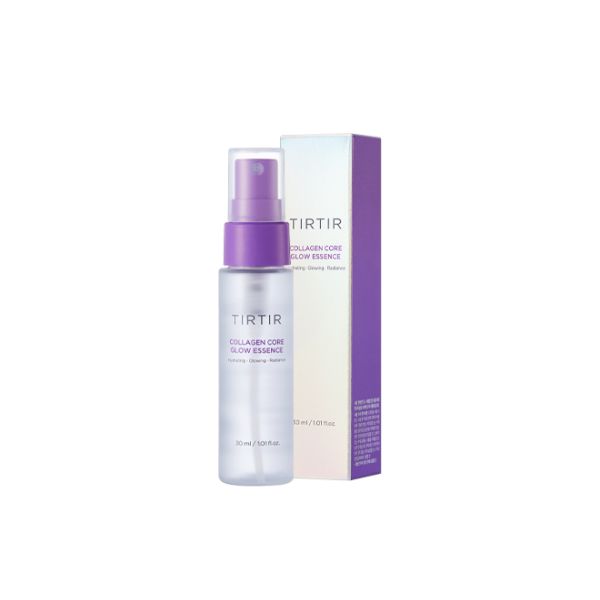
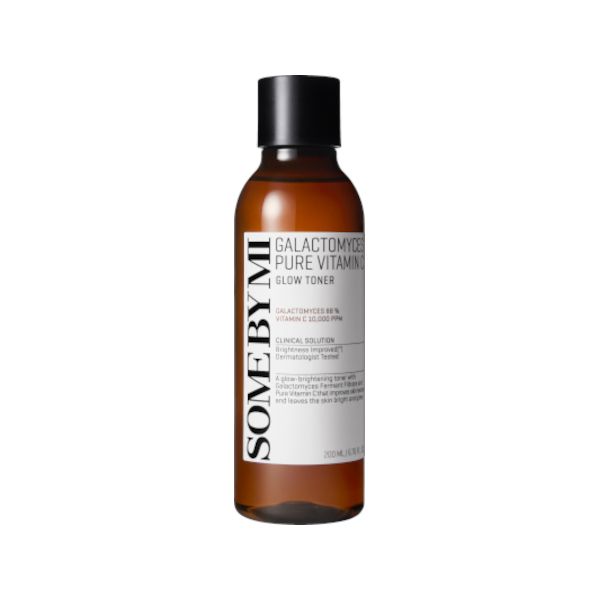
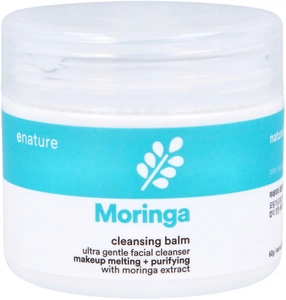
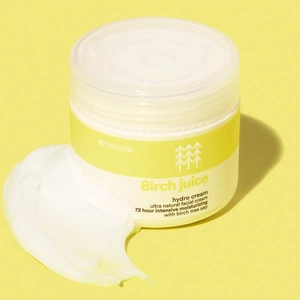
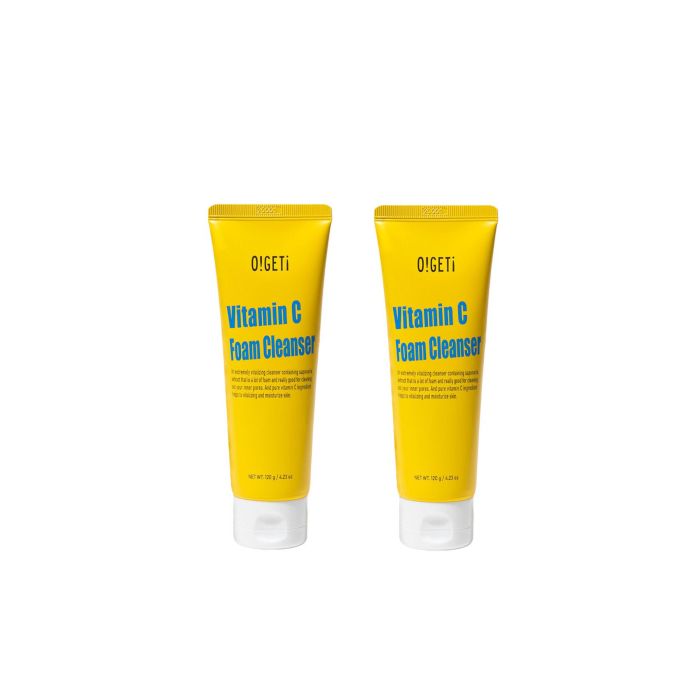
Is pyridoxine safe during pregnancy? →Gentle products containing pyridoxine
Sources & references
Authoritative references used to score this ingredient.
Ingredientes — Ingredientes
Ver también
Frequently asked questions
- ¿Es pyridoxine seguro para la piel del bebé?
- For topical use on infant skin (0–3 yr) there is no evidence of intrinsic reproductive or developmental hazard from pyridoxine and regulatory assessments (EFSA, ECHA dossiers) describe low skin irritation/sensitisation potential; however, immature infant barrier increases per-weight absorption potential so exposure (e) is increased by one level relative to adults even though systemic hazard (h) and mechanism (m) lack evidence. No infant-specific dermal toxicology indicating increased hazard was found. (EFSA; ECHA; PubMed/clinical literature).
- ¿Es pyridoxine seguro para recién nacidos?
- For topical use on infant skin (0–3 yr) there is no evidence of intrinsic reproductive or developmental hazard from pyridoxine and regulatory assessments (EFSA, ECHA dossiers) describe low skin irritation/sensitisation potential; however, immature infant barrier increases per-weight absorption potential so exposure (e) is increased by one level relative to adults even though systemic hazard (h) and mechanism (m) lack evidence. No infant-specific dermal toxicology indicating increased hazard was found. (EFSA; ECHA; PubMed/clinical literature).
- ¿Puedo usar pyridoxine en un bebé menor de 6 meses?
- No tenemos datos específicos sobre pyridoxine para piel de bebé. Prioriza ingredientes sin riesgos conocidos.
- ¿Cuáles son las alternativas más seguras a pyridoxine para bebés?
- Consulta nuestra lista de alternativas seguras a pyridoxine según función similar y clasificación sin riesgos conocidos.
- ¿Cómo valora VeriMom a pyridoxine para la piel del bebé?
- VeriMom puntúa pyridoxine en 93/100 (sin riesgos conocidos) según el estado EU CosIng, clasificaciones ECHA y estudios PubMed.
Revisa tus propios cosméticos
Pega la lista de ingredientes de cualquier producto en nuestro verificador gratuito y mira cada ingrediente evaluado con datos regulatorios de la UE e investigación revisada por pares.
Abrir el verificador de ingredientes seguros en el embarazoComprueba cualquier etiqueta en 2 segundos
Descarga VeriMom gratis — escanea cualquier producto y ve la puntuación de seguridad en el embarazo al instante.
Aviso Médico
Esta información es solo para fines educativos y no constituye asesoramiento médico. Las puntuaciones de seguridad se basan en datos disponibles públicamente y pueden no reflejar todos los riesgos. Siempre consulte a su profesional de salud antes de usar cualquier producto durante el embarazo o la lactancia.