 VeriMom
Ist tasmannia lanceolata leaf extract in der Schwangerschaft sicher?
Reviewed by VeriMom Editorial Team · Last reviewed
Inhaltsstoffe
tasmannia lanceolata leaf extract
KEINE BEKANNTEN RISIKEN100
/100
0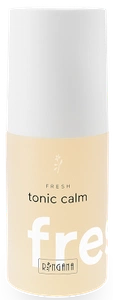
Pregnancy-safe products containing tasmannia lanceolata leaf extract
Ringana
Ringana Fresh Tonic Calm
99/100
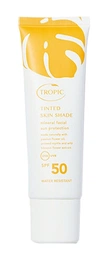
Tropic skincare
Tropic skincare Skin Shade Tinted Facial Sun Cream
99/100
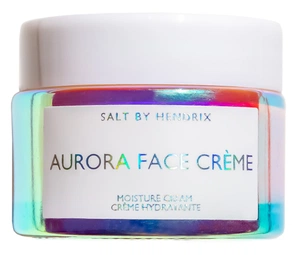
Salt By Hendrix
Salt By Hendrix Aurora Face Crème
98/100
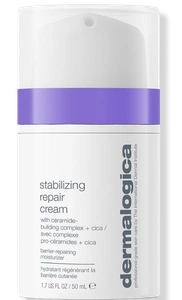
Dermalogica
Dermalogica Stabilizing Repair Cream
98/100
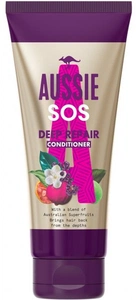
Aussie
Aussie SOS Deep Repair Conditioner
97/100
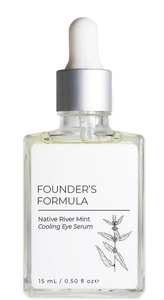
Founder's Formula
Founder's Formula Australian Native River Mint Cooling Eye Serum
97/100
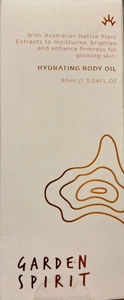
Garden Spirit
Garden Spirit Hydrating Body Oil
96/100
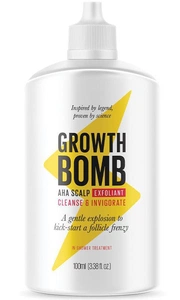
Growth Bomb
Growth Bomb AHA Scalp Exfoliant
84/100
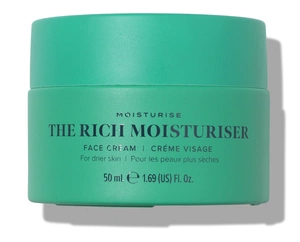
Skin rocks
Skin rocks The Rich Moisturiser
83/100
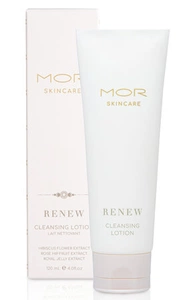
Mor Skincare
Mor Skincare Renew Cleansing Lotion
83/100
Related ingredients
Weiterlesen
Sources & references
Authoritative references used to score this ingredient.
Frequently asked questions
- Ist tasmannia lanceolata leaf extract in der Schwangerschaft sicher?
- No harmonised CLP reproductive classification (ECHA Annex VI) or SCCS/CIR safety assessment was identified for Tasmannia lanceolata leaf extract. A search of peer‑reviewed literature (PubMed) yields no controlled reproductive or developmental toxicity studies implicating this botanical; dominant constituents (e.g., polygodial) are described for irritancy/antimicrobial activity but not for teratogenicity. Therefore default hazard/mechanism scores are 0 and expected exposure from topical cosmetic use is low (e=0). Sources: ECHA Annex VI (no harmonised CLP entry), PubMed, CosIng, PubChem.
- Ist tasmannia lanceolata leaf extract während des Stillens sicher?
- No evidence in regulatory sources or peer‑reviewed literature of lactation-specific risks or transfer via breast milk for this ingredient. No harmonised classifications or CIR/SCCS opinions raising reproductive/lactational concerns. Topical cosmetic exposure is expected to be low for mother (e=0). Sources: PubMed, CosIng, ECHA Annex VI.
- Ist tasmannia lanceolata leaf extract sicher für Babyhaut?
- No infant‑specific reproductive or developmental toxicity data found. Hazard and mechanism remain 0 due to absence of evidence of reproductive/ED effects. Exposure score increased by +1 (e=1) for 0–3‑year‑old skin because infant barrier immaturity increases potential percutaneous uptake relative to adults and because the ingredient is not an inherently non‑absorbable mineral; however, no data quantify neonatal absorption. Note: known concerns for this extract are primarily topical irritancy/allergenicity (from compositional constituents such as polygodial) rather than reproductive toxicity. Sources: PubMed, CosIng, EWG.
- Wie bewertet VeriMom tasmannia lanceolata leaf extract?
- VeriMom bewertet tasmannia lanceolata leaf extract mit 100/100 (keine bekannten Risiken) basierend auf EU CosIng, ECHA-Klassifizierungen und PubMed-Studien.
- Was sind schwangerschaftssichere Alternativen zu tasmannia lanceolata leaf extract?
- Siehe unsere kuratierte Liste der schwangerschaftssicheren Alternativen zu tasmannia lanceolata leaf extract basierend auf ähnlicher Funktion.
Prüfe jede Zutatenliste in 2 Sekunden
Lade VeriMom kostenlos — scanne jedes Produkt und sieh sofort die Schwangerschafts-Sicherheitsbewertung.
Medizinischer Haftungsausschluss
Diese Informationen dienen ausschließlich Bildungszwecken und stellen keine medizinische Beratung dar. Sicherheitsbewertungen basieren auf öffentlich zugänglichen Daten und spiegeln möglicherweise nicht alle Risiken wider. Konsultieren Sie immer Ihren Arzt, bevor Sie ein Produkt während der Schwangerschaft oder Stillzeit verwenden.