 VeriMom
Ist rh-oligopeptide-1 in der Schwangerschaft sicher?
Reviewed by VeriMom Editorial Team · Last reviewed
Inhaltsstoffe
rh-oligopeptide-1
GERINGES RISIKO73
/100
0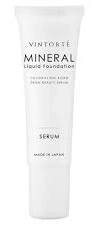
Pregnancy-safe products containing rh-oligopeptide-1
Vintorte
Vintorte Mineral Liquid Foundation
87/100
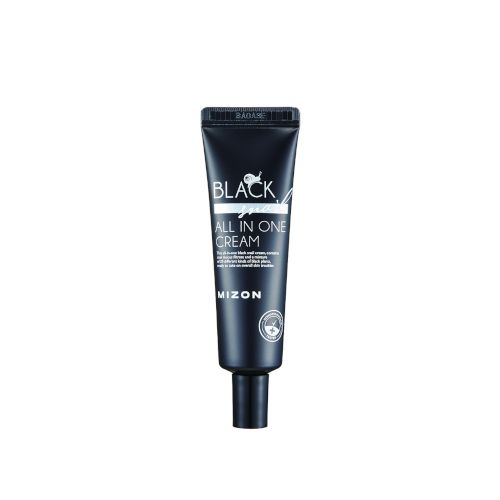
Mizon
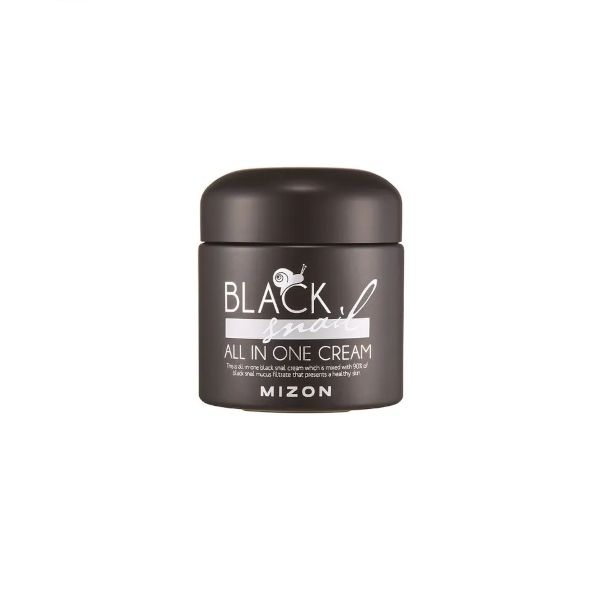
MIZON Black Snail All In One Cream - 35ml
87/100
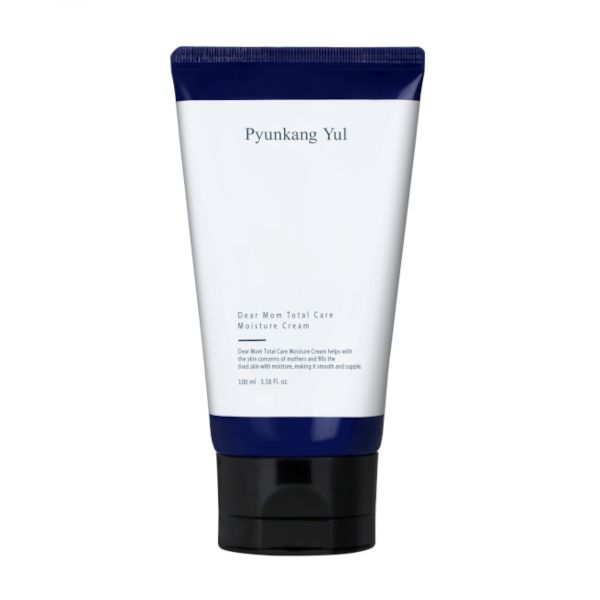
Pyunkang Yul Dear Mom Total Care Moisture Cream - 100ml
87/100
Mizon
Mizon Black Snail All In One Cream
87/100
uncategorized
Mizon
Black All In One Snail Cream
87/100
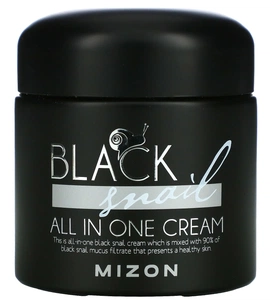
Mizon
MIZON Black Snail All In One Cream - 75ml
87/100
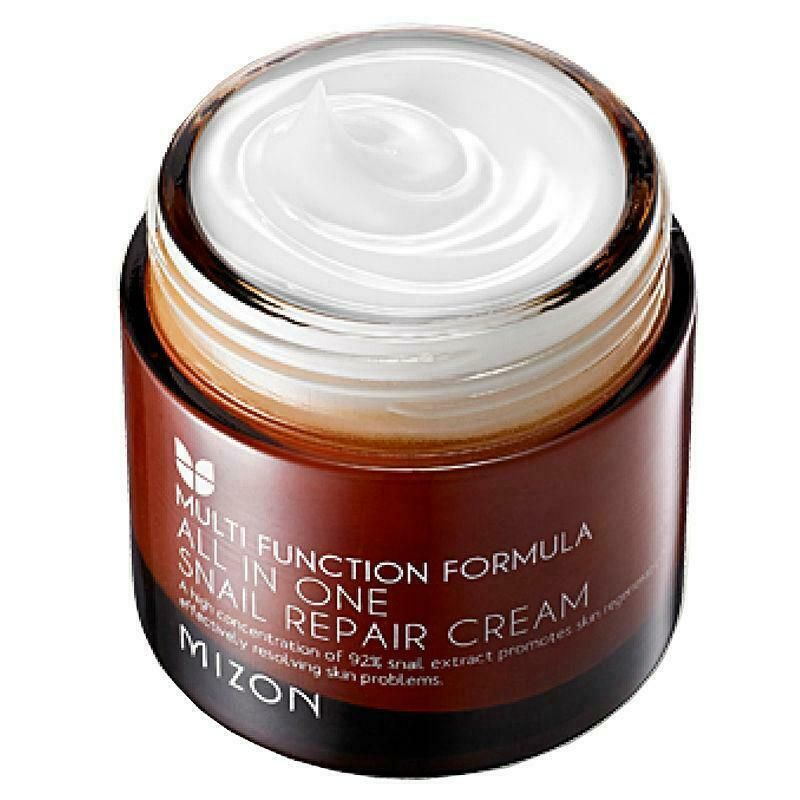
MIZON All in One Snail Repair Cream - 75ml
86/100
Mizon
Mizon All-In-One Snail Repair Cream (Discontinued)
86/100
By Ecom
By Ecom Collagen Firming Ampoule
86/100
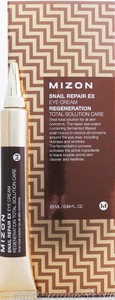
Mizon
Mizon Snail Repair EX Eye Cream
86/100
Related ingredients
Weiterlesen
Sources & references
Authoritative references used to score this ingredient.
Frequently asked questions
- Ist rh-oligopeptide-1 in der Schwangerschaft sicher?
- No harmonised CLP classification (ECHA Annex VI) or SCCS/CIR reproductive safety restriction identified. However, as a peptide growth factor (EGF family) there is a theoretical class-based concern about mitogenic activity relevant to developing tissues; no animal or human reproductive toxicity data were identified to confirm hazard (sources searched: ECHA Annex VI, SCCS/CIR, PubMed, PubChem/CosIng, EWG). Topical systemic absorption for large peptides like rhEGF is expected to be negligible, so direct systemic exposure in pregnancy is unlikely.
- Ist rh-oligopeptide-1 während des Stillens sicher?
- Same rationale as pregnancy: theoretical concern from growth-factor activity if systemically absorbed, but no evidence of reproductive or lactation-specific toxicity or breast milk transfer. Large peptide size and available topical formulations suggest negligible systemic bioavailability after topical cosmetic use (sources: PubMed, PubChem, CosIng, EWG).
- Ist rh-oligopeptide-1 sicher für Babyhaut?
- Hazard and mechanism scores unchanged (no infant-specific data showing reproductive/ developmental toxicity). Exposure score increased by +1 because infant skin has a less mature barrier and higher surface-area-to-weight ratio; if the peptide has any measurable percutaneous uptake the relative exposure in 0–3 yr olds would be higher. No studies demonstrating placental/breastmilk transfer or infant adverse outcomes were found (sources: PubMed, CosIng, PubChem, EWG).
- Wie bewertet VeriMom rh-oligopeptide-1?
- VeriMom bewertet rh-oligopeptide-1 mit 73/100 (geringes Risiko) basierend auf EU CosIng, ECHA-Klassifizierungen und PubMed-Studien.
- Was sind schwangerschaftssichere Alternativen zu rh-oligopeptide-1?
- Siehe unsere kuratierte Liste der schwangerschaftssicheren Alternativen zu rh-oligopeptide-1 basierend auf ähnlicher Funktion.
Prüfe jede Zutatenliste in 2 Sekunden
Lade VeriMom kostenlos — scanne jedes Produkt und sieh sofort die Schwangerschafts-Sicherheitsbewertung.
Medizinischer Haftungsausschluss
Diese Informationen dienen ausschließlich Bildungszwecken und stellen keine medizinische Beratung dar. Sicherheitsbewertungen basieren auf öffentlich zugänglichen Daten und spiegeln möglicherweise nicht alle Risiken wider. Konsultieren Sie immer Ihren Arzt, bevor Sie ein Produkt während der Schwangerschaft oder Stillzeit verwenden.