Ist retinol in der Schwangerschaft sicher?
Topical retinol is a vitamin A form with a well‑characterised mechanism (retinoic acid receptor agonism) known to cause teratogenic effects at systemic/oral doses; human data on topical exposure are limited but do not conclusively show increased malformations, and EU SCCS/ CIR limit and quantify safe topical use because of possible systemic uptake. Given the mechanistic teratogenicity of retinoids and limited topical exposure data, I score hazard as 'suspected' (h=2), mechanism as well‑characterised (m=3), and exposure from cosmetics as low but measurable (e=1). Sources: SCCS opinion, CIR safety assessment, systematic reviews/cohort studies, and ECHA registration/SDS notes.
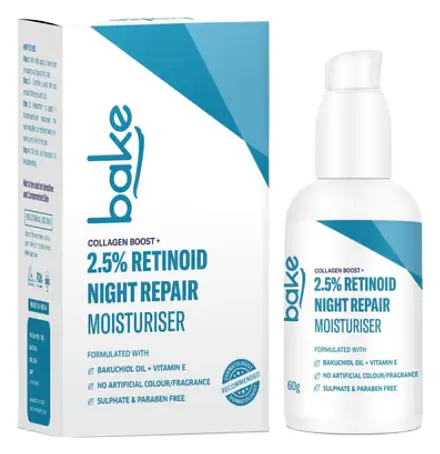
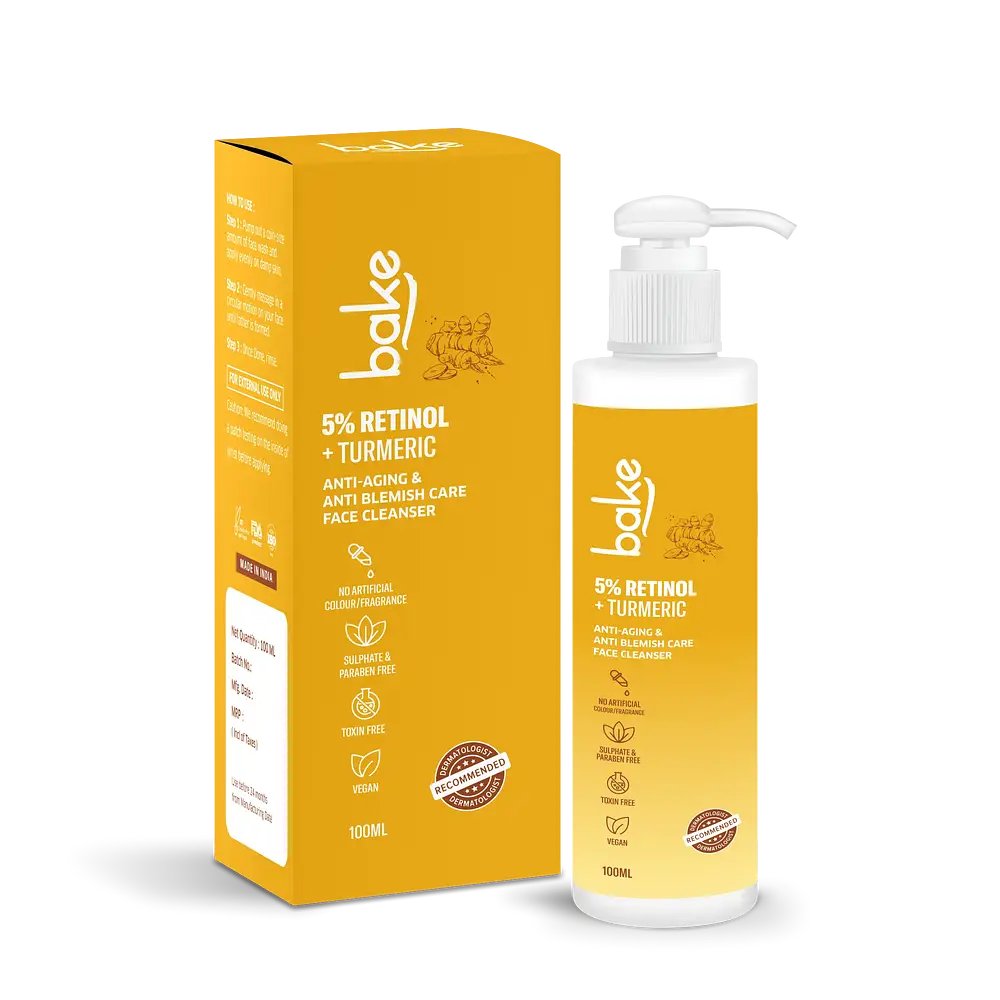
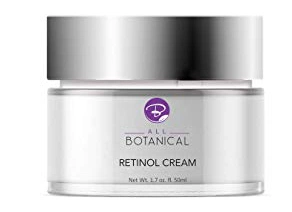
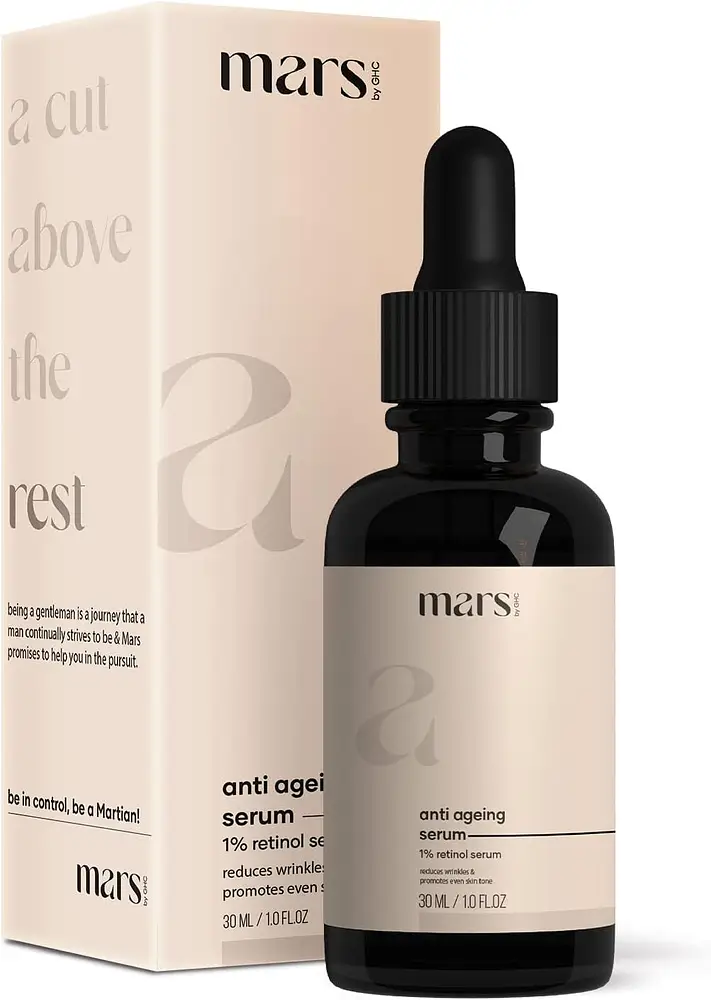
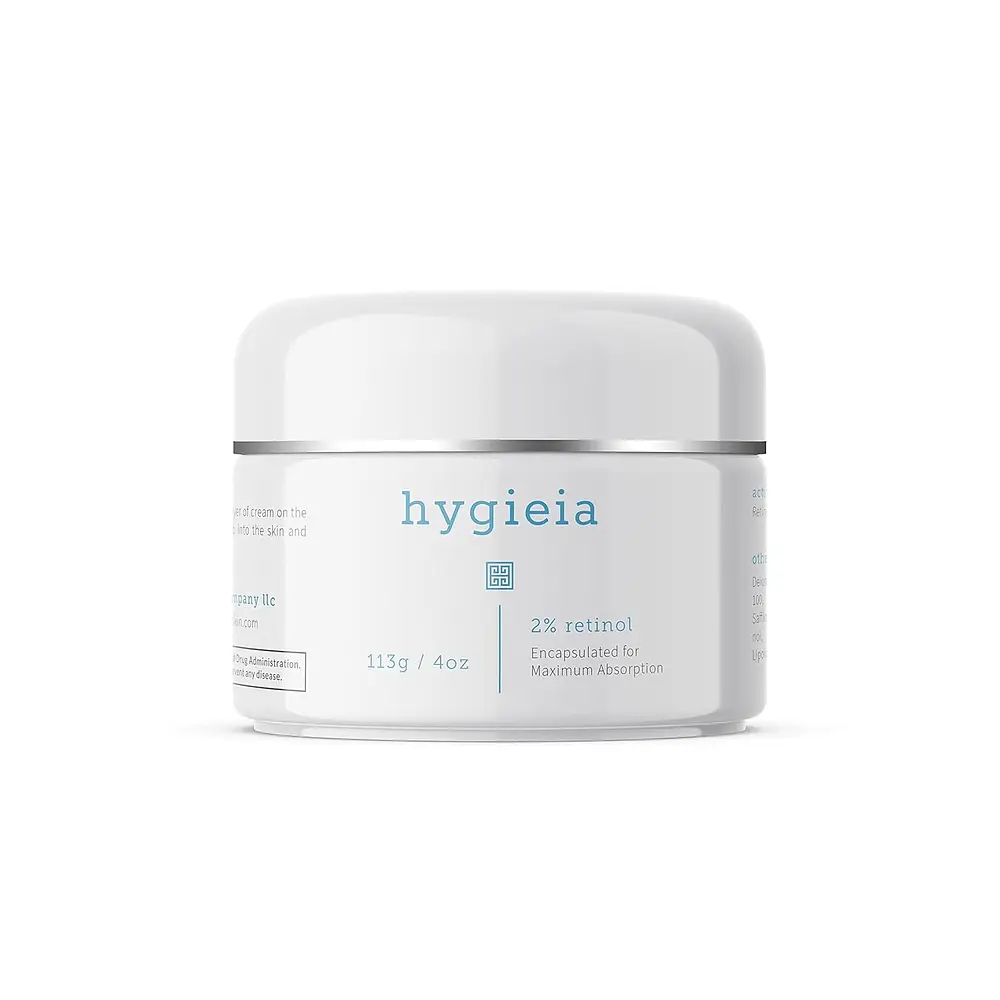
Pregnancy-safe products containing retinol
Schwangerschaftssichere Alternativen zu retinol | VeriMom
Related ingredients
Blog
Alles, was Sie über Retinoide in der Schwangerschaft wissen müssen — die Wissenschaft, die Risiken und die sicheren Alternativen.
Sie suchen eine Retinol-Alternative in der Schwangerschaft? Bakuchiol bietet ähnliche Anti-Ageing-Wirkung ohne die Risiken. Das sagt die Wissenschaft.
Denken Sie, Sie können nach der Entbindung wieder Retinol verwenden? Nicht beim Stillen. Hier ist der vollständige Leitfaden zur sicheren Hautpflege während der Stillzeit.
Frequently asked questions
- Ist retinol in der Schwangerschaft sicher?
- Topical retinol is a vitamin A form with a well‑characterised mechanism (retinoic acid receptor agonism) known to cause teratogenic effects at systemic/oral doses; human data on topical exposure are limited but do not conclusively show increased malformations, and EU SCCS/ CIR limit and quantify safe topical use because of possible systemic uptake. Given the mechanistic teratogenicity of retinoids and limited topical exposure data, I score hazard as 'suspected' (h=2), mechanism as well‑characterised (m=3), and exposure from cosmetics as low but measurable (e=1). Sources: SCCS opinion, CIR safety assessment, systematic reviews/cohort studies, and ECHA registration/SDS notes.
- Ist retinol während des Stillens sicher?
- Mechanistic concern (retinoid activity) is the same as for pregnancy; data on transfer to breastmilk after topical use are scarce. Regulatory/industry guidance generally advises avoidance during breastfeeding as a precaution despite low measured systemic exposure from topical products. Therefore hazard and mechanism scores mirror pregnancy (h=2, m=3); exposure from topical use is low but measurable (e=1).
- Ist retinol sicher für Babyhaut?
- No infant‑specific evidence demonstrating increased developmental hazard from topical retinol, so hazard and mechanism scores follow adult/pregnancy (h=2, m=3). Because infant skin (0–3 yr) has a higher surface‑area‑to‑weight ratio and an immature barrier, exposure score is increased by +1 (e=2) versus adult. Note that SCCS set particularly low retinol‑equivalent limits for body lotions for young children, reflecting exposure concerns.
- Wie bewertet VeriMom retinol?
- VeriMom bewertet retinol mit 13/100 (hohes Risiko) basierend auf EU CosIng, ECHA-Klassifizierungen und PubMed-Studien.
- Was sind schwangerschaftssichere Alternativen zu retinol?
- Siehe unsere kuratierte Liste der schwangerschaftssicheren Alternativen zu retinol basierend auf ähnlicher Funktion.
Prüfe jede Zutatenliste in 2 Sekunden
Lade VeriMom kostenlos — scanne jedes Produkt und sieh sofort die Schwangerschafts-Sicherheitsbewertung.
Medizinischer Haftungsausschluss
Diese Informationen dienen ausschließlich Bildungszwecken und stellen keine medizinische Beratung dar. Sicherheitsbewertungen basieren auf öffentlich zugänglichen Daten und spiegeln möglicherweise nicht alle Risiken wider. Konsultieren Sie immer Ihren Arzt, bevor Sie ein Produkt während der Schwangerschaft oder Stillzeit verwenden.