 VeriMom
Ist pei-10 in der Schwangerschaft sicher?
Reviewed by VeriMom Editorial Team · Last reviewed
Inhaltsstoffe
pei-10
KEINE BEKANNTEN RISIKEN100
/100
0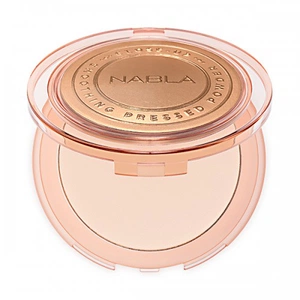
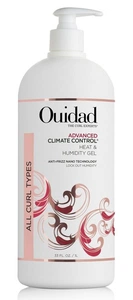
Pregnancy-safe products containing pei-10
Nabla
Nabla Close-Up Smoothing Pressed Powder
99/100
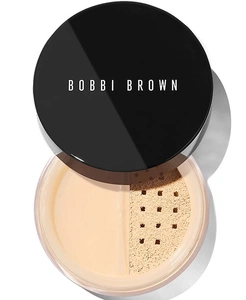
BOBBI BROWN
Bobbi Brown Sheer Finish Loose Powder
99/100
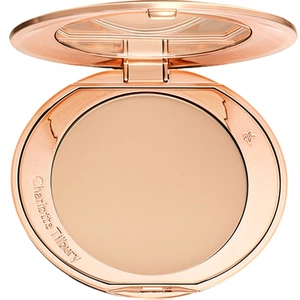
Charlotte Tilbury
Charlotte Tilbury Airbrush Flawless Finish
98/100
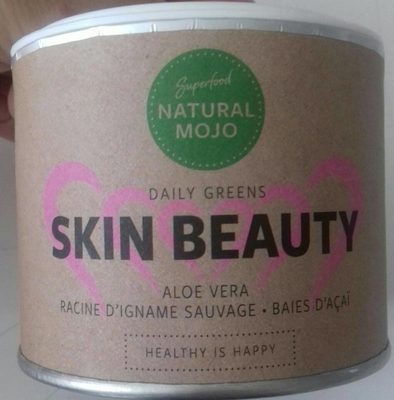
Natural Mojo
Skin beauty
86/100
Ouidad
Ouidad Advanced Climate Control® Defrizzing Shampoo
84/100
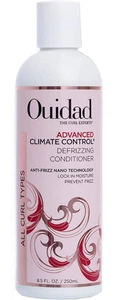
Ouidad
Ouidad Advanced Climate Control Defrizzing Conditioner
83/100
Related ingredients
Weiterlesen
Sources & references
Authoritative references used to score this ingredient.
Frequently asked questions
- Ist pei-10 in der Schwangerschaft sicher?
- No harmonised CLP reproductive classification (ECHA substance page lists polyethyleneimine CAS 9002-98-6 without an Annex VI harmonised H360/H361), no SCCS or CIR reproductive/safety assessment located, and the peer‑reviewed literature does not report human teratogenicity or developmental effects from topical cosmetic use of high‑MW PEI. SDS entries note skin irritation/sensitisation but not reproductive hazards. (Sources: ECHA substance info; EWG Skin Deep; product SDS and PubMed literature.)
- Ist pei-10 während des Stillens sicher?
- No evidence found that polyethyleneimine (PEI-10) is a known lactation/transfer hazard or causes reproductive/developmental effects via breastmilk; no authoritative reproductive/cosmetic panel (CIR/SCCS/harmonised CLP) flagging. Dermal use of high‑MW polymers is generally associated with negligible systemic uptake. (Sources: ECHA; EWG; SDS; PubMed searches.)
- Ist pei-10 sicher für Babyhaut?
- Hazard and mechanism: no infant‑specific reproductive/toxicology data indicating increased hazard, so h/m default to 0. Exposure: increased to 1 because infant skin has a less mature barrier and polymers with measurable skin interaction/irritancy (SDS report skin irritation/sensitisation) could lead to low but measurable exposure in infants compared with adults. No studies show systemic developmental harm from topical PEI. (Sources: SDS, EWG, PubMed papers on PEI toxicity limited to in vitro/route‑specific studies.)
- Wie bewertet VeriMom pei-10?
- VeriMom bewertet pei-10 mit 100/100 (keine bekannten Risiken) basierend auf EU CosIng, ECHA-Klassifizierungen und PubMed-Studien.
- Was sind schwangerschaftssichere Alternativen zu pei-10?
- Siehe unsere kuratierte Liste der schwangerschaftssicheren Alternativen zu pei-10 basierend auf ähnlicher Funktion.
Prüfe jede Zutatenliste in 2 Sekunden
Lade VeriMom kostenlos — scanne jedes Produkt und sieh sofort die Schwangerschafts-Sicherheitsbewertung.
Medizinischer Haftungsausschluss
Diese Informationen dienen ausschließlich Bildungszwecken und stellen keine medizinische Beratung dar. Sicherheitsbewertungen basieren auf öffentlich zugänglichen Daten und spiegeln möglicherweise nicht alle Risiken wider. Konsultieren Sie immer Ihren Arzt, bevor Sie ein Produkt während der Schwangerschaft oder Stillzeit verwenden.