 VeriMom
Ist distearyldimonium chloride in der Schwangerschaft sicher?
Reviewed by VeriMom Editorial Team · Last reviewed
Inhaltsstoffe
distearyldimonium chloride
KEINE BEKANNTEN RISIKEN93
/100
0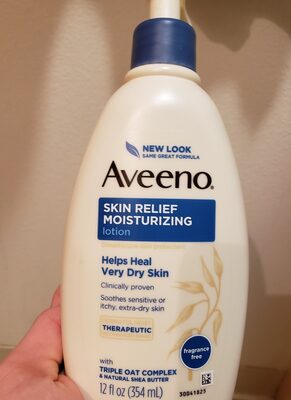

Pregnancy-safe products containing distearyldimonium chloride
Unknown
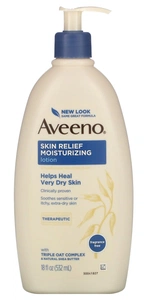
Aveeno Skin relief moisturizing lotion
98/100
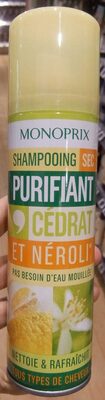
Monoprix
Shampoing sec
98/100
Balea
Balea Trocken Shampoo
98/100
Alama professional
Alama Professional Frequent Dry Shampoo
98/100
Aveeno
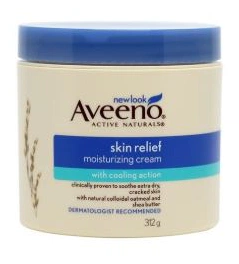
Aveeno Skin Relief Moisturizing Cream With Cooling Action
98/100
uncategorized
Unknown
johnsons
98/100
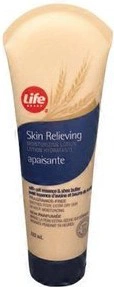
Life Brand
Life Brand Skin Relieving Moisturizing Lotion
98/100
Aveeno
Aveeno Skin Relief Lotion
98/100
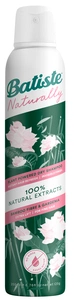
Batiste
Batiste Naturally Dry Shampoo
98/100
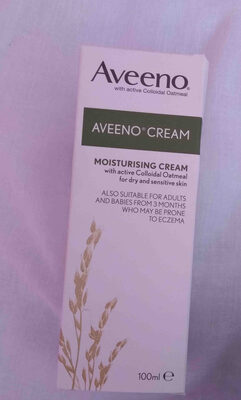
Unknown
Aveeno
98/100
Related ingredients
Weiterlesen
Sources & references
Authoritative references used to score this ingredient.
Frequently asked questions
- Ist distearyldimonium chloride in der Schwangerschaft sicher?
- No harmonised reproductive classification (no H360/H361) for distearyldimonium chloride; ECHA classifications on record for this substance relate to severe eye damage (H318) and aquatic toxicity (H400, H410) rather than reproductive toxicity (ECHA Annex VI). No authoritative CIR or SCCS reproductive restriction was identified in the provided regulatory context. Dermal systemic absorption of quaternary ammonium salts is generally low, so systemic exposure from typical topical cosmetic use is expected to be low (e=1). Sources checked: ECHA Annex VI, ECHA H-codes, PubChem, CosIng, CIR, PubMed, EWG.
- Ist distearyldimonium chloride während des Stillens sicher?
- No evidence or harmonised classification indicating reproductive or lactation hazards. Given low expected dermal absorption of quaternary ammonium compounds, systemic exposure and transfer into breastmilk would be low for typical topical use (e=1). No specific breastfeeding studies were identified in the provided sources.
- Ist distearyldimonium chloride sicher für Babyhaut?
- No infant-specific reproductive/toxicological classification found. However, because infant (0–3 y) skin has higher permeability and higher surface‑area‑to‑body‑weight ratio, exposure score is increased by +1 versus adult (adult e=1 → infant e=2). Additionally, the main regulatory flags for this chemical relate to eye damage and environmental toxicity rather than systemic developmental toxicity (ECHA Annex VI).
- Wie bewertet VeriMom distearyldimonium chloride?
- VeriMom bewertet distearyldimonium chloride mit 93/100 (keine bekannten Risiken) basierend auf EU CosIng, ECHA-Klassifizierungen und PubMed-Studien.
- Was sind schwangerschaftssichere Alternativen zu distearyldimonium chloride?
- Siehe unsere kuratierte Liste der schwangerschaftssicheren Alternativen zu distearyldimonium chloride basierend auf ähnlicher Funktion.
Prüfe jede Zutatenliste in 2 Sekunden
Lade VeriMom kostenlos — scanne jedes Produkt und sieh sofort die Schwangerschafts-Sicherheitsbewertung.
Medizinischer Haftungsausschluss
Diese Informationen dienen ausschließlich Bildungszwecken und stellen keine medizinische Beratung dar. Sicherheitsbewertungen basieren auf öffentlich zugänglichen Daten und spiegeln möglicherweise nicht alle Risiken wider. Konsultieren Sie immer Ihren Arzt, bevor Sie ein Produkt während der Schwangerschaft oder Stillzeit verwenden.