 VeriMom
Ist cetearamidoethyldiethonium succinoyl hydrolyzed pea protein in der Schwangerschaft sicher?
Reviewed by VeriMom Editorial Team · Last reviewed
Inhaltsstoffe
cetearamidoethyldiethonium succinoyl hydrolyzed pea protein
KEINE BEKANNTEN RISIKEN100
/100
0
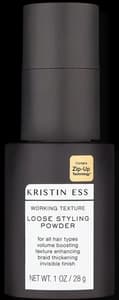


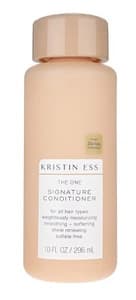


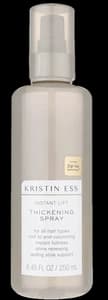
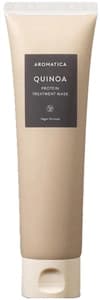

Pregnancy-safe products containing cetearamidoethyldiethonium succinoyl hydrolyzed pea protein
Kristin Ess
Kristin Ess Extra Gentle Conditioner
99/100
Kristin Ess
Kristin Ess Working Texture Loose Styling Powder For Buildable Volume + Texture
99/100
Kristin Ess
Kristin Ess Extra Gentle Shampoo
98/100
Kristin Ess
Kristin Ess Soft Shine Beach Wave Spray
98/100
Kristin Ess
Kristin Ess The One Signature Conditioner
98/100
Kristin Ess
Kristin Ess Purple Conditioner
98/100
Kristin Ess
Kristin Ess Hair The One Signature Shampoo
98/100
Kristen Ess
Kristen Ess Thickening Spray
98/100
Aromatica
Aromatica Quinoa Protein Treatment Mask
98/100
Aromatica
Aromatica Scalp Rosemary 3-In-1 Treatment
97/100
Related ingredients
Weiterlesen
Sources & references
Authoritative references used to score this ingredient.
Frequently asked questions
- Ist cetearamidoethyldiethonium succinoyl hydrolyzed pea protein in der Schwangerschaft sicher?
- No harmonised CLP classification (ECHA Annex VI), no SCCS or CIR safety assessment found for this exact ingredient, and no peer‑reviewed reproductive toxicity data located. By default and per CIR/SCCS precedence, lack of reproductive hazard information and absence of harmonised flags support h=0. (Sources queried: ECHA Annex VI, SCCS/CIR, PubMed, CosIng, PubChem.)
- Ist cetearamidoethyldiethonium succinoyl hydrolyzed pea protein während des Stillens sicher?
- No data indicating lactation/transfer or reproductive endocrine activity. No regulatory or peer‑reviewed evidence of breastmilk transfer or nursing infant toxicity for this ingredient; default assessment is no evidence of hazard. (Sources queried: PubMed, CIR, SCCS, ECHA, CosIng.)
- Ist cetearamidoethyldiethonium succinoyl hydrolyzed pea protein sicher für Babyhaut?
- No specific infant toxicity data. Dermal absorption from large proteinaceous/quaternary adducts is expected to be low in adults, so adult exposure scored e=0; however, infant skin has higher permeability and higher surface‑area‑to‑weight ratio so exposure score increased by +1 for 0–3 yr. No evidence was found to raise hazard (h) or mechanistic (m) scores. (Sources queried: CosIng, PubChem, ECHA registration data, PubMed.)
- Wie bewertet VeriMom cetearamidoethyldiethonium succinoyl hydrolyzed pea protein?
- VeriMom bewertet cetearamidoethyldiethonium succinoyl hydrolyzed pea protein mit 100/100 (keine bekannten Risiken) basierend auf EU CosIng, ECHA-Klassifizierungen und PubMed-Studien.
- Was sind schwangerschaftssichere Alternativen zu cetearamidoethyldiethonium succinoyl hydrolyzed pea protein?
- Siehe unsere kuratierte Liste der schwangerschaftssicheren Alternativen zu cetearamidoethyldiethonium succinoyl hydrolyzed pea protein basierend auf ähnlicher Funktion.
Prüfe jede Zutatenliste in 2 Sekunden
Lade VeriMom kostenlos — scanne jedes Produkt und sieh sofort die Schwangerschafts-Sicherheitsbewertung.
Medizinischer Haftungsausschluss
Diese Informationen dienen ausschließlich Bildungszwecken und stellen keine medizinische Beratung dar. Sicherheitsbewertungen basieren auf öffentlich zugänglichen Daten und spiegeln möglicherweise nicht alle Risiken wider. Konsultieren Sie immer Ihren Arzt, bevor Sie ein Produkt während der Schwangerschaft oder Stillzeit verwenden.