 VeriMom
Ist adenosine triphosphate für Babyhaut sicher?
Hazard and mechanism: no infant‑specific reproductive/teratogenic data found for ATP, so h and m remain 0. Exposure: ATP is highly polar and not expected to penetrate intact adult skin (negligible dermal systemic exposure), but infant skin has a less mature barrier and higher surface‑area‑to‑weight — so exposure score increased by +1 for 0–3 yr. Topical animal studies show local skin effects/benefit but no systemic reproductive findings. (CIR; PubMed skin studies; EWG).
Also relevant: pregnancy safety
Want to know if adenosine triphosphate is also safe during pregnancy?
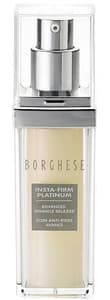
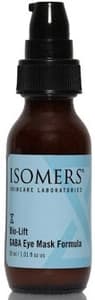
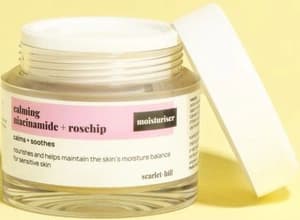
Is adenosine triphosphate safe during pregnancy? →Gentle products containing adenosine triphosphate




Frequently asked questions
- Ist adenosine triphosphate für Babyhaut sicher?
- Hazard and mechanism: no infant‑specific reproductive/teratogenic data found for ATP, so h and m remain 0. Exposure: ATP is highly polar and not expected to penetrate intact adult skin (negligible dermal systemic exposure), but infant skin has a less mature barrier and higher surface‑area‑to‑weight — so exposure score increased by +1 for 0–3 yr. Topical animal studies show local skin effects/benefit but no systemic reproductive findings. (CIR; PubMed skin studies; EWG).
- Ist adenosine triphosphate für Neugeborene sicher?
- Hazard and mechanism: no infant‑specific reproductive/teratogenic data found for ATP, so h and m remain 0. Exposure: ATP is highly polar and not expected to penetrate intact adult skin (negligible dermal systemic exposure), but infant skin has a less mature barrier and higher surface‑area‑to‑weight — so exposure score increased by +1 for 0–3 yr. Topical animal studies show local skin effects/benefit but no systemic reproductive findings. (CIR; PubMed skin studies; EWG).
- Kann ich adenosine triphosphate bei einem Baby unter 6 Monaten anwenden?
- Wir haben keine babyhautspezifischen Daten für adenosine triphosphate. Bevorzuge Inhaltsstoffe ohne bekannte Risiken.
- Was sind sanftere Alternativen zu adenosine triphosphate für Babys?
- Siehe unsere kuratierte Liste der schwangerschaftssicheren Alternativen zu adenosine triphosphate basierend auf ähnlicher Funktion.
- Wie bewertet VeriMom adenosine triphosphate für Babyhaut?
- VeriMom bewertet adenosine triphosphate mit 93/100 (keine bekannten Risiken) basierend auf EU CosIng, ECHA-Klassifizierungen und PubMed-Studien.
Prüfe jede Zutatenliste in 2 Sekunden
Lade VeriMom kostenlos — scanne jedes Produkt und sieh sofort die Schwangerschafts-Sicherheitsbewertung.
Medizinischer Haftungsausschluss
Diese Informationen dienen ausschließlich Bildungszwecken und stellen keine medizinische Beratung dar. Sicherheitsbewertungen basieren auf öffentlich zugänglichen Daten und spiegeln möglicherweise nicht alle Risiken wider. Konsultieren Sie immer Ihren Arzt, bevor Sie ein Produkt während der Schwangerschaft oder Stillzeit verwenden.