 VeriMom
HIGH RISK
Sollte ich zinc ethylhexanoate in der Schwangerschaft meiden? | VeriMom
Reviewed by VeriMom Editorial Team · Last reviewed
ECHA regulatory hazard statements
- •H361
What to use instead
Pregnancy-safe ingredients that serve a similar function:
Pregnancy-safe products to use instead
Products built around the safer ingredients above, scored "no known risks" or "low risk".
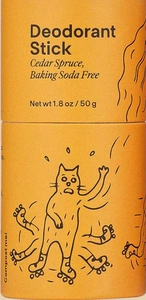
Mew mew tweet
100Mew mew tweet Cedar Spruce Baking Soda Free
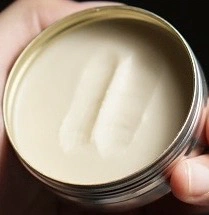
Avero
100Avero Solid Deodorant
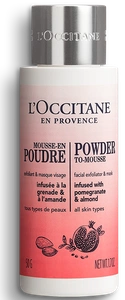
L'Occitane
100L´Occitane Powder To-mousse Facial Exfoliator
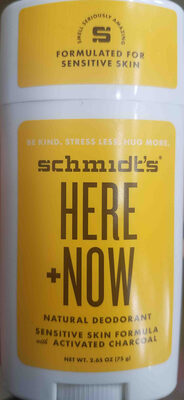
Unknown
100schmidts here now
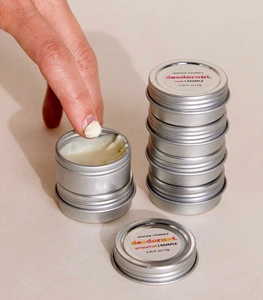
Sustain Yourself
100Sustain Yourself Natural Deodorant
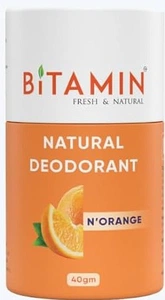
Bitamin
100Bitamin Natural Deodorant N'orange
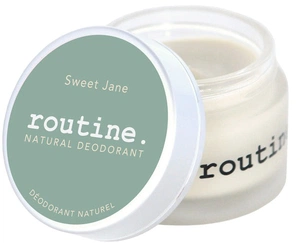
Routine
99Routine Sweet Jane Deodorant Jar
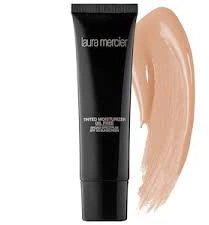
Laura Mercier
99Laura Mercier Tinted Moisturizer Broad Spectrum Spf 20 - Oil Free
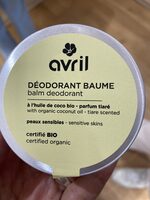
Avril
99Déodorant baume
Salt of the Earth
99Salt of the Earth Unscented Natural Refillable Roll-on Deodorant
Sources & references
Authoritative references used to score this ingredient.
Schwangerschaftssichere Alternativen zu zinc ethylhexanoate | VeriMom
Inhaltsstoffe — Inhaltsstoffe
Weiterlesen
FAQ
- Ist zinc ethylhexanoate in der Schwangerschaft sicher?
- ECHA/CLH lists 2‑ethylhexanoic acid and its salts with a harmonised classification for reproductive toxicity (Repr.1B, H360D), which implicates metal salts including zinc 2‑ethylhexanoate by read‑across; registrants/SDSs for zinc bis(2‑ethylhexanoate) report H361d/H361. This gives a confirmed hazard for developmental/reproductive toxicity (h=3) with demonstrated mechanism evidence from animal/read‑across toxicology (m=2). Dermal exposure from typical topical cosmetic use is likely low but measurable (e=1) given absence of cosmetic dermal absorption data.
- Ist zinc ethylhexanoate während des Stillens sicher?
- Harmonised classification for parent acid and registrant read‑across to zinc salt indicate developmental/reproductive hazard; mechanism evidence is from animal/read‑across data. Breastmilk transfer is not directly reported for this salt (data gap), so exposure for breastfeeding is assumed similar to pregnancy (low but measurable dermal exposure from topical use).
- Ist zinc ethylhexanoate sicher für Babyhaut?
- Hazard (h=3) is inherited from the harmonised classification of the parent acid/salts. Mechanistic/read‑across evidence applies (m=2). Exposure score increased by +1 (e=2) for infant skin because immature barrier and higher surface‑area:weight raise potential systemic uptake if present in topical products; there are no infant‑specific dermal absorption or clinical data for this ingredient.
- Wie bewertet VeriMom zinc ethylhexanoate?
- VeriMom bewertet zinc ethylhexanoate mit 20/100 (hohes Risiko) basierend auf EU CosIng, ECHA-Klassifizierungen und PubMed-Studien.
- Was sind schwangerschaftssichere Alternativen zu zinc ethylhexanoate?
- Siehe unsere kuratierte Liste der schwangerschaftssicheren Alternativen zu zinc ethylhexanoate basierend auf ähnlicher Funktion.
Prüfe jede Zutatenliste in 2 Sekunden
Lade VeriMom kostenlos — scanne jedes Produkt und sieh sofort die Schwangerschafts-Sicherheitsbewertung.
Medizinischer Haftungsausschluss
Diese Informationen dienen ausschließlich Bildungszwecken und stellen keine medizinische Beratung dar. Sicherheitsbewertungen basieren auf öffentlich zugänglichen Daten und spiegeln möglicherweise nicht alle Risiken wider. Konsultieren Sie immer Ihren Arzt, bevor Sie ein Produkt während der Schwangerschaft oder Stillzeit verwenden.