 VeriMom
Sollte ich retinyl rice branate in der Schwangerschaft meiden? | VeriMom
Reviewed by VeriMom Editorial Team · Last reviewed
What to use instead
Pregnancy-safe ingredients that serve a similar function:
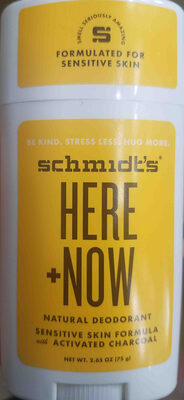
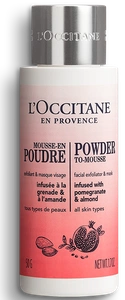
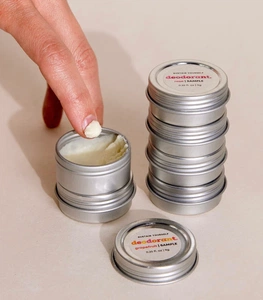
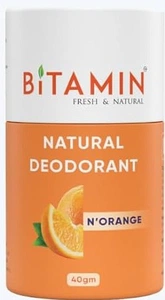
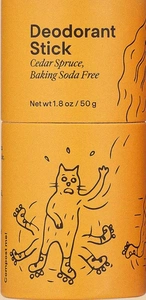
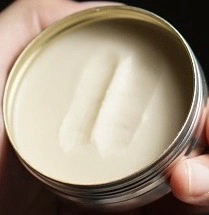
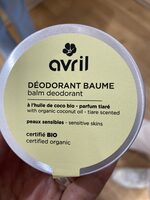
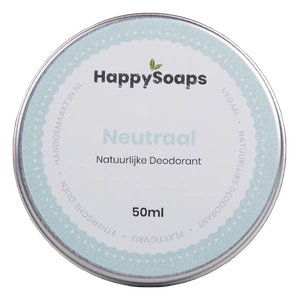
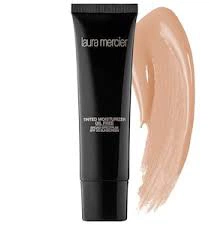
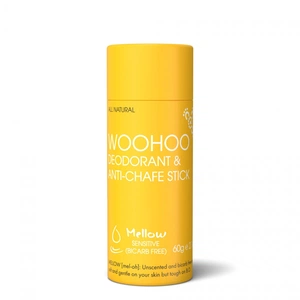
Pregnancy-safe products to use instead
Products built around the safer ingredients above, scored "no known risks" or "low risk".
Sources & references
Authoritative references used to score this ingredient.
Schwangerschaftssichere Alternativen zu retinyl rice branate | VeriMom
Inhaltsstoffe — Inhaltsstoffe
Weiterlesen
FAQ
- Ist retinyl rice branate in der Schwangerschaft sicher?
- No regulatory ban or harmonised CMR classification was found for “retinyl rice branate” specifically, but it is a retinyl ester (class-based concern). The SCCS/European regulatory activity has restricted certain retinyl esters (retinol, retinyl acetate, retinyl palmitate) in cosmetics (Annex III) because of vitamin A systemic exposure concerns, supporting a class‑based caution. Skin esterases are demonstrated to hydrolyse retinyl esters to retinol (human skin study: ~44% of absorbed retinyl palmitate hydrolysed), so a demonstrated conversion mechanism to retinol/retinoic acid exists. Topical absorption of retinyl esters is low-to-measurable (hence exposure scored 1). Sources: SCCS opinion and Commission regulation; human skin esterase study (PubMed).
- Ist retinyl rice branate während des Stillens sicher?
- Same rationale as pregnancy: no specific harmonised classification or EU ban for this named ingredient, but it is a retinyl ester that can be hydrolysed to retinol; systemic vitamin A exposure is the relevant concern for lactation. Topical absorption is low but measurable, so maternal transfer into breastmilk is possible in principle but not specifically documented for this compound.
- Ist retinyl rice branate sicher für Babyhaut?
- Baby skin has higher risk from topical absorptive exposure. Per your instructions, exposure (e) is increased by +1 for infants when measurable absorption exists; because retinyl esters are hydrolysed and are absorbed to a measurable extent, infant exposure is scored higher. Hazard (h) remains class‑based (retinyl ester) rather than confirmed harmonised CMR, so h=1; mechanism remains demonstrated hydrolysis to retinol/retinoic pathways.
- Wie bewertet VeriMom retinyl rice branate?
- VeriMom bewertet retinyl rice branate mit 13/100 (hohes Risiko) basierend auf EU CosIng, ECHA-Klassifizierungen und PubMed-Studien.
- Was sind schwangerschaftssichere Alternativen zu retinyl rice branate?
- Siehe unsere kuratierte Liste der schwangerschaftssicheren Alternativen zu retinyl rice branate basierend auf ähnlicher Funktion.
Prüfe deine eigene Hautpflege
Füge die Inhaltsstoffliste eines beliebigen Produkts in unseren kostenlosen Checker ein und sieh jeden Inhaltsstoff anhand von EU-Regulierungsdaten und begutachteter Forschung bewertet.
Den Inhaltsstoff-Checker für die Schwangerschaft öffnenPrüfe jede Zutatenliste in 2 Sekunden
Lade VeriMom kostenlos — scanne jedes Produkt und sieh sofort die Schwangerschafts-Sicherheitsbewertung.
Medizinischer Haftungsausschluss
Diese Informationen dienen ausschließlich Bildungszwecken und stellen keine medizinische Beratung dar. Sicherheitsbewertungen basieren auf öffentlich zugänglichen Daten und spiegeln möglicherweise nicht alle Risiken wider. Konsultieren Sie immer Ihren Arzt, bevor Sie ein Produkt während der Schwangerschaft oder Stillzeit verwenden.