 VeriMom
Sollte ich propylene glycol stearate in der Schwangerschaft meiden? | VeriMom
Reviewed by VeriMom Editorial Team · Last reviewed
ECHA regulatory hazard statements
- •H361
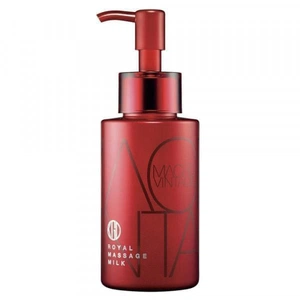
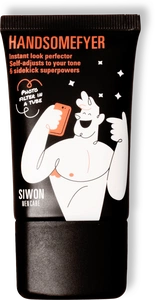
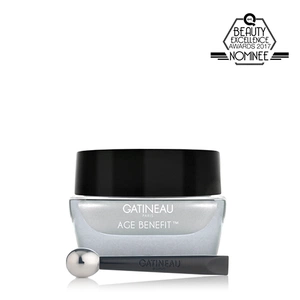
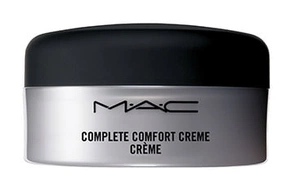
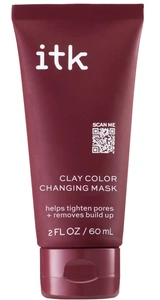
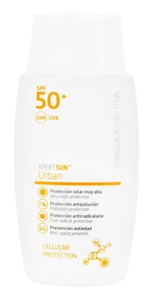
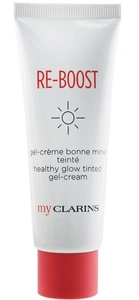
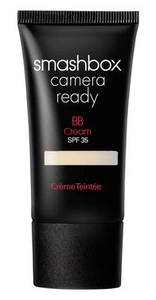
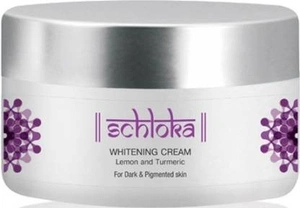
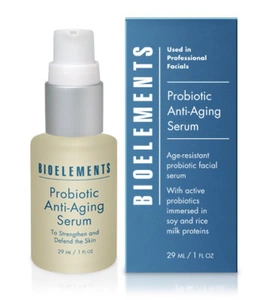
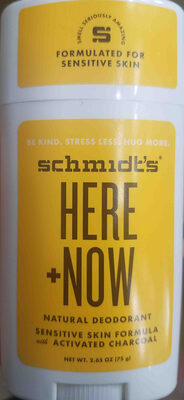
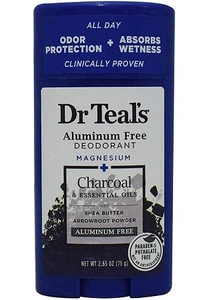
Products containing propylene glycol stearate — check your shelf
These products list propylene glycol stearate on their INCI. If one is in your routine, consider swapping it during pregnancy.
What to use instead
Pregnancy-safe ingredients that serve a similar function:
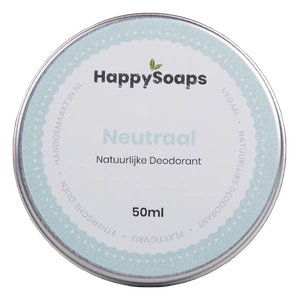
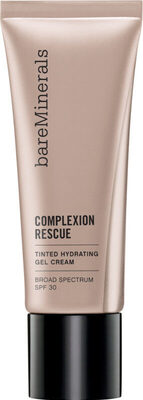
Pregnancy-safe products to use instead
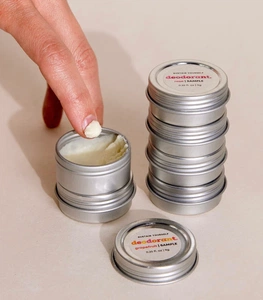
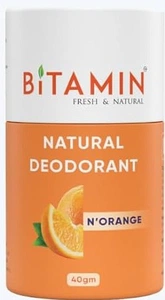
Products built around the safer ingredients above, scored "no known risks" or "low risk".
Sources & references
Authoritative references used to score this ingredient.
Schwangerschaftssichere Alternativen zu propylene glycol stearate | VeriMom
Inhaltsstoffe — Inhaltsstoffe
Weiterlesen
FAQ
- Ist propylene glycol stearate in der Schwangerschaft sicher?
- No harmonised CLP reproductive classification (no H360/H361 harmonised listing found on ECHA), and Cosmetic Ingredient Review (CIR) concluded propylene glycol esters (including propylene glycol stearate/monostearate) are safe as used in cosmetics; the substance is a large, lipophilic ester with low dermal absorption though it can hydrolyze to propylene glycol and fatty acids (CIR, ECHA dossiers). Therefore default hazard = 0; mechanism = 0 (no known reproductive mechanism); exposure = 1 (low but measurable dermal exposure). Sources: CIR safety assessment of propylene glycol esters; ECHA registration/registration dossier statements; COSING/COSMETICS ingredient entries.
- Ist propylene glycol stearate während des Stillens sicher?
- Same rationale as pregnancy: no evidence of reproductive/developmental toxicity, no harmonised CLP classification, and CIR concluded safety in cosmetic use. Dermal exposure from topical products is low but measurable; transfer into breastmilk is not reported for this ester specifically. Hydrolysis to propylene glycol (well-characterized) is possible but does not imply breastfeeding-specific hazard at cosmetic exposures.
- Ist propylene glycol stearate sicher für Babyhaut?
- Hazard and mechanism unchanged (no evidence of reproductive or developmental toxicity for the ingredient itself). Exposure score increased by +1 for infants because immature skin barrier and higher surface-area-to-weight increase systemic uptake relative to adults; the parent ester is relatively large and not highly dermally permeable, but measurable absorption and potential hydrolysis to propylene glycol justify a baby exposure score of 2. CIR and other safety reviews do not identify infant‑specific hazards but data are limited.
- Wie bewertet VeriMom propylene glycol stearate?
- VeriMom bewertet propylene glycol stearate mit 33/100 (hohes Risiko) basierend auf EU CosIng, ECHA-Klassifizierungen und PubMed-Studien.
- Was sind schwangerschaftssichere Alternativen zu propylene glycol stearate?
- Siehe unsere kuratierte Liste der schwangerschaftssicheren Alternativen zu propylene glycol stearate basierend auf ähnlicher Funktion.
Prüfe jede Zutatenliste in 2 Sekunden
Lade VeriMom kostenlos — scanne jedes Produkt und sieh sofort die Schwangerschafts-Sicherheitsbewertung.
Medizinischer Haftungsausschluss
Diese Informationen dienen ausschließlich Bildungszwecken und stellen keine medizinische Beratung dar. Sicherheitsbewertungen basieren auf öffentlich zugänglichen Daten und spiegeln möglicherweise nicht alle Risiken wider. Konsultieren Sie immer Ihren Arzt, bevor Sie ein Produkt während der Schwangerschaft oder Stillzeit verwenden.