 VeriMom
Sollte ich propylene glycol behenate in der Schwangerschaft meiden? | VeriMom
Reviewed by VeriMom Editorial Team · Last reviewed
ECHA regulatory hazard statements
- •H361
What to use instead
Pregnancy-safe ingredients that serve a similar function:
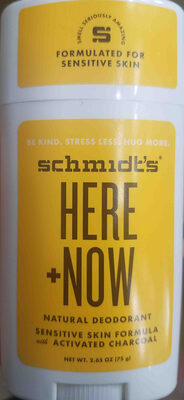
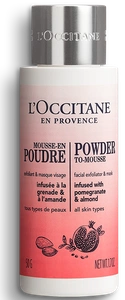
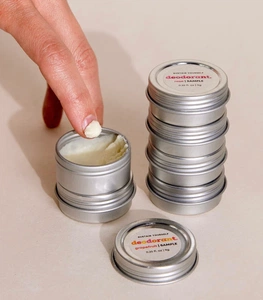
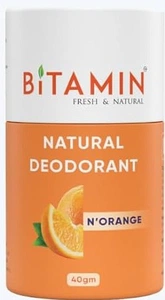
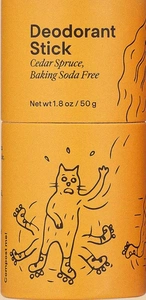
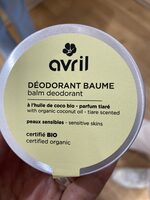
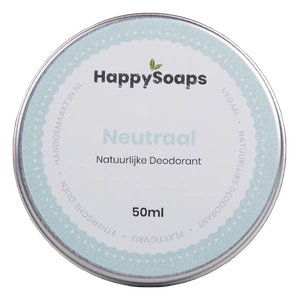
Pregnancy-safe products to use instead
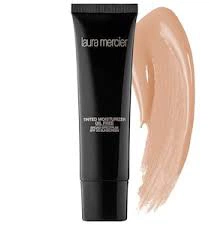
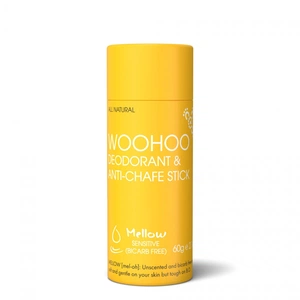
Products built around the safer ingredients above, scored "no known risks" or "low risk".
Sources & references
Authoritative references used to score this ingredient.
Schwangerschaftssichere Alternativen zu propylene glycol behenate | VeriMom
Inhaltsstoffe — Inhaltsstoffe
Weiterlesen
FAQ
- Ist propylene glycol behenate in der Schwangerschaft sicher?
- No harmonised EU CMR classification (Annex VI) or EU Annex II/III restriction was identified for propylene glycol behenate; the Cosmetic Ingredient Review (CIR) and related safety assessments for glyceryl/propylene glycol esters describe these long‑chain monoesters as ‘safe as used’ in cosmetics and report no reproductive/developmental hazard data. Topical cosmetic use therefore has low but measurable exposure. (CIR safety assessment; CIR Quick Reference Table; ingredient databases). ([cir-safety.org](https://cir-safety.org/sites/default/files/monoglyceryl%20monoesters.pdf?utm_source=openai))
- Ist propylene glycol behenate während des Stillens sicher?
- No data found showing reproductive/developmental or lactation transfer hazards for this monoester. Given low dermal absorption expected for long‑chain fatty acid esters and the CIR conclusion of safe use in cosmetics, systemic exposure in breastfeeding people is expected to be low but not zero. No evidence of a mechanism to target breast milk. ([cir-safety.org](https://cir-safety.org/sites/default/files/monoglyceryl%20monoesters.pdf?utm_source=openai))
- Ist propylene glycol behenate sicher für Babyhaut?
- No infant‑specific reproductive/toxicity studies were located. The ingredient is a long‑chain fatty acid monoester (low water solubility, high lipophilicity) and is used as an emollient/conditioning agent; dermal absorption is expected to be low in adults but infant skin has higher permeability and surface‑area‑to‑weight, so exposure score is increased by +1 for 0–3 year skin. No evidence of developmental/teratogenic activity for the compound itself in PubMed/CIR materials. ([cir-safety.org](https://cir-safety.org/sites/default/files/monoglyceryl%20monoesters.pdf?utm_source=openai))
- Wie bewertet VeriMom propylene glycol behenate?
- VeriMom bewertet propylene glycol behenate mit 33/100 (hohes Risiko) basierend auf EU CosIng, ECHA-Klassifizierungen und PubMed-Studien.
- Was sind schwangerschaftssichere Alternativen zu propylene glycol behenate?
- Siehe unsere kuratierte Liste der schwangerschaftssicheren Alternativen zu propylene glycol behenate basierend auf ähnlicher Funktion.
Prüfe deine eigene Hautpflege
Füge die Inhaltsstoffliste eines beliebigen Produkts in unseren kostenlosen Checker ein und sieh jeden Inhaltsstoff anhand von EU-Regulierungsdaten und begutachteter Forschung bewertet.
Den Inhaltsstoff-Checker für die Schwangerschaft öffnenPrüfe jede Zutatenliste in 2 Sekunden
Lade VeriMom kostenlos — scanne jedes Produkt und sieh sofort die Schwangerschafts-Sicherheitsbewertung.
Medizinischer Haftungsausschluss
Diese Informationen dienen ausschließlich Bildungszwecken und stellen keine medizinische Beratung dar. Sicherheitsbewertungen basieren auf öffentlich zugänglichen Daten und spiegeln möglicherweise nicht alle Risiken wider. Konsultieren Sie immer Ihren Arzt, bevor Sie ein Produkt während der Schwangerschaft oder Stillzeit verwenden.