 VeriMom
HIGH RISK
Sollte ich oxyquinoline in der Schwangerschaft meiden? | VeriMom
Reviewed by VeriMom Editorial Team · Last reviewed
ECHA regulatory hazard statements
- •H360D
What to use instead
Pregnancy-safe ingredients that serve a similar function:
Pregnancy-safe products to use instead
Products built around the safer ingredients above, scored "no known risks" or "low risk".
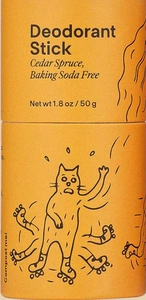
Mew mew tweet
100Mew mew tweet Cedar Spruce Baking Soda Free
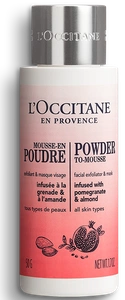
L'Occitane
100L´Occitane Powder To-mousse Facial Exfoliator
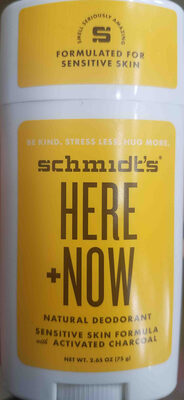
Unknown
100schmidts here now
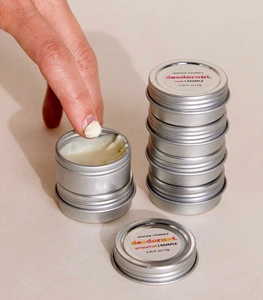
Sustain Yourself
100Sustain Yourself Natural Deodorant
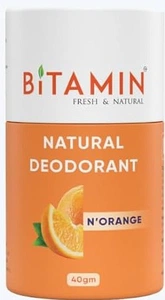
Bitamin
100Bitamin Natural Deodorant N'orange
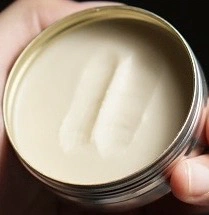
Avero
100Avero Solid Deodorant
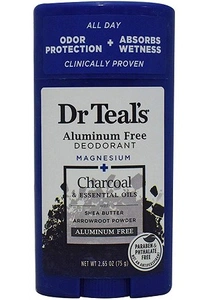
Dr Teals's
99Dr Teals's Aluminum Free Deodorant Charcoal
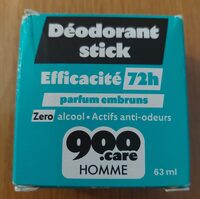
900care
99Déodorant stick parfum embruns
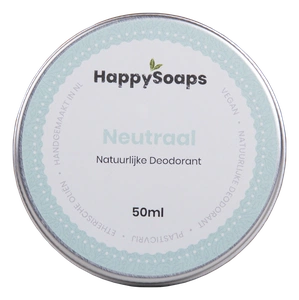
HappySoaps
99Happysoaps Neutraal
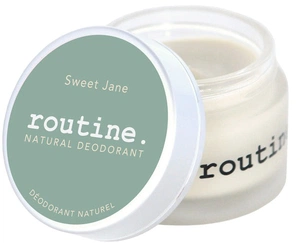
Routine
99Routine Sweet Jane Deodorant Jar
Sources & references
Authoritative references used to score this ingredient.
Schwangerschaftssichere Alternativen zu oxyquinoline | VeriMom
Inhaltsstoffe — Inhaltsstoffe
Weiterlesen
FAQ
- Ist oxyquinoline in der Schwangerschaft sicher?
- Quinolin-8-ol (oxyquinoline, CAS 148-24-3) has an EU harmonised classification as a reproductive toxicant (Repr. 1B — H360D: “may damage the unborn child”), which by your scoring rules requires h=3. Mechanistic data linking a specific reproductive pathway are limited (mutagenicity was reported in some assays but no well‑characterised developmental mechanism), so m is scored 1 (theoretical/limited). For typical topical cosmetic use (used at ≤1% in formulations per CIR), dermal uptake is plausible but not high, so exposure (e) for pregnancy is scored 1 (low but measurable). (Sources: ECHA/EUR‑Lex harmonised classification; CIR safety assessment.).
- Ist oxyquinoline während des Stillens sicher?
- Because the substance has a harmonised Repr.1B/H360D classification (systemic reproductive hazard), the hazard to nursing is scored h=3 under your rules. There is no clear, well‑established mechanism specific to lactational transfer (m=1). Dermal cosmetic use gives low but potentially measurable systemic exposure (e=1), so transfer into milk cannot be excluded at trace levels; no robust human milk data were found in the reviewed sources.
- Ist oxyquinoline sicher für Babyhaut?
- Do not increase hazard or mechanism absent infant‑specific data, so h=3 and m=1 as above. Because infant skin has higher permeability and surface‑area‑to‑weight, exposure score is increased by +1 from adult (adult e=1 → infant e=2), meaning moderate concern for systemic uptake from topical application to infant skin. No infant‑specific toxicokinetic or outcome studies were identified.
- Wie bewertet VeriMom oxyquinoline?
- VeriMom bewertet oxyquinoline mit 27/100 (hohes Risiko) basierend auf EU CosIng, ECHA-Klassifizierungen und PubMed-Studien.
- Was sind schwangerschaftssichere Alternativen zu oxyquinoline?
- Siehe unsere kuratierte Liste der schwangerschaftssicheren Alternativen zu oxyquinoline basierend auf ähnlicher Funktion.
Prüfe jede Zutatenliste in 2 Sekunden
Lade VeriMom kostenlos — scanne jedes Produkt und sieh sofort die Schwangerschafts-Sicherheitsbewertung.
Medizinischer Haftungsausschluss
Diese Informationen dienen ausschließlich Bildungszwecken und stellen keine medizinische Beratung dar. Sicherheitsbewertungen basieren auf öffentlich zugänglichen Daten und spiegeln möglicherweise nicht alle Risiken wider. Konsultieren Sie immer Ihren Arzt, bevor Sie ein Produkt während der Schwangerschaft oder Stillzeit verwenden.